


Listen to the article
In a dramatic turn of events surrounding the disappearance of Nancy Guthrie, her daughter Savannah made an emotional plea to her mother’s potential kidnapper, highlighting a new challenge in abduction cases – the threat of AI-generated deepfakes complicating proof-of-life verification.
“We live in a world where voices and images are easily manipulated,” said Savannah Guthrie in her public appeal. The TODAY show anchor appeared in a video posted to Instagram alongside her siblings, her voice breaking as she directly addressed whoever might be holding her 84-year-old mother.
The case represents a troubling evolution in kidnapping investigations. Before the proliferation of artificial intelligence tools, proof that a kidnapped person remained alive might simply involve sending a photograph. That straightforward verification has now been compromised by technology.
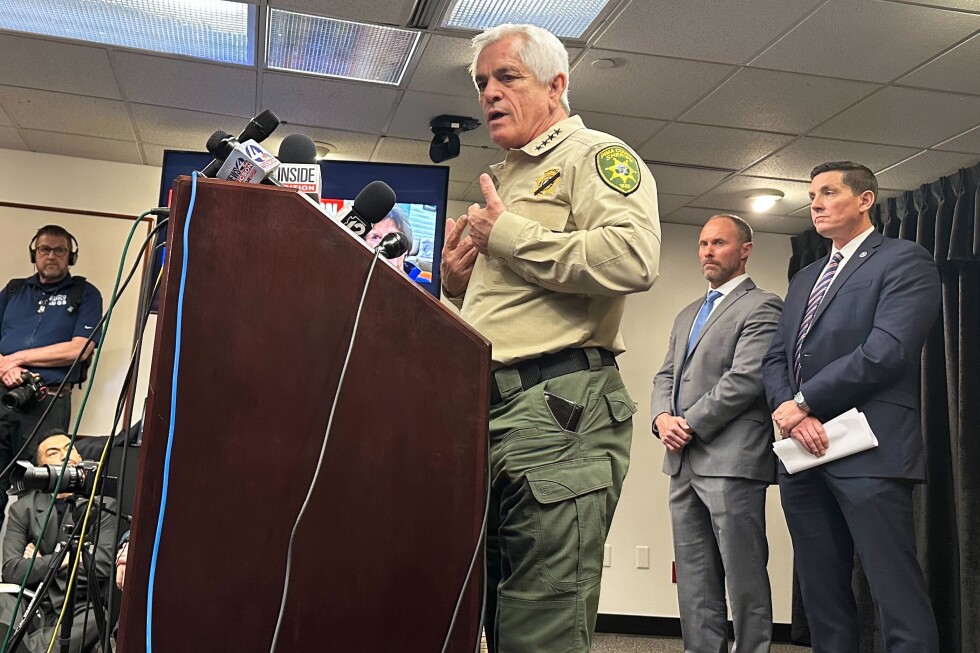
“With AI these days you can make videos that appear to be very real. So we can’t just take a video and trust that that’s proof of life because of advancements in AI,” explained Heith Janke, FBI chief in Phoenix, during a Thursday news conference.
Nancy Guthrie vanished from her home in the Tucson area last weekend, triggering an intense investigation. Law enforcement officials believe she’s “still out there” but have yet to identify suspects in her disappearance. The case has already attracted opportunistic scammers – authorities charged a California man Thursday with sending text messages to the Guthrie family demanding Bitcoin after following news coverage of the case. Officials indicated this individual is not suspected of involvement in the actual disappearance.
At least three news organizations have reported receiving purported ransom notes, which they promptly handed over to investigators. Officials say they are taking these communications seriously, though they haven’t confirmed if any included potential deepfake images of the missing woman.
The FBI issued a warning last December about the increasing sophistication of fake kidnapping schemes, noting that criminals can now provide what appears to be authentic photos or videos of purported victims alongside demands for payment. This technological advancement compounds the already challenging landscape for investigators.
Katherine Schweit, a former FBI agent, explained that publicly shared photos of Nancy Guthrie could potentially be used by bad actors to create convincing deepfakes. She noted how ransom demands have evolved throughout criminal history – from the handwritten note left on Charles Lindbergh’s windowsill demanding $50,000 for his kidnapped son a century ago, to today’s digital communications that can include sophisticated forgeries.
“Investigative techniques accumulate over time,” Schweit said. “There’s never less to do as years go by; there’s more to do. Digital and forensic work is a perfect example. It just adds to the other shoe-leather work we would have done in years past… Nothing can be dismissed. Everything has to be run to ground.”
The decision for family members to make public appeals in kidnapping cases is often a strategic one. Schweit explained that such videos serve a tactical purpose: “The goal is to have the family or law enforcement speak directly to the victim and the perpetrator, and ask the perpetrator: What do you need? How can we solve this? Let’s move this forward.”
FBI Chief Janke suggested that while the bureau may have advised Guthrie on her approach, the final decision rested with her family. “We have an expertise when it comes to kidnappings, and when families want advice, consultation, expertise, we will provide that,” he said. “But the ultimate decisions – on what they say and how they put that out – rests with the family itself.”
As the search for Nancy Guthrie continues, her case illustrates the increasingly complex intersection of technology and crime. Investigators must now navigate not only traditional challenges in abduction cases but also the murky waters of digital deception, where seeing can no longer reliably translate to believing.
Fact Checker
Verify the accuracy of this article using The Disinformation Commission analysis and real-time sources.

14 Comments
This is a concerning case that highlights the challenges posed by deepfakes and AI in verifying the identity and wellbeing of kidnapped individuals. The need for robust proof-of-life protocols is crucial, especially as technology continues to advance.
Savannah Guthrie’s emotional plea underscores the urgency and complexity of this situation. I hope the authorities are able to use every tool at their disposal to locate Nancy Guthrie and verify her safety.
The threat of deepfakes in kidnapping cases is a troubling development that highlights the evolving challenges faced by law enforcement. Robust protocols and technological solutions will be essential to verifying the authenticity of proof-of-life evidence.
Savannah Guthrie’s appeal is a poignant reminder of the profound impact these crimes have on families. I sincerely hope the authorities are able to locate Nancy Guthrie and ensure her safe return.
This case represents a troubling new frontier in kidnapping investigations, where even visual and audio proof of life can be compromised by AI-generated deepfakes. Verifying the authenticity of any evidence will be crucial to ensuring the victim’s safety.
Savannah Guthrie’s emotional plea is a heartbreaking reminder of the human impact of these crimes. I hope the authorities are able to leverage every resource at their disposal to bring Nancy Guthrie home safely.
This case illustrates the need for robust protocols and technological solutions to combat the threat of deepfakes in kidnapping investigations. Verifying the authenticity of any proof of life will be crucial in ensuring the victim’s safety.
Savannah Guthrie’s emotional plea is a heartbreaking reminder of the human toll of these crimes. I hope the authorities are able to leverage every resource at their disposal to locate Nancy Guthrie and bring her home safely.
The threat of AI-generated deepfakes is a troubling development in kidnapping cases. Verifying the authenticity of any proof of life will be critical to ensuring the victim’s safety and securing their release.
This case highlights the need for law enforcement and technology companies to work together to stay ahead of the evolving tactics used by criminals. Innovative solutions will be key to protecting vulnerable individuals.
The case of Nancy Guthrie’s disappearance is a stark reminder of the evolving challenges faced by law enforcement in the digital age. Savannah Guthrie’s appeal underscores the urgency of developing effective countermeasures against deepfakes and other AI-enabled threats.
I hope the authorities are able to leverage the latest forensic and technological tools to verify Nancy Guthrie’s wellbeing and safely return her to her family. This is a concerning situation that deserves the full attention of law enforcement.
The challenges posed by deepfakes in verifying the identity and wellbeing of kidnapped individuals are deeply concerning. This case underscores the urgent need for law enforcement and technology companies to collaborate on solutions to this evolving threat.
Savannah Guthrie’s appeal highlights the emotional toll these crimes take on families. I hope the authorities are able to utilize the latest forensic and technological tools to locate Nancy Guthrie and ensure her safe return.