


Listen to the article
Russia Voices Support for Cuba Amid U.S. Oil Embargo and Severe Fuel Shortages
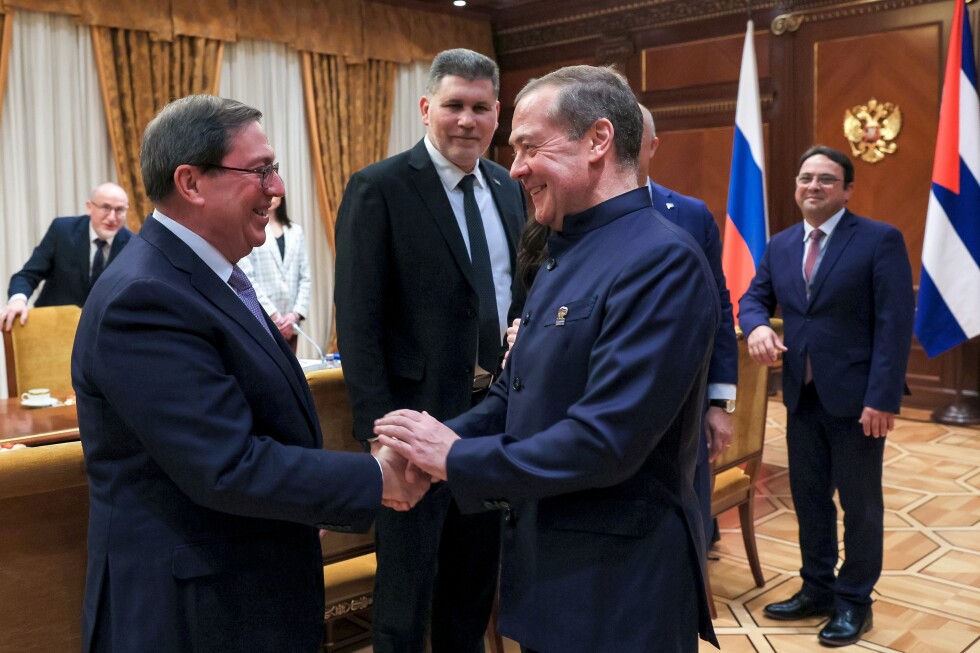
Russian officials welcomed Cuban Foreign Minister Bruno Rodriguez to Moscow on Wednesday, expressing solidarity with the island nation as it grapples with widespread blackouts and critical fuel shortages exacerbated by a U.S. oil embargo.
During high-level talks, Russian Foreign Minister Sergey Lavrov called on the United States to abandon plans for a naval blockade of Cuba, which has struggled to import essential fuel for power plants and refineries since President Donald Trump threatened punitive tariffs against any nation selling oil to the Caribbean country.
“Together with most members of the global community, we are calling on the U.S. to show common sense, take a responsible approach and refrain from its plans of sea blockade,” Lavrov stated during his meeting with Rodriguez. He pledged that Moscow would “continue supporting Cuba and its people in protecting the country’s sovereignty and security.”
The Cuban diplomat later met with Russian President Vladimir Putin, who reinforced Russia’s historical alliance with Cuba. “We don’t accept anything of the sort,” Putin said regarding U.S. restrictions on the island. “We have always been on Cuba’s side in its struggle for independence, for the right to chart its own path of development, and we have always supported the Cuban people.”
Kremlin spokesman Dmitry Peskov emphasized Russia’s opposition to the embargo, telling reporters: “Russia, like many other countries, has consistently spoken against the blockade of the island. We have our relations with Cuba, and we value these relations very much. And we intend to further develop them — of course, during difficult times, by providing appropriate assistance to our friends.”
Cuba’s energy crisis deepened earlier this year when Venezuela, one of its primary oil suppliers, halted crude shipments to the island following the U.S. capture of then-President Nicolás Maduro in January. The Venezuelan leader was apprehended in a pre-dawn raid and flown to New York to face drug trafficking charges.
Adding to Cuba’s difficulties, Mexico also suspended oil shipments to the island in January after Trump’s tariff threats, further straining Cuba’s already fragile energy infrastructure and economy.
The fuel shortage has reached such critical levels that Cuba recently announced it could no longer provide fuel for international aircraft landing on the island, prompting Russian tourist companies to suspend package tours to the once-popular destination.
Russian news outlet Izvestia reported last week that Moscow is preparing humanitarian fuel shipments to Havana in the near future, citing the Russian embassy in Cuba. On Monday, Russian ambassador Viktor Koronelli confirmed that Moscow was exploring assistance options, though he provided no specific details about the potential aid package.
When asked whether providing fuel assistance to Cuba might undermine the recent improvement in Russia-U.S. relations, Peskov dismissed such concerns, stating, “We don’t think these issues are linked.” He referenced ongoing discussions between Moscow and Washington about revitalizing economic ties, as well as Putin’s positive assessment of Trump’s efforts to mediate an end to the conflict in Ukraine.
The high-level meetings underscore Russia’s continuing geopolitical interest in maintaining strong ties with Cuba, a long-standing ally since the Cold War era, while also signaling Moscow’s willingness to challenge U.S. policy in the region despite recent diplomatic overtures between the Kremlin and Washington.
For Cuba, securing alternative fuel supplies remains crucial as the country endures its worst energy crisis in years, with rolling blackouts lasting up to 20 hours in some areas and severe disruptions to transportation, food production, and essential services across the island nation of 11 million people.
Fact Checker
Verify the accuracy of this article using The Disinformation Commission analysis and real-time sources.

11 Comments
The potential for a naval blockade of Cuba by the U.S. is concerning. Such a move could have significant consequences for the Cuban people and the broader geopolitical landscape. I hope that cooler heads prevail and a diplomatic solution can be found.
The fuel shortages in Cuba seem to be having a significant impact on the country’s economy and infrastructure. I’m curious to see if a diplomatic solution can be reached to ease the embargo and restore essential energy supplies.
You raise a good point. Resolving the fuel crisis in Cuba will likely require difficult negotiations between the U.S. and Russia, given their competing interests in the region.
Interesting to see Russia stepping up to support Cuba amid the U.S. oil embargo. It will be important to monitor how this geopolitical dynamic plays out and the impact on global energy markets.
Absolutely, Russia’s support for Cuba could further strain relations with the U.S. and lead to escalating tensions in the region.
It’s concerning to see the U.S. considering a naval blockade of Cuba. That could further exacerbate the fuel shortages and cause significant hardship for the Cuban people. Hopefully, diplomacy can prevail over escalating tensions.
I agree, a naval blockade would likely worsen an already difficult situation for the Cuban population. Constructive dialogue between all parties is crucial to finding a sustainable solution.
The Russia-Cuba alliance is an interesting dynamic, given the historical context and current geopolitical landscape. It will be important to see how this relationship evolves and impacts the broader energy and commodities landscape.
From an energy and commodities perspective, this situation is worth closely monitoring. The potential for disruptions to Cuba’s fuel supply and the geopolitical implications could have ripple effects on global markets.
This situation highlights the delicate balance of energy security, geopolitics, and humanitarian concerns. I hope that all parties involved can find a way to address the fuel shortages in Cuba while respecting national sovereignty and avoiding further escalation.
Well said. Balancing these complex factors will require nuanced diplomacy and a willingness to compromise on all sides.