


Listen to the article
A Russian-flagged tanker carrying liquefied natural gas exploded, caught fire, and sank in the Mediterranean Sea off Libya’s coast on Tuesday, according to Libyan authorities. Russia has blamed the incident on Ukrainian sea drones, escalating tensions in a conflict that has increasingly extended beyond Ukraine’s borders.
The Libyan Maritime Authority reported “sudden explosions, followed by a massive fire” aboard the Arctic Metagaz approximately 240 kilometers (150 miles) from the coastal city of Sirte. The vessel, carrying 61,000 tons of LNG, “completely sank” in waters between Libya and Malta. All 30 crew members were rescued and transferred to another vessel heading to Benghazi.
Russia’s Transport Ministry specifically accused Ukraine of launching sea drones from the Libyan coast to target the tanker. Ukrainian officials have not yet responded to these allegations, continuing their pattern of strategic ambiguity regarding operations beyond their immediate theater of war.
The incident highlights the expanding geographical scope of the Russia-Ukraine conflict, now in its fifth year. While Ukrainian forces have previously acknowledged using naval drones to attack Russian vessels in the Black Sea, operations in the Mediterranean would represent a significant expansion of Ukraine’s maritime capabilities and tactical approach.
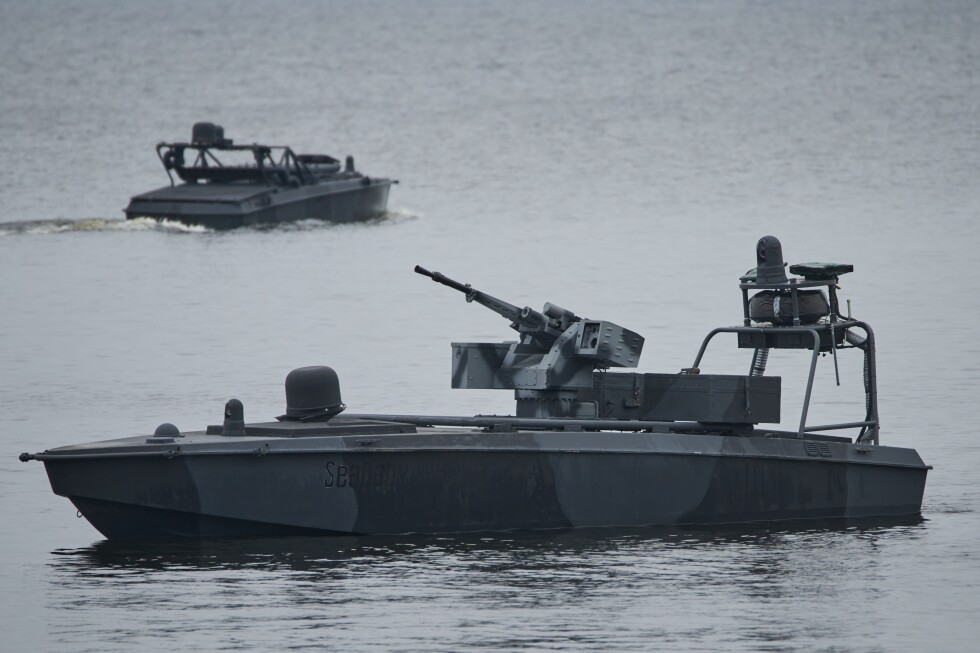
Last October, Ukraine’s state security service unveiled an upgraded sea drone called the Sea Baby, boasting an impressive range of 1,500 kilometers (930 miles) and capable of carrying warheads weighing up to 2,000 kilograms (4,400 pounds). Such technology would theoretically enable Ukraine to strike targets far beyond the immediate conflict zone.
Maritime security experts note that the Mediterranean incident represents a concerning escalation in the targeting of commercial vessels carrying potentially hazardous cargo. “An LNG tanker explosion poses significant environmental and safety risks beyond the immediate military objectives,” said Dr. Elena Korosteleva, professor of international security at Kent University, in comments to Reuters last week about maritime threats.
The Arctic Metagaz had been operating under Western sanctions as part of Russia’s “shadow fleet” – vessels attempting to circumvent international restrictions imposed on Moscow following its 2022 invasion of Ukraine. These shadow fleets have become a crucial component of Russia’s strategy to maintain energy exports despite global sanctions.
According to the Libyan Maritime Authority, the tanker departed from Murmansk in northwestern Russia on the Barents Sea and was heading toward Port Said in Egypt. Maritime tracking data from MarineTraffic showed its last reported position in the western Mediterranean off Malta’s coast before the incident occurred.
The explosion comes amid growing concerns about the vulnerability of energy infrastructure in international waters. Energy markets reacted cautiously to the news, with natural gas futures experiencing modest volatility as traders assessed whether this represented an isolated incident or the beginning of a pattern targeting Russian energy shipments.
Russia’s energy sector has remained relatively resilient despite international sanctions, finding alternative markets primarily in Asia for its oil and gas exports. However, attacks on tankers could potentially disrupt these trade flows and further isolate Russia from global energy markets.
The Mediterranean incident also raises questions about maritime security and international law. If Ukrainian forces were indeed operating from Libyan territory, this could potentially draw other nations into the conflict and create additional diplomatic complications in a region already fraught with tensions.
Neither Libya’s government nor international maritime authorities have yet indicated whether an investigation will be launched into the incident, which occurred in international waters.
Fact Checker
Verify the accuracy of this article using The Disinformation Commission analysis and real-time sources.

8 Comments
I’m curious to hear Ukraine’s response to Russia’s allegations. Given the strategic ambiguity around their naval operations, it will be interesting to see if they acknowledge or deny involvement in this incident.
This tanker explosion and sinking in the Mediterranean raises serious concerns about the escalating scope of the Russia-Ukraine conflict. It’s troubling to see tensions spilling over into international waters and impacting commercial shipping.
The use of naval drones in this conflict is a concerning new tactic. It highlights the need for robust maritime security measures to protect critical energy infrastructure and commercial shipping. Transparent investigations will be important moving forward.
Russia’s claim that Ukrainian sea drones were involved is concerning, if true. However, without more evidence, it’s hard to determine the exact cause and responsibility. This incident highlights the need for de-escalation and diplomatic resolution to the broader conflict.
Agreed. Unsubstantiated accusations could further inflame the situation. Transparent investigations by neutral parties would help shed light on what really happened.
While the details remain unclear, the expanding geographical scope of the Russia-Ukraine conflict is deeply concerning. Diplomatic efforts to de-escalate tensions and prevent further escalation should be a top priority.
The loss of this LNG tanker is an economic and environmental setback. Ensuring the safety of maritime trade and energy infrastructure should be a priority, regardless of political tensions.
This sinking is a troubling development that could have wider implications for global energy markets, especially with ongoing supply chain disruptions. Careful monitoring of the situation and its fallout will be crucial.