


Listen to the article
Waymo Secures $16 Billion in Funding, Valued at $126 Billion as Robotaxi Industry Accelerates
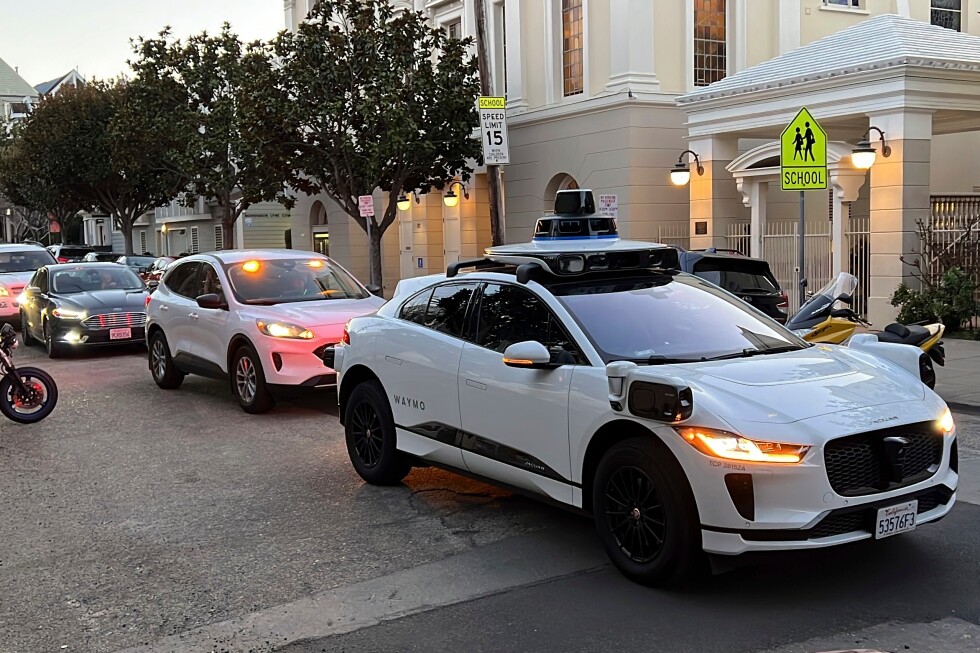
Robotaxi pioneer Waymo has raised an additional $16 billion in funding, propelling its valuation to a remarkable $126 billion as the company expands its self-driving car services across the globe. The massive capital injection comes as competition intensifies from deep-pocketed rivals backed by Tesla and Amazon.
The latest fundraising round, announced Monday, highlights growing investor confidence in the burgeoning autonomous vehicle market. Waymo has come a long way since its inception 17 years ago as a “moonshot” project within Google’s research division. Industry analysts had previously estimated Waymo’s worth at approximately $30 billion just five years ago following earlier funding efforts, making this new valuation a four-fold increase.
Alphabet Inc., Waymo’s corporate parent and Google’s owner, led the investment round, which included participation from several prominent venture capitalists and investment funds. With Alphabet currently commanding a market value of nearly $4.2 trillion, the new Waymo valuation has reignited speculation about a potential initial public offering (IPO) as part of a future spinoff from its parent company.
According to a company blog post, Waymo plans to utilize the fresh capital to significantly expand beyond the six metropolitan areas where its robotaxis currently operate in California, Arizona, Georgia, Texas, and Florida. The company has ambitious plans to enter more than 20 additional cities globally, including major international hubs like London and Tokyo.
“We are positioned to move forward with unprecedented velocity, while maintaining our industry-leading safety standards,” Waymo stated in its announcement.
The company’s current operations already demonstrate substantial scale, with its autonomous vehicles providing more than 400,000 weekly rides. This growth trajectory positions Waymo as the clear front-runner in an increasingly competitive autonomous ride-hailing market.
Despite its technological leadership, Waymo’s expansion hasn’t been without challenges. The company has faced various operational issues that have triggered community backlash and regulatory scrutiny. In San Francisco last year, a Waymo robotaxi struck and killed a neighborhood cat, creating negative publicity. During an extended power outage in the same city, numerous self-driving vehicles stalled at intersections with non-functioning traffic signals, contributing to significant traffic disruptions.
Additionally, the National Transportation Safety Board is currently investigating complaints from Austin, Texas, regarding Waymo robotaxis allegedly operating unsafely around school buses carrying children. These incidents highlight the complex regulatory and safety challenges facing autonomous vehicle companies as they scale their operations in diverse urban environments.
The autonomous ride-hailing landscape is becoming increasingly competitive. Amazon-backed Zoox is expanding its presence in San Francisco, while Tesla continues to pursue CEO Elon Musk’s ambitious vision of building a nationwide network of robotaxis. Other major automotive and technology companies are also investing heavily in autonomous driving technologies, recognizing the potential to disrupt the traditional transportation industry.
Industry analysts suggest the global robotaxi market could grow exponentially in the coming decade, potentially reaching hundreds of billions in annual revenue as autonomous vehicle technology matures and gains wider regulatory approval and consumer acceptance.
With its technological head start, extensive real-world testing experience, and now substantial financial resources, Waymo appears well-positioned to maintain its leadership in this rapidly evolving sector. However, the company will need to navigate regulatory hurdles, address safety concerns, and continue refining its technology to stay ahead of increasingly formidable competition.
The substantial investment in Waymo signals strong confidence in the future of autonomous transportation and suggests that the long-promised era of self-driving vehicles may finally be approaching commercial viability at scale.
Fact Checker
Verify the accuracy of this article using The Disinformation Commission analysis and real-time sources.

7 Comments
Interesting to see Waymo getting such a massive cash injection to accelerate their robotaxi plans. This speaks to the growing investor confidence in autonomous vehicle technology and its potential to transform urban mobility.
Waymo’s valuation skyrocketing to $126 billion is a remarkable achievement. It will be exciting to see how they leverage this capital to expand their services and solidify their position as a leader in the self-driving car market.
I wonder how this funding will impact Waymo’s ability to scale up operations and roll out their technology more broadly. The autonomous vehicle space is becoming increasingly competitive.
Waymo’s journey from a “moonshot” project at Google to a $126 billion company is a remarkable testament to the rapid progress in autonomous vehicle technology. This level of investment underscores the transformative potential of self-driving cars.
With deep-pocketed rivals like Tesla and Amazon also making big bets on self-driving technology, Waymo will need to use this capital injection strategically to maintain its competitive edge. Curious to see how the landscape evolves.
Absolutely. The battle for dominance in the robotaxi market is heating up, and this substantial funding for Waymo could be a game-changer if they can execute effectively on their expansion plans.
This news about Waymo’s funding is relevant to the mining and energy sectors, as autonomous vehicles could have significant implications for transportation and logistics in those industries. It’s an interesting development to follow.