


Listen to the article
More Fed Officials Open to Rate Hikes Amid Inflation Concerns
The number of Federal Reserve policymakers willing to consider an interest rate increase this year grew between January and March, as higher gas prices stemming from the Iran conflict threatened to worsen inflation in the coming months.
Minutes from the Fed’s March 17-18 meeting, released Wednesday, revealed that “some” of the central bank’s 19 policymakers on its rate-setting committee supported changing their post-meeting statement to reflect the potential for a future rate hike. This marks an increase from “several” officials in January. While the Fed doesn’t disclose exact numbers of officials supporting each position, in central bank terminology, “some” indicates more support than “several.”
The minutes also showed that “many” officials pointed to the risk that higher oil and gas prices could keep inflation elevated for “longer than expected, which could call for rate increases” to push inflation back down to the Fed’s 2% target.
This gradual shift toward considering potential rate hikes represents a significant change in the Fed’s stance. For approximately 18 months, the central bank has leaned toward cutting rates, alternating between rate reductions and maintaining the status quo. At the beginning of this year, financial markets anticipated several rate cuts. Now, investors don’t expect a cut until late 2027, according to futures pricing.
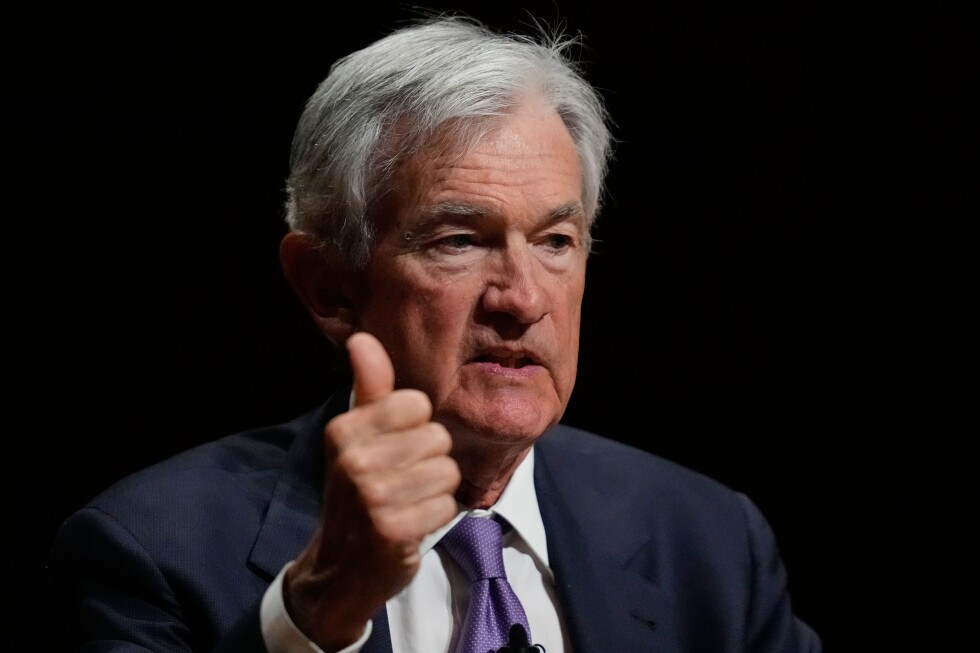
Despite these discussions, the Fed ultimately kept its key interest rate unchanged at around 3.6% during its March meeting. The central bank has maintained this rate during its first two meetings of the year, following three rate cuts at the end of 2025. Chair Jerome Powell, during his post-meeting news conference, downplayed projections that the Fed might reduce rates once this year.
Powell emphasized that any rate reduction would depend on seeing steady cooling in underlying inflation throughout the year. “If we don’t see that progress then you won’t see the rate cut,” he stated.
The minutes highlight the Fed’s challenging position as it attempts to fulfill its congressional mandates of maintaining low inflation and maximum employment. Fed officials acknowledged that the Iran conflict could force households to reduce spending to offset higher gas prices, potentially slowing economic growth and increasing unemployment.
This presents a “two-sided” risk for the central bank, which typically raises rates to combat inflation while cutting them to stimulate growth and hiring. Navigating the dual threats of rising unemployment and persistent inflation poses a complex challenge for monetary policymakers.
The first indications of how the gas price spike is affecting inflation will emerge this Friday when the government releases the March inflation report. Economists forecast a substantial 0.9% monthly increase, with prices rising 3.4% compared to a year earlier. This would mark a significant jump from February’s annual inflation rate of just 2.4%, pushing the figure further above the Fed’s 2% target.
Earlier this week, Beth Hammack, president of the Federal Reserve Bank of Cleveland, warned that her bank’s estimates suggest inflation will likely climb even higher in April. “Inflation has been running above our target for more than five years now,” she noted in an interview, expressing a concern shared by many policymakers. A further increase would signal that inflation is “moving in the wrong direction,” potentially strengthening the case for rate hikes.
The shifting stance among Fed officials reflects growing concern about inflation’s persistence despite previous monetary tightening measures. With gas prices continuing to rise due to geopolitical tensions, the central bank finds itself in an increasingly difficult position as it weighs economic growth concerns against its mandate to control price stability.
Fact Checker
Verify the accuracy of this article using The Disinformation Commission analysis and real-time sources.

8 Comments
As an industry observer, I’m curious to see how mining and metals companies adapt their strategies to navigate this environment of rising energy costs and potential rate increases. Agility will be key.
Rising energy costs are certainly a double-edged sword for mining and related sectors. While it may pressure inflation, higher rates could also constrain capital investments and project development.
Good point. Miners will need to closely monitor the Fed’s policy decisions and adjust their strategies accordingly.
As an investor in mining and energy equities, I’ll be watching this situation closely. The ripple effects of rising rates and energy prices could create both risks and opportunities across the sector.
The Fed’s potential rate hike in response to higher gas prices is a double-edged sword for mining and energy companies. It could pressure margins but also spur greater investment in domestic resource development.
Interesting to see the Fed weighing rate hikes in response to higher gas prices. This could have broader implications for commodities and energy equities. I wonder how it will impact mining and metals industries that rely on energy inputs.
From a commodities perspective, this is an interesting development. Increased interest rates may slow demand, but the underlying supply/demand dynamics for key minerals like copper, lithium, and uranium remain quite bullish long-term.
Curious to see how this plays out. The Fed is in a tricky position, trying to balance inflation concerns with supporting economic growth. Higher rates could cool demand for metals and minerals as well.