


Listen to the article
Southeast Asia’s Coal Appetite Grows Despite Climate Concerns
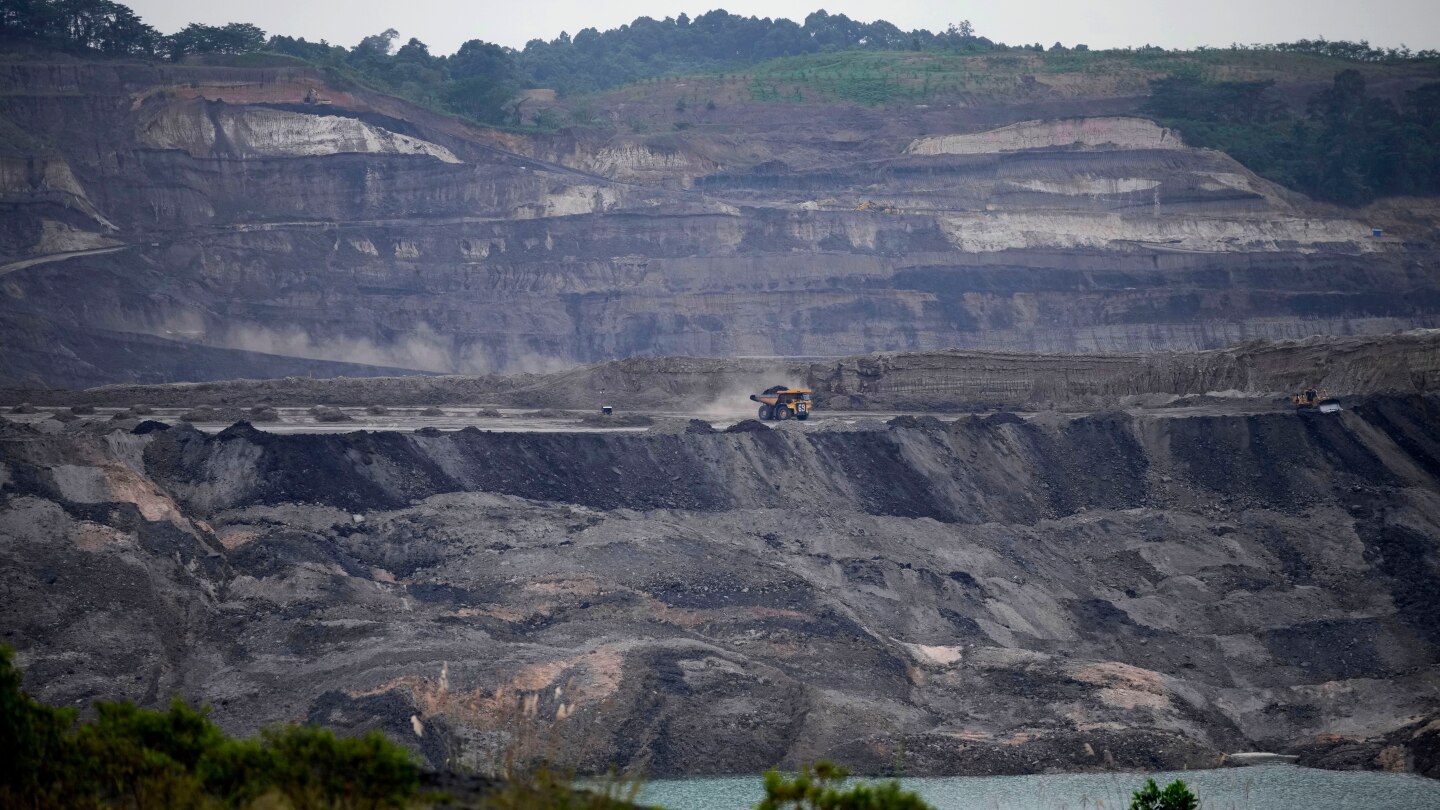
Southeast Asia’s demand for coal is accelerating faster than anywhere else globally, threatening efforts to reduce carbon emissions and combat climate change. According to a recent International Energy Agency report, regional coal consumption is projected to rise by more than 4% annually through 2030, driven by the growing electricity needs of rapidly expanding economies across the region of over 600 million people.
Indonesia, home to approximately 285 million people, will account for more than half of this increased demand, followed by Vietnam. This trend raises questions about the effectiveness of the $15.5 billion Just Energy Transition Partnerships (JETP) both countries signed in 2022 to finance their shift toward renewable energy. The anticipated policy reversals under the incoming Trump administration in the United States further complicate these transition efforts.
“We’re standing on two opposite grounds — wanting to build clean energy, but not letting go entirely of coal,” explained Katherine Hasan, an analyst with the Centre for Research on Energy and Clean Air.
The stakes are particularly high for Southeast Asia, a region already experiencing disproportionate impacts from extreme weather events and other climate change consequences. Coal combustion produces more greenhouse gas emissions than other fossil fuels and contributes significantly to the toxic haze that frequently blankets many Southeast Asian urban centers.
Currently supplying more than a third of Southeast Asia’s electricity, coal has established the region as the world’s third-largest coal consumer after India and China. While global coal demand is expected to plateau as alternatives expand and major buyers like South Korea reduce consumption, Southeast Asia is moving in the opposite direction.
Cost considerations and energy security concerns primarily drive this contradictory trend. “Coal still underpins a level of energy security that the region needs,” noted Paul Baruya of FutureCoal, an industry-backed organization. He emphasized that abandoning coal would mean writing off billions in existing infrastructure investments, including power plants and mines.
Public sentiment appears to support this cautious approach. A recent survey by Singapore’s ISEAS–Yusof Ishak Institute revealed growing preferences for delaying coal phase-outs until 2030 or even 2040, as concerns about reliable power supplies and economic costs outweigh climate worries.
Indonesian leadership has been particularly clear about its position. “What is important is that our government is firm in its stance that there will be no phase-out of fossil fuels,” declared Hashim Djojohadikusumo, brother to Indonesian President Prabowo Subianto and the country’s special climate envoy. “We’ve rejected that; we’re sticking with a phase-down.”
As the world’s largest coal exporter and Southeast Asia’s biggest carbon emitter, Indonesia’s energy decisions carry significant regional implications. “If Indonesia cannot transition away from coal, then why would other developing countries?” questioned Dinita Setyawati of the think tank Ember.
The country’s struggle to move beyond coal was highlighted last month when a years-long effort to retire a West Java coal plant fell through. Indonesia’s updated climate pledge, which abandoned a previous commitment to phase out coal by 2040, earned a “critically insufficient” rating from Climate Action Tracker, which determined that the country’s goals do not align with the Paris Climate Agreement. Currently, Indonesia is considering reopening pathways for constructing new coal plants.
This continued reliance on coal comes despite mounting climate-related costs. Last year, over 700 Indonesians died in floods and landslides linked to extreme weather events exacerbated by climate change. Prolonged coal use will likely worsen air pollution, particularly in cities like Jakarta.
Vietnam presents a more complex picture. The country has significantly expanded its renewable energy capacity, growing from just 4 megawatts of solar generation in 2015 to 16 gigawatts a decade later. It aims to reach up to 73.4 gigawatts by 2030 and 295 gigawatts by 2050.
Nevertheless, Vietnam’s coal consumption continues to rise. In 2025, the country imported a record 65 million metric tonnes of coal, a 2.6% increase from the previous year. This partly reflects caution following the 2023 power shortages, when drought conditions reduced hydropower output and caused approximately $1.4 billion in economic losses.
To support its ambitious annual GDP growth target of around 10% through 2030, Vietnam plans to increase electricity generation to levels comparable with Germany’s current annual energy consumption. The country has allowed major corporations like Danish toymaker LEGO and South Korean manufacturer Samsung to purchase electricity directly from Vietnamese renewable energy producers, potentially doubling the country’s renewable energy share to 42%.
However, Vietnam’s power grid is already strained by the rapid, uneven deployment of renewables and years of underinvestment in transmission infrastructure. The government estimates it needs approximately $18 billion by 2030 for system upgrades, but progress has been slow, and current funding commitments cover only a fraction of this requirement.
According to Putra Adhiguna of the Energy Shift Institute, momentum for JETP-backed projects in Indonesia and Vietnam is unlikely to accelerate this year. Indonesia’s recent cancellation of the West Java coal plant retirement and the anticipated U.S. withdrawal from JETP under the Trump administration have undermined confidence in the rollout of tangible projects in 2026.
“JETP was basically a brute force attempt to do a transition,” Adhiguna observed. “Governments were trying to bulldoze through… But fundamentally there are things that take a bit of time and political commitment to happen.”
Fact Checker
Verify the accuracy of this article using The Disinformation Commission analysis and real-time sources.

10 Comments
Kudos to the Center for Research on Energy and Clean Air for highlighting the challenging position Southeast Asian countries are in – wanting to build clean energy capacity but also reluctant to fully give up their reliance on coal. Navigating this balance will be critical.
The projected 4% annual increase in Southeast Asian coal consumption is quite worrying from a climate perspective. I’m curious to learn more about the specific policy and technological solutions being proposed to help the region shift away from coal while still meeting its energy needs.
This is a tricky situation – the region’s economic growth and energy demands are driving increased coal use, even as they aim to transition to renewables. Balancing these competing priorities will require careful policy planning and international cooperation.
You’re right, the transition to clean energy is complex, especially for developing economies with rising energy needs. Thoughtful, multi-stakeholder approaches will be crucial to make progress on emissions reduction targets.
This is a complex issue without easy solutions. While the region’s growing reliance on coal is concerning, I recognize the difficult realities of meeting rapidly rising energy demands. Sustained international cooperation and support will be crucial to help Southeast Asia navigate this transition.
It’s understandable that rapidly growing economies like Indonesia and Vietnam would want to leverage their abundant coal reserves to meet surging electricity demand. But this short-term approach risks locking in high emissions for decades to come.
This article highlights the tough tradeoffs facing policymakers in Southeast Asia as they try to balance economic development and energy security with climate action. I hope they can find innovative ways to accelerate the renewable energy transition despite the powerful pull of coal.
The potential policy reversals under a new US administration add another layer of complexity to Southeast Asia’s clean energy transition efforts. International coordination and commitment will be vital to keep the region on track to meet its climate goals.
The projected 4% annual increase in coal consumption in Southeast Asia is quite concerning from a climate perspective. I hope the JETP agreements can help spur quicker adoption of renewable energy sources to offset this growth.
Agreed, the JETP deals will be critical to driving the renewable energy transition in the region. But it will take sustained commitment and cooperation to overcome the powerful economic forces pushing for continued coal use.