


Listen to the article
Consumers File Lawsuits Against Companies Seeking Trump-Era Tariff Refunds
In the wake of the Supreme Court’s decision invalidating billions in tariffs imposed by former President Donald Trump, consumers have begun filing class-action lawsuits against companies seeking refunds of these import taxes.
At least two retail customers have initiated proposed class-action suits in U.S. courts against FedEx and EssilorLuxottica, maker of Ray-Ban sunglasses. These lawsuits aim to ensure consumers receive a portion of any tariff refunds these businesses might obtain.
The legal battle stems from the Supreme Court’s February 20 ruling that struck down tariffs implemented under the International Emergency Economic Powers Act (IEEPA). The invalidated tariffs are estimated to be worth between $130 billion and $175 billion, representing one of the largest potential tax refunds in U.S. history.
More than 1,000 companies, including major corporations like Revlon and Costco, have filed protective suits in the U.S. Court of International Trade to preserve their right to reimbursement. These businesses are positioning themselves to reclaim substantial sums once the government establishes a refund process.
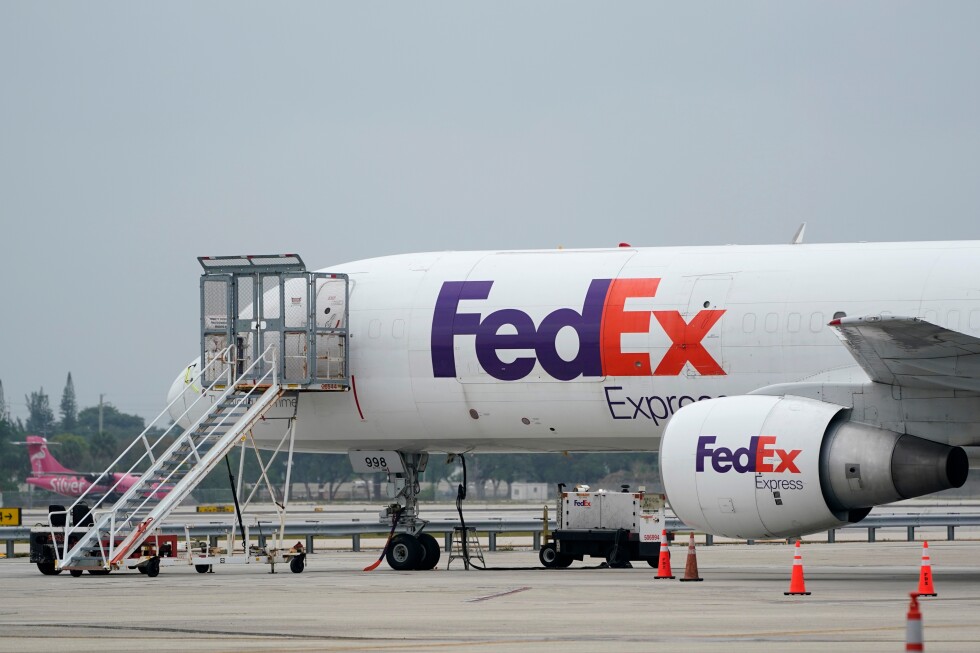
The consumer lawsuits highlight growing tensions between retailers and their customers over who should benefit from potential refunds. In Miami, Matthew Reiser filed a complaint against FedEx claiming he paid $36 in tariffs and related fees on tennis shoes shipped from Germany. Despite FedEx’s public statement on Thursday pledging to return any tariff refunds to shippers and customers, Reiser’s lawsuit argues this promise “creates no legally enforceable obligation.”
Similarly, New York resident Nathan Ward alleges in his lawsuit that he purchased Ray-Ban sunglasses at inflated prices that reflected tariff surcharges. According to Ward’s complaint, “Despite seeking an order entitling it to a refund of the duties collected as a result of the subject tariffs, EssilorLuxottica continues to collect and has not refunded the tariff surcharges it collected from consumers.”
Neither FedEx nor EssilorLuxottica immediately responded to requests for comment on these allegations.
The exact refund process through either the U.S. Court of International Trade or U.S. Customs and Border Protection remains undetermined and will likely take shape in the coming weeks or months as various claims proceed through government systems.
Legal experts anticipate these consumer lawsuits are just the beginning. Barry Appleton, co-director of the Center for International Law at New York Law School, expects many more similar cases to emerge, particularly targeting companies that explicitly itemized tariff charges on receipts or invoices.
“What we are watching is the predictable next chapter of the IEEPA story,” Appleton explained. “The Supreme Court told the White House it overreached, the major importers lined up for refunds, and now ordinary consumers are asking the obvious question — if those duties were illegal, why shouldn’t we get our money back too?”
While the legal viability of these consumer claims remains uncertain, they create significant pressure on businesses to share any tax refunds they secure. The situation highlights the complex downstream effects of trade policy on retail pricing and consumer rights.
The emerging lawsuits also underscore the far-reaching economic impact of the Supreme Court’s decision. With billions of dollars at stake, the resolution of these cases could set important precedents for how tariff refunds are distributed throughout supply chains and potentially provide relief to consumers who ultimately bore the cost of these import taxes through higher prices.
As the legal proceedings unfold, both businesses and consumers will be closely monitoring developments that could determine who ultimately benefits from one of the largest government refunds in recent history.
Fact Checker
Verify the accuracy of this article using The Disinformation Commission analysis and real-time sources.

7 Comments
Interesting to see how the tariff battle impacts consumers. Curious to see if the lawsuits are successful in getting refunds passed on to customers who paid the import taxes.
It’s good to see consumers fighting for their share of the tariff refunds. Businesses should not be able to pocket all the savings if the tariffs were unlawful. A fair process is needed.
The potential for massive tariff refunds is certainly an eye-catching figure. I wonder if the refund process will be straightforward or if there will be legal hurdles for companies and consumers to navigate.
This is a complex issue, balancing the interests of companies, the government, and consumers. I’ll be curious to see how the courts approach determining who is entitled to the tariff refunds.
Lawsuits are one way for consumers to assert their rights, but I wonder if there are other avenues for recouping the tariff costs. This could set an important precedent.
The Supreme Court’s ruling seems to open the door for significant refunds. I hope the process works smoothly and that consumers don’t get left out in the cold.
It’s good to see the courts stepping in to address the tariff issue. Consumers deserve a fair shake, but the logistics of refunds could be a headache for all involved.