


Listen to the article
A proposed billionaires’ tax in California has sparked fierce debate across Silicon Valley, with tech leaders threatening to relocate while Governor Gavin Newsom works to block the measure over concerns it could trigger a mass exodus of wealth from the state.
California, home to more billionaires than any other state, relies heavily on its wealthiest residents for tax revenue. Nearly half of the state’s personal income tax—a crucial component of its nearly $350 billion budget—comes from the top 1% of earners.
The Service Employees International Union is attempting to place a measure on the November ballot that would impose a one-time 5% tax on billionaires’ assets, including stocks, businesses, art collections, and intellectual property. The tax would apply retroactively to billionaires residing in California as of January 1.
Proponents argue the tax would help offset federal funding cuts to health services for lower-income residents that were implemented during the Trump administration. The initiative needs more than 870,000 petition signatures to qualify for the ballot.
“It’s a workable response to a crisis created by Congress,” said Suzanne Jimenez, chief of staff at SEIU-United Healthcare Workers West. She emphasized the tax would “keep emergency rooms open, hospitals staffed and health care systems functioning.”
The proposal has created strange political alignments in a state already grappling with economic anxieties and a widening wealth gap. Vermont Senator Bernie Sanders endorsed the measure, suggesting it could serve as a template for other states. “Our nation will not thrive when so few have so much while so many have so little,” Sanders posted on social media platform X.
Meanwhile, deep-pocketed opponents are pouring millions into efforts to defeat the initiative. PayPal co-founder Peter Thiel has contributed $3 million to a committee associated with a business group fighting the tax.
The California Business Roundtable leads opposition efforts, arguing the tax would “undermine our economy, decimate the state budget, drive investment out of the state and ultimately make everyday life more expensive for working families.”
Tech industry leaders have been particularly vocal in their criticism. Box CEO Aaron Levie, though not a billionaire himself, warned, “You are really playing with fire with this one.” He fears the tax would drive entrepreneurs to launch startups elsewhere, claiming even liberal-leaning tech pioneers would “find it absurd just on pure economic and structural grounds.”
The potential financial impact extends beyond the small number of individuals who would be directly taxed. At least 25 billionaires from Forbes’ list of the world’s 500 wealthiest people either live in California or maintain significant ties to the state. Analysts suggest an exodus of billionaires could cost the state hundreds of millions in tax revenue.
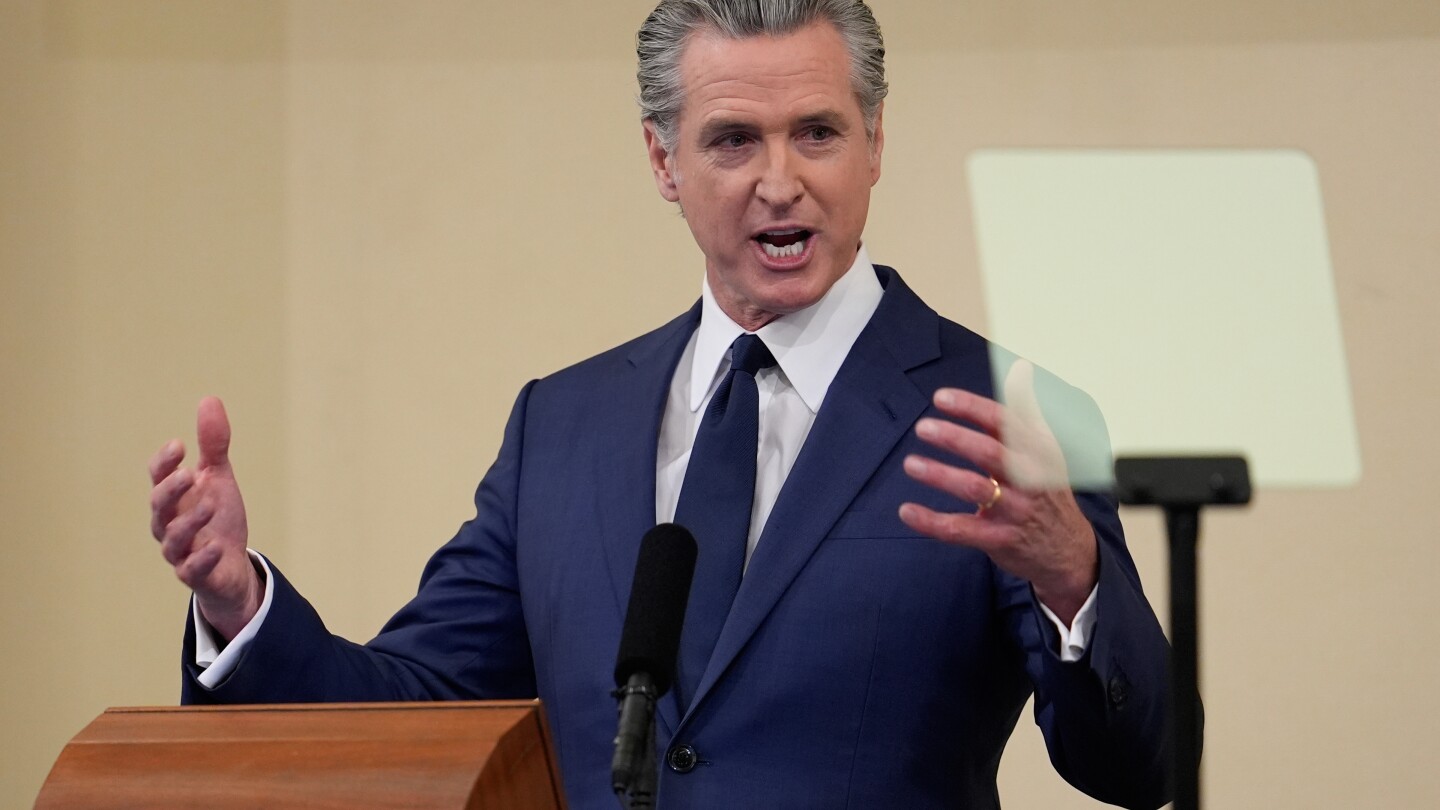
Governor Newsom, long opposed to state-level wealth taxes, is actively working to prevent the initiative from reaching voters. As he manages a state budget deficit and potentially positions himself for a 2028 presidential run, Newsom faces criticism from his party’s progressive wing, including Representative Ro Khanna, who mocked billionaires threatening to leave over a tax intended to fund healthcare for lower-income residents.
The tax proposal has accelerated a trend of wealthy Californians relocating to states with more favorable tax policies. Elon Musk, the world’s wealthiest person with a fortune estimated at $724 billion, moved to Texas years ago and relocated Tesla’s headquarters to Austin.
Recent reports indicate Google co-founders Larry Page and Sergey Brin, whose combined wealth approaches $530 billion, have begun moving assets to Florida. The pair, who built their tech empire in California after meeting as graduate students at Stanford University, appear to be joining other tech pioneers in reducing their financial exposure to the state’s tax policies.
California’s reputation for stringent regulations and high living costs had already fueled an outmigration trend before the wealth tax proposal emerged last year. For a state that has positioned itself as a technology mecca, the threatened departure of its wealthiest innovators raises questions about its long-term economic future.
Fact Checker
Verify the accuracy of this article using The Disinformation Commission analysis and real-time sources.

12 Comments
This is a high-stakes issue for California, which is home to more billionaires than any other state. A poorly designed tax could drive away the very people the state needs to fund critical services.
Agreed, the potential fallout from this proposal is significant. The state will need to carefully consider the consequences before moving forward.
Interesting proposal, but I worry it could drive away the tech talent that powers California’s economy. Balancing tax revenue with business-friendly policies is a delicate act for any state government.
Agreed, it’s a tricky balance. The state needs to find a way to fund critical services without scaring off the wealthy residents and companies that provide a big chunk of their budget.
A billionaires’ tax could provide much-needed funding, but the retroactive nature and targeting of assets like intellectual property seem problematic. Careful analysis of the potential impacts is warranted.
Agreed, this proposal seems to raise more questions than answers. The state will need to tread carefully to avoid unintended negative consequences for its economic competitiveness.
A billionaires’ tax is an intriguing idea, but the details will be crucial. Retroactively taxing assets like stocks and intellectual property seems risky and could spark an exodus of capital from the state.
Absolutely. Any new tax on the ultra-wealthy needs to be carefully designed to avoid unintended consequences. The state can’t afford to lose its top income earners.
The potential for a billionaires’ tax to trigger a mass exodus of wealth from California is concerning. The state relies heavily on its wealthiest residents, so any new tax needs to be thoroughly vetted.
Absolutely. California can’t afford to lose the businesses and individuals that provide a huge share of its tax revenue. This proposal seems risky and may require a rethink.
This is a sensitive issue for California, which relies heavily on its wealthiest residents for tax revenue. I’m curious to see how Newsom navigates this potential minefield with the tech industry.
Yes, it will be a delicate balancing act. The state needs to find ways to fund critical services, but can’t afford to drive away the businesses and individuals that are the backbone of its economy.