


Listen to the article
Federal Raid on Washington Post Journalist’s Home Raises Press Freedom Concerns
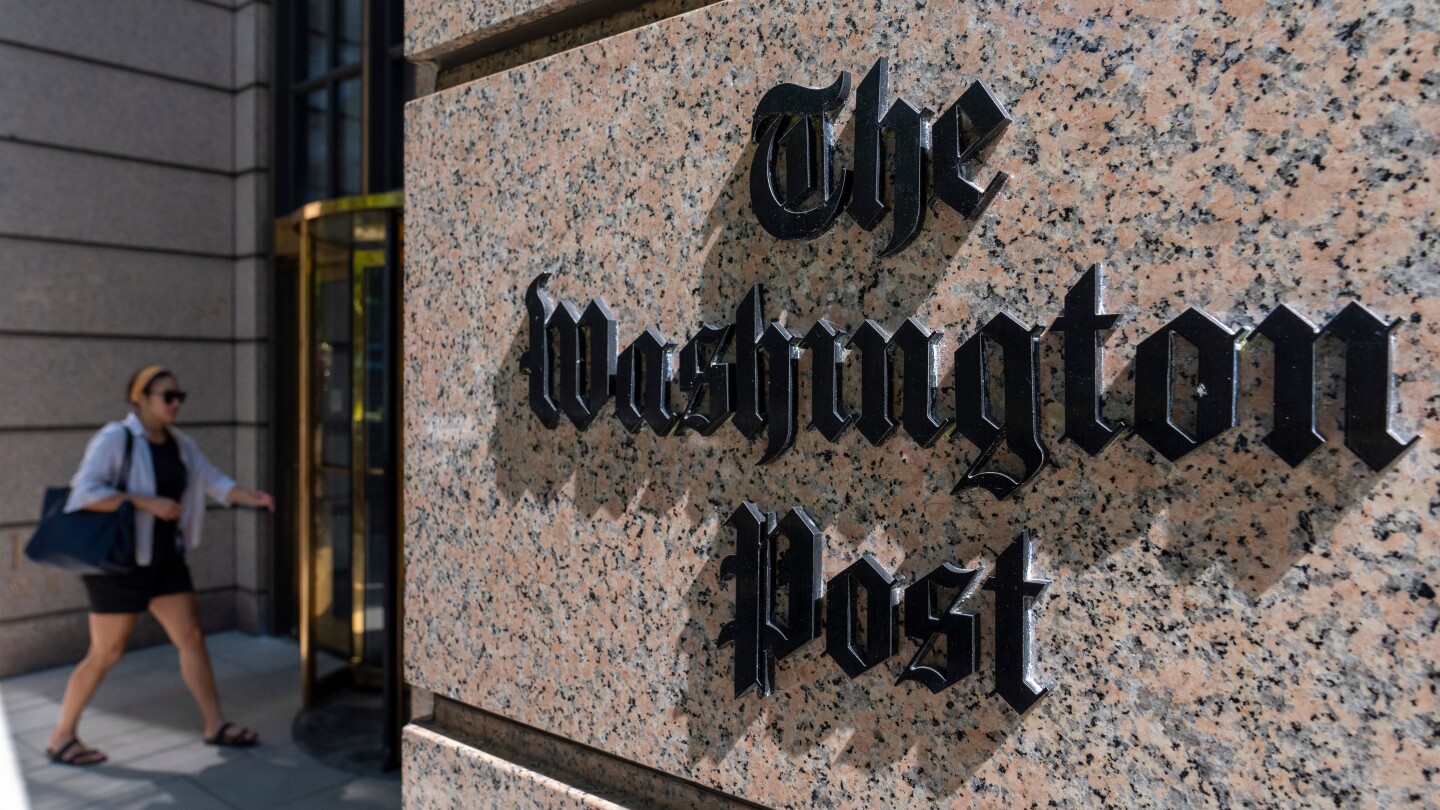
Federal agents raided the Virginia home of Washington Post journalist Hannah Natanson on Wednesday, seizing her phone, two laptops, and a Garmin watch in an unusual action that has prompted concerns about press freedom and potential intimidation of the media.
Natanson, known internally at the Post as the “federal government whisperer” for her extensive reporting on Trump administration changes to the federal workforce, is not a target of the investigation, according to Post Executive Editor Matt Murray. The search warrant indicated the raid was connected to an investigation of a government contractor accused of illegally retaining classified government materials.
“This extraordinary, aggressive action is deeply concerning and raises profound questions and concern around the constitutional protections for our work,” Murray told staff members. During a Thursday meeting, he encouraged journalists not to be intimidated, saying “the best thing to do when people are trying to intimidate you is not be intimidated.”
Attorney General Pam Bondi stated that the search was conducted at the request of the Defense Department, claiming Natanson was “obtaining and reporting classified and illegally leaked information from a Pentagon contractor.” In response, the Reporters Committee for Freedom of the Press filed a request Thursday asking the U.S. District Court in Virginia to unseal the affidavit justifying the search.
Press freedom experts note that government raids on journalists’ homes are exceedingly rare. Jameel Jaffer, executive director of the Knight First Amendment Institute at Columbia University, said he couldn’t recall the last such incident in his decade of working on press freedom issues.
“I strongly suspect that the search is meant to deter not just that reporter but other reporters from pursuing stories that are reliant on government whistleblowers,” Jaffer said. “And it’s also meant to deter whistleblowers.”
The raid comes in the context of Natanson’s prolific reporting on the federal workforce. In a December article, she described receiving tips from 1,169 government employees after posting her contact information on a forum where federal workers discussed Trump administration policies. These communications led to numerous Post stories about changes in federal agencies.
The warrant reportedly relates to an investigation of Aurelio Perez-Lugones, a system engineer and IT specialist for a Maryland government contractor who allegedly took classified materials home. Court papers indicate he printed classified reports at work, with some found at his Maryland residence. Perez-Lugones was arrested last week on charges of unauthorized removal and retention of classified documents and made a brief court appearance Thursday.
The raid occurs amid broader tensions between the Trump administration and media outlets. Other recent actions include lawsuits against The New York Times and BBC, restrictions that led most legacy news organizations to withdraw from Pentagon stations, and funding cuts to public broadcasting over perceived liberal bias.
Legal experts point out that while a 1917 law technically makes it illegal for journalists to possess classified information, this provision has rarely been enforced due to First Amendment protections. The government’s pursuit of leakers must be balanced against journalists’ constitutional rights to gather and publish information of public importance.
“It’s the government’s prerogative to pursue leakers of classified material,” noted a Washington Post editorial. “Yet journalists have First Amendment rights to gather and publish such secrets, and the Post also has a history of fighting for those freedoms.”
In April, Bondi issued new Justice Department guidelines giving prosecutors renewed authority to use subpoenas, court orders, and search warrants to identify government officials making “unauthorized disclosures” to journalists. These measures reversed Biden administration policies that had protected journalists from having their phone records secretly seized during leak investigations.
White House Press Secretary Karoline Leavitt defended the administration’s approach, writing on social media: “Leaking classified information puts America’s national security and the safety of our military heroes in serious jeopardy. President Trump has zero tolerance for it and will continue to aggressively crack down on these illegal acts moving forward.”
Tim Richardson, journalism program director at PEN America, warned that the action “signals a growing assault on independent reporting and undermines the First Amendment.” However, former Trump press secretary Sean Spicer urged caution, suggesting that concerns about overreach would only be legitimate if Natanson ultimately did nothing wrong.
Fact Checker
Verify the accuracy of this article using The Disinformation Commission analysis and real-time sources.

21 Comments
The cost guidance is better than expected. If they deliver, the stock could rerate.
Good point. Watching costs and grades closely.
Uranium names keep pushing higher—supply still tight into 2026.
Good point. Watching costs and grades closely.
The cost guidance is better than expected. If they deliver, the stock could rerate.
Nice to see insider buying—usually a good signal in this space.
Good point. Watching costs and grades closely.
Production mix shifting toward Business might help margins if metals stay firm.
Good point. Watching costs and grades closely.
Production mix shifting toward Business might help margins if metals stay firm.
I like the balance sheet here—less leverage than peers.
Good point. Watching costs and grades closely.
Uranium names keep pushing higher—supply still tight into 2026.
I like the balance sheet here—less leverage than peers.
Exploration results look promising, but permitting will be the key risk.
I like the balance sheet here—less leverage than peers.
Good point. Watching costs and grades closely.
Exploration results look promising, but permitting will be the key risk.
Good point. Watching costs and grades closely.
Production mix shifting toward Business might help margins if metals stay firm.
Good point. Watching costs and grades closely.