


Listen to the article
Sports prediction markets are rapidly expanding, drawing both interest and concern from major leagues across the United States. This growing sector has become so significant that even traditional sportsbooks have begun entering the business.
The two largest platforms, Kalshi and Polymarket, have seen remarkable growth alongside numerous competitors. Kalshi reported an extraordinary milestone during this year’s Super Bowl Sunday, with total trading volume exceeding $1 billion – a staggering 2,700% increase from the previous year.
Nearly eight years after the Supreme Court ruling that paved the way for legalized sports gambling nationwide, prediction markets have emerged as a distinct but related phenomenon, receiving mixed responses from sports organizations.
“I think teams and leagues had to some extent a seat at the table in terms of how states were going to legalize sport betting,” explained Stephen Shapiro, a sports and entertainment management professor at the University of South Carolina. “I think they have much less of a feeling or understanding towards prediction markets.”
Unlike traditional sportsbooks, prediction markets function more like financial exchanges. They allow users to trade contracts on the outcomes of future events, with prices reflecting the perceived probability of those outcomes occurring. Each contract is valued between $0 and $1, corresponding to a 0% to 100% chance of an event happening.
Matthew Bakowicz, a former sportsbook executive who now serves as program director at American University’s Kogod School of Business, likens the system to options trading: “You have found a partner on the other side that is willing to trade you that contract or that offer. They are a market maker.”
This peer-to-peer trading structure fundamentally differs from traditional sports betting, where bookmakers set odds and directly pay winners. It’s this distinction that has created regulatory ambiguity.
Prediction markets fall under the oversight of the Commodity Futures Trading Commission (CFTC), while sports gambling is regulated by state governments. This federal versus state regulatory divide has led to several ongoing court cases, with many experts expecting the issue to eventually reach the Supreme Court.
Daniel Wallach, a prominent sports gaming attorney, questions the distinction: “The way that these prediction market companies have differentiated sports betting from prediction markets is by casting themselves as an exchange that hosts a peer-to-peer platform whereas sports betting traditionally is conducted in a house-banked system of wagering. But that’s a distinction without a difference here.”
One critical regulatory issue centers on the CFTC’s prohibition of event contracts that involve “gaming,” with considerable debate over how that term should be defined and applied.
Prediction markets have distinct advantages over traditional sportsbooks. They’re accessible to adults aged 18-20 in most cases, while sports betting typically requires users to be 21 or older. Moreover, these platforms operate in states where traditional sports betting remains illegal, including major markets like Texas and California.
Professional sports leagues have responded to prediction markets with varying approaches. The NHL established multiyear partnerships with both Kalshi and Polymarket last October, including integrity provisions similar to those in their sportsbook agreements. The Chicago Blackhawks became the first individual franchise to partner with Kalshi in December.
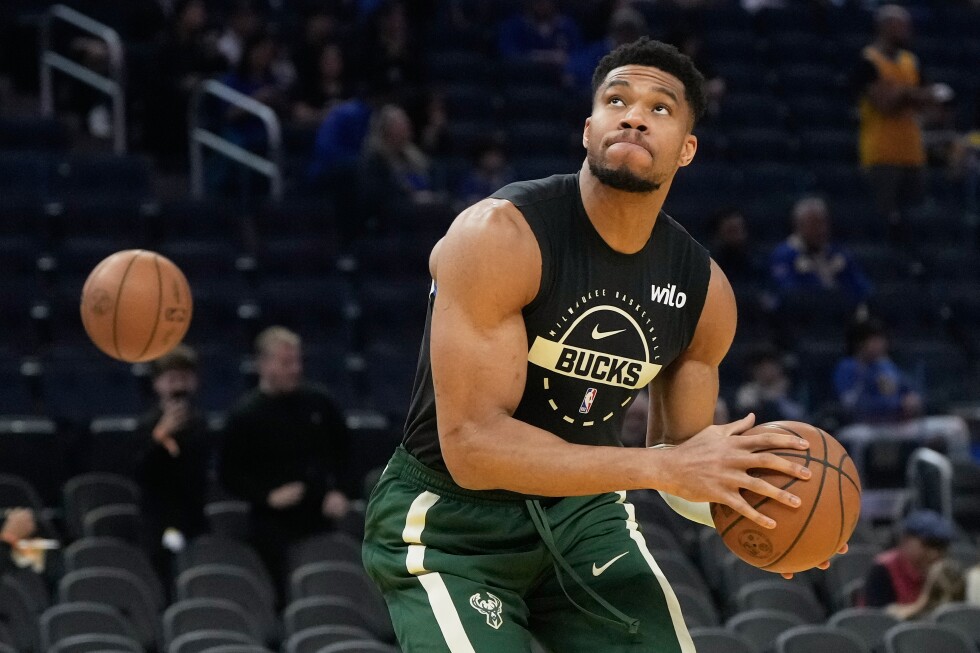
Major League Soccer joined the trend in January with a Polymarket partnership that includes safeguards to protect match integrity. Meanwhile, NBA star Giannis Antetokounmpo has become a Kalshi shareholder, though the league has not commented on this development.
The American Gaming Association has criticized these developments, with CEO Bill Miller describing the NHL’s partnerships as “deeply troubling.” The AGA accuses prediction market platforms of attempting to “evade state regulations and ignore the voice of voters and elected leaders.”
MLB Commissioner Rob Manfred has noted potential benefits to federal regulation: “The interesting thing about the prediction markets is there’s an opportunity to work with the Commodities Futures Trading Commission. If you got where you wanted to be, you’d have a nice federal regulation to be the same everywhere.”
The NFL has expressed greater reluctance, with executive vice president Jeff Miller stating in congressional testimony that the league has no plans to participate in prediction markets.
The NCAA has taken perhaps the strongest stance, requesting that the CFTC pause event contracts for college sports until appropriate regulations are implemented. NCAA President Charlie Baker emphasized, “The answer cannot be the status quo. We need one set of fair, transparent standards.”
As prediction markets continue their rapid expansion into sports, these regulatory questions and organizational responses will shape the future landscape of sports wagering in America.
Fact Checker
Verify the accuracy of this article using The Disinformation Commission analysis and real-time sources.

25 Comments
Exploration results look promising, but permitting will be the key risk.
Good point. Watching costs and grades closely.
Interesting update on Prediction markets love sports, but the feeling isn’t exactly mutual. Curious how the grades will trend next quarter.
Good point. Watching costs and grades closely.
Interesting update on Prediction markets love sports, but the feeling isn’t exactly mutual. Curious how the grades will trend next quarter.
Good point. Watching costs and grades closely.
Good point. Watching costs and grades closely.
Exploration results look promising, but permitting will be the key risk.
Good point. Watching costs and grades closely.
Production mix shifting toward Business might help margins if metals stay firm.
If AISC keeps dropping, this becomes investable for me.
Good point. Watching costs and grades closely.
Production mix shifting toward Business might help margins if metals stay firm.
Good point. Watching costs and grades closely.
Interesting update on Prediction markets love sports, but the feeling isn’t exactly mutual. Curious how the grades will trend next quarter.
Good point. Watching costs and grades closely.
Production mix shifting toward Business might help margins if metals stay firm.
The cost guidance is better than expected. If they deliver, the stock could rerate.
Good point. Watching costs and grades closely.
Nice to see insider buying—usually a good signal in this space.
Silver leverage is strong here; beta cuts both ways though.
Good point. Watching costs and grades closely.
Good point. Watching costs and grades closely.
Nice to see insider buying—usually a good signal in this space.
Good point. Watching costs and grades closely.