


Listen to the article
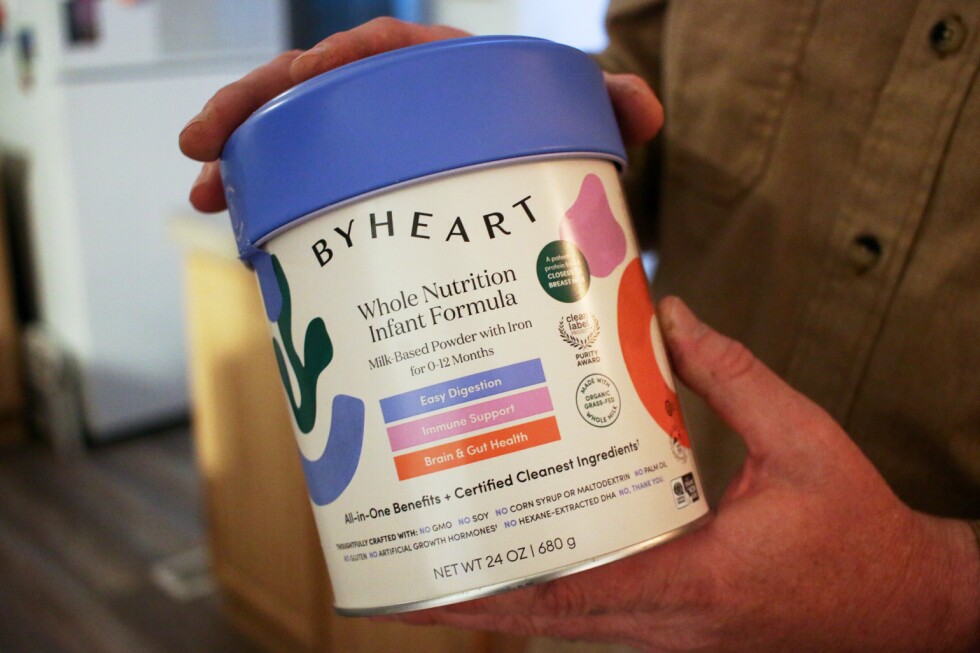
U.S. health officials revealed Friday that powdered whole milk used in ByHeart infant formula may be the source of a widespread botulism outbreak that has affected dozens of babies across the country.
Testing conducted by the Food and Drug Administration discovered botulism-causing bacteria in multiple samples linked to the formula. Investigators found matching bacterial strains in an unopened can of formula and in samples from a sick infant. The same contamination was also detected in the organic whole milk powder used as an ingredient in ByHeart’s products, according to samples collected and tested by both the company and FDA officials.
The FDA also confirmed that contamination in a sample of whole milk powder supplied to ByHeart matched bacteria found in a finished formula product, establishing a clear connection between the raw ingredient and the tainted formula.
Despite these significant findings, FDA officials emphasized that their investigation continues “to determine the source of the contamination” and noted the results are not yet conclusive. Neither the FDA nor ByHeart has disclosed the name of the powdered whole milk supplier.
ByHeart responded to the findings in a statement, suggesting they are “significantly closer to determining the root cause of the contamination.” The FDA has reassured consumers there is no indication of a broader problem in the infant formula supply chain.
The botulism outbreak has sickened 51 infants across 19 states since December 2023. Health officials first identified the problem in November when California’s public health program, which administers the only available treatment for infant botulism, detected an unusual surge in cases among babies consuming ByHeart formula.
According to the Centers for Disease Control and Prevention, no new cases have been reported since mid-December, suggesting containment measures have been effective.
ByHeart initially recalled only two lots of formula but quickly expanded the recall to include all of their products. Federal officials later stated they could not rule out contamination in any products manufactured since the company’s launch in March 2022.
The expanded recall followed company testing in November that revealed six of 36 formula samples from three different production lots contained Clostridium botulinum, the dangerous bacteria that causes infant botulism.
Food safety experts note that botulism contamination in infant formula is extremely rare, making the size and scope of the ByHeart outbreak unprecedented in the industry’s history.
Sarah Sorscher, director of regulatory affairs for the Center for Science in the Public Interest, pointed out that while some formula companies voluntarily test raw materials and finished products for contamination, such testing is not mandatory. “FDA has not announced a plan to do testing, and that’s what we really want to see them do,” she said.
Bill Marler, a prominent food safety attorney representing more than 30 families of affected infants, emphasized that identifying the milk supplier as the contamination source doesn’t absolve the company. “Just because they are able to point the finger at dried powder as the ingredient that may have been contaminated, it doesn’t take any of the legal or moral responsibility away from ByHeart,” Marler stated.
Before the outbreak, ByHeart controlled approximately 1% of the U.S. infant formula market, selling about 200,000 cans monthly. The company marketed its product as a premium option closely resembling human breast milk, highlighting its use of “organic, grass-fed whole milk” ingredients. Many parents who chose the formula, which retailed for about $42 per can, cited these claimed health benefits as their primary motivation.
The unprecedented nature of this outbreak has raised questions about testing protocols and ingredient sourcing throughout the infant formula industry, potentially leading to stricter regulations and monitoring in the future.
Fact Checker
Verify the accuracy of this article using The Disinformation Commission analysis and real-time sources.

8 Comments
I hope the FDA’s investigation leads to swift action to hold the responsible parties accountable and prevent future incidents. Contaminated infant formula is a serious public health threat that cannot be tolerated.
Powdered milk is a common ingredient in many products, so it’s worrying that this supply may be tainted. Kudos to the FDA for digging into the details to trace the issue back to the raw ingredient supplier. Transparency from all parties will be crucial to restore confidence.
I’m curious to learn more about the specific supplier that provided the contaminated powdered milk. Were there any red flags or previous quality issues that should have been caught earlier? Rigorous vetting of ingredients is so important for food safety.
This is a good example of how important ingredient traceability is, especially for sensitive products like baby formula. The fact that the FDA could trace the contamination back to the powdered milk supplier is crucial for identifying the root cause.
This is a concerning development. Contaminated infant formula can have devastating consequences for babies and their families. I hope the FDA’s investigation uncovers the full scope and source of the issue quickly to prevent further harm.
As a parent, the thought of botulism in infant formula is terrifying. I’m glad the FDA is taking this seriously and conducting thorough testing. It’s reassuring that they have already found a clear link to the powdered whole milk used as an ingredient.
This is a sobering reminder of the importance of food safety and quality control, especially for vulnerable populations like infants. I hope the FDA’s findings lead to meaningful reforms to strengthen oversight and accountability in the industry.
This is a reminder of how vulnerable our food supply can be. Rigorous testing and traceability are vital, but ultimately the responsibility falls on manufacturers to ensure the safety and quality of their ingredients and final products.