


Listen to the article
Federal regulators have removed warnings about suicidal thoughts from popular weight-loss medications after concluding they pose no increased risk, marking a significant development for manufacturers and patients alike.
The U.S. Food and Drug Administration announced Tuesday that Novo Nordisk and Eli Lilly can remove label warnings related to potential suicidal thoughts and behaviors from their blockbuster weight-loss drugs. This decision follows what the agency described as a comprehensive review that “found no increased” suicide risk among users of GLP-1 medications prescribed for obesity treatment.
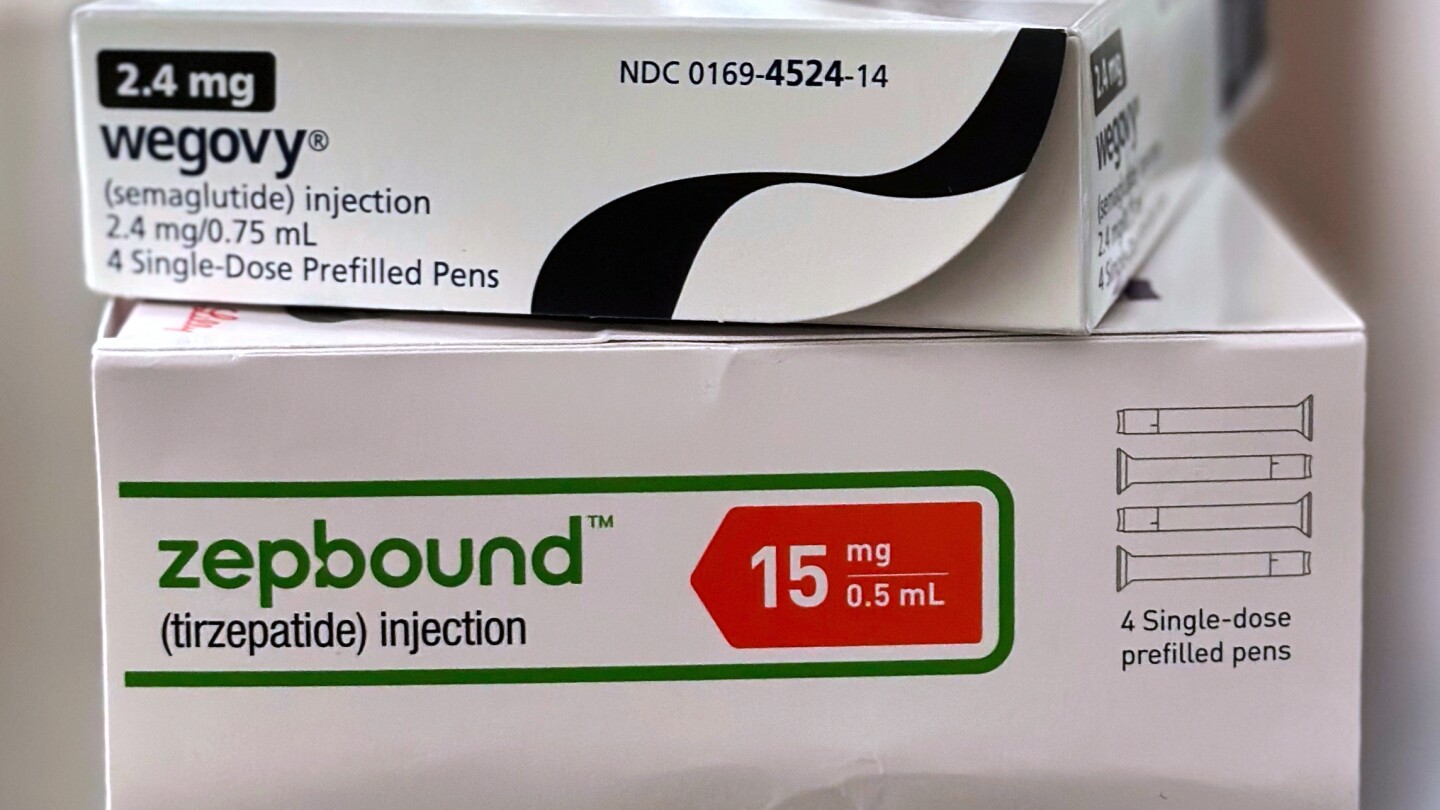
The affected medications include Novo Nordisk’s Wegovy and Saxenda, as well as Eli Lilly’s Zepbound, which have gained widespread popularity amid growing demand for effective weight management solutions. These medications belong to a class known as GLP-1 receptor agonists, which work by mimicking hormones that regulate appetite and feelings of fullness.
The FDA had initially conducted a preliminary review in January 2024 that showed no connection between these medications and suicidal thoughts or actions. However, at that time, regulators maintained that they couldn’t entirely rule out “a small risk may exist.” Tuesday’s announcement effectively puts those concerns to rest following more thorough analysis.
The decision brings consistency across the GLP-1 medication landscape. The FDA noted that other GLP-1 receptor agonists approved specifically for diabetes treatment had never carried such warnings in the first place. “Today’s FDA action will ensure consistent messaging across the labeling for all FDA-approved GLP-1 RA medications,” the agency stated.
This regulatory update comes at a pivotal time for the weight-loss drug market, which has exploded in recent years. Wegovy and Zepbound have become pharmaceutical success stories, with both medications showing the ability to help patients lose significant amounts of weight in clinical trials. Demand has been so strong that manufacturers have struggled with periodic supply shortages as they work to scale production capacity.
For Novo Nordisk and Eli Lilly, the removal of these warnings represents a positive development that could potentially expand the medications’ appeal to patients who may have been hesitant due to concerns about mental health side effects. Both companies have seen their stock values rise substantially on the back of the weight-loss drug boom, with analysts projecting the global market for these medications could reach tens of billions of dollars annually.
The medications’ success reflects growing recognition of obesity as a chronic medical condition requiring pharmaceutical intervention rather than simply a lifestyle issue. Healthcare providers have increasingly prescribed these drugs to help patients address obesity-related health problems such as diabetes, heart disease, and joint issues.
However, the medications remain expensive – often costing more than $1,000 per month – and insurance coverage varies widely, creating access challenges for many potential users. Some patients have also reported unpleasant side effects including nausea, vomiting, and digestive issues, particularly when starting treatment.
Mental health concerns had been one area of scrutiny for these medications, with some anecdotal reports and initial data triggering closer examination by regulators. The FDA’s comprehensive review and subsequent removal of the warning language suggests these specific concerns were not substantiated by broader evidence.
For patients currently using these medications or considering them for weight management, the FDA’s decision provides reassurance about one aspect of their safety profile, though users should still discuss all potential benefits and risks with their healthcare providers.
The GLP-1 medication market continues to evolve rapidly, with several pharmaceutical companies working to develop similar or improved versions, potentially increasing competition and treatment options in the coming years.
Fact Checker
Verify the accuracy of this article using The Disinformation Commission analysis and real-time sources.

13 Comments
Interesting news about the FDA’s decision to remove suicide warnings from popular weight-loss drugs. While this could improve access to these treatments, the agency must maintain close oversight to quickly address any new safety issues that emerge. Effective weight management solutions are important, but not at the expense of patient wellbeing.
Interesting news about the FDA removing suicide warnings from popular weight-loss drugs. While patient safety should be the top priority, this decision suggests the agency found no significant link between these medications and suicidal thoughts. I’m curious to learn more about the comprehensive review process and the rationale behind this change.
You raise a good point. Removing the warnings could encourage more patients to try these weight-loss treatments, but ongoing monitoring will be critical to ensure there are no unintended consequences.
The FDA’s decision to remove suicide warnings from these weight-loss drugs is an interesting shift. While it could expand treatment options for patients, I hope the agency maintains a vigilant eye on safety data and is prepared to reinstate warnings if any new concerns emerge. Effective weight management is important, but not at the expense of patient wellbeing.
This is an interesting development in the world of weight-loss medications. The FDA’s removal of suicide warnings from these popular drugs suggests they believe the benefits outweigh the potential risks. However, it will be crucial for them to maintain vigilant oversight and be prepared to reinstate warnings if any new safety concerns arise.
This is an intriguing development in the weight-loss drug market. The FDA’s decision to remove suicide warnings from popular medications like Wegovy and Zepbound suggests they believe the benefits outweigh the potential risks. However, ongoing safety monitoring will be crucial to ensure no unintended consequences arise. Patient wellbeing should remain the top priority.
This is an important development for manufacturers and patients seeking effective weight management solutions. The FDA’s decision to remove the suicide warnings based on their review is a positive step, but I hope they continue to closely monitor the safety of these medications over time.
I agree. While the FDA’s decision seems reasonable given the evidence, it will be important to remain vigilant and quickly address any emerging safety issues with these popular weight-loss drugs.
This is an important development in the weight-loss drug market. The FDA’s removal of suicide warnings from popular medications like Wegovy and Zepbound suggests they believe the benefits outweigh the risks. However, close post-market surveillance will be critical to ensure patient safety remains the top priority.
The FDA’s decision to remove suicide warnings from popular weight-loss drugs is a significant shift. While I’m encouraged by the agency’s comprehensive review finding no increased risk, I hope they continue to closely track safety data and are ready to act quickly if any issues emerge. Effective weight management solutions are needed, but patient wellbeing must remain the top priority.
The FDA’s decision to remove suicide warnings from weight-loss drugs is intriguing. While it could improve access to these treatments, ongoing safety monitoring will be essential. I hope the agency continues to closely track any potential side effects and is ready to act swiftly if new issues come to light.
This is an interesting development in the weight-loss drug market. The FDA’s decision to remove the suicide warnings suggests they believe the benefits of these medications outweigh the potential risks. It will be important to monitor how this impacts patient uptake and whether any new safety concerns arise over time.
The FDA’s move to remove suicide warnings from these weight-loss medications is intriguing. I’m glad to see they conducted a comprehensive review and found no increased risk, as that could open up new treatment options for patients. However, I hope they maintain a close eye on long-term safety data.