


Listen to the article
Near Miss at LAX: Frontier Airlines Jet Avoids Collision with Ground Vehicles
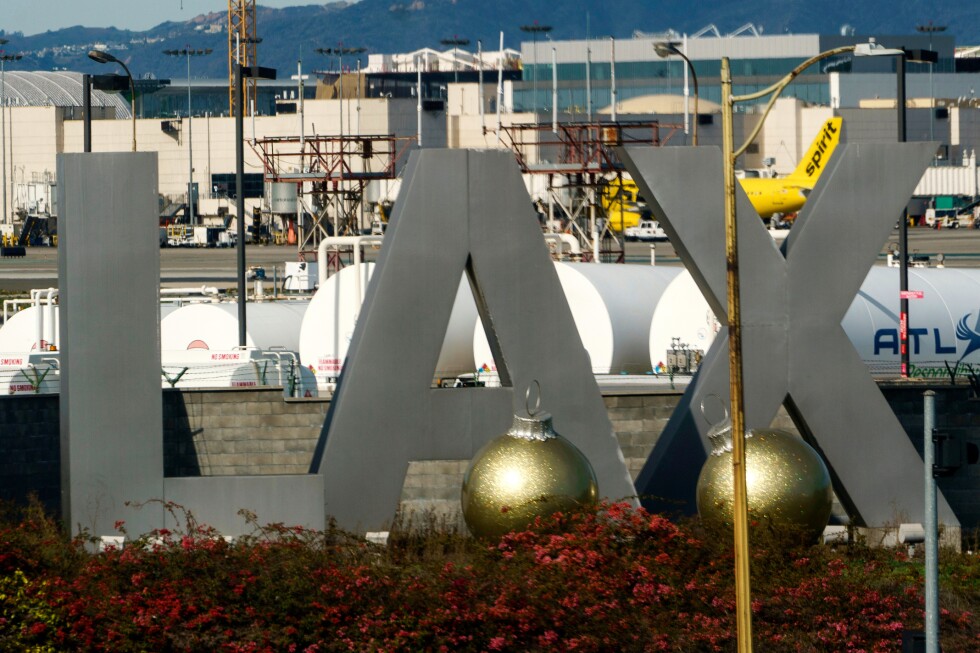
A Frontier Airlines aircraft narrowly avoided a collision with two trucks crossing its path at Los Angeles International Airport late Wednesday, heightening concerns about ground safety at major airports just weeks after a deadly incident in New York.
The pilot was forced to brake suddenly as the vehicles crossed in front of the jet on a taxiway around 11:25 p.m. “It was real close. The closest I have ever seen,” the pilot told air traffic controllers, using an expletive to emphasize the severity of the near miss, according to audio recordings posted by ATC.com.
Unlike last month’s fatal crash at New York’s LaGuardia Airport, this incident occurred while the plane was moving at relatively low speed on a taxiway rather than during landing operations. The Federal Aviation Administration has launched an investigation into the incident, which fortunately resulted in no injuries.
“We thank our crew for their vigilance and professionalism,” Frontier Airlines said in a statement following the incident.
The close call comes amid growing scrutiny of ground operations at U.S. airports. On March 22, an Air Canada jet carrying 76 people collided with a fire truck while landing at LaGuardia, resulting in the deaths of both pilots and injuries to dozens of passengers and crew. In that case, an air traffic controller had cleared the fire truck to cross the runway less than 20 seconds before the collision and subsequently made a frantic but futile attempt to halt the vehicle.
The Los Angeles incident appears to highlight a potential gap in safety protocols. In the area where the near miss occurred, aircraft communicate with air traffic controllers about their movements, but ground vehicles are simply expected to yield to aircraft, which typically move at approximately 15 mph (24 kph) on taxiways. LAX officials did not immediately respond to inquiries about the incident or about existing procedures to prevent such occurrences.
Aviation safety expert Steve Arroyo, a former United Airlines pilot, noted that such close calls on taxiways are actually common across U.S. airports but rarely receive attention because collisions are typically avoided. However, with multiple recent incidents, he believes the issue warrants more focused attention.
“Multiple incidents, accidents happening, just in March alone, I think it’s time to put some serious eyes on what’s going on on the ramp,” Arroyo said.
This incident underscores ongoing concerns about airport ground safety, a critical but sometimes overlooked aspect of aviation security. The National Transportation Safety Board has repeatedly identified runway and taxiway incursions as a significant safety risk in commercial aviation.
According to FAA data, there were 1,732 runway incursions in the U.S. in fiscal year 2023, up from 1,633 the previous year. While most of these incidents do not result in near collisions, the uptick has prompted aviation authorities to reexamine procedures and technologies aimed at preventing ground vehicles and aircraft from occupying the same space.
As air traffic returns to and exceeds pre-pandemic levels at major hubs like LAX—one of the busiest airports in the world with complex ground operations—incidents like this one highlight the increasing complexity of managing ground movements safely in congested airport environments.
The FAA’s investigation will likely focus on communication protocols between ground vehicles and air traffic control, visibility conditions at the time of the incident, and adherence to existing safety procedures by all parties involved.
Fact Checker
Verify the accuracy of this article using The Disinformation Commission analysis and real-time sources.

27 Comments
Interesting update on Pilot slams brakes to prevent Frontier Airlines collision at Los Angeles airport. Curious how the grades will trend next quarter.
Good point. Watching costs and grades closely.
If AISC keeps dropping, this becomes investable for me.
Uranium names keep pushing higher—supply still tight into 2026.
Uranium names keep pushing higher—supply still tight into 2026.
Silver leverage is strong here; beta cuts both ways though.
Uranium names keep pushing higher—supply still tight into 2026.
Good point. Watching costs and grades closely.
I like the balance sheet here—less leverage than peers.
Good point. Watching costs and grades closely.
Good point. Watching costs and grades closely.
Exploration results look promising, but permitting will be the key risk.
I like the balance sheet here—less leverage than peers.
Good point. Watching costs and grades closely.
The cost guidance is better than expected. If they deliver, the stock could rerate.
Good point. Watching costs and grades closely.
The cost guidance is better than expected. If they deliver, the stock could rerate.
Good point. Watching costs and grades closely.
If AISC keeps dropping, this becomes investable for me.
Good point. Watching costs and grades closely.
Good point. Watching costs and grades closely.
If AISC keeps dropping, this becomes investable for me.
Good point. Watching costs and grades closely.
Good point. Watching costs and grades closely.
Interesting update on Pilot slams brakes to prevent Frontier Airlines collision at Los Angeles airport. Curious how the grades will trend next quarter.
Good point. Watching costs and grades closely.
Good point. Watching costs and grades closely.