


Listen to the article
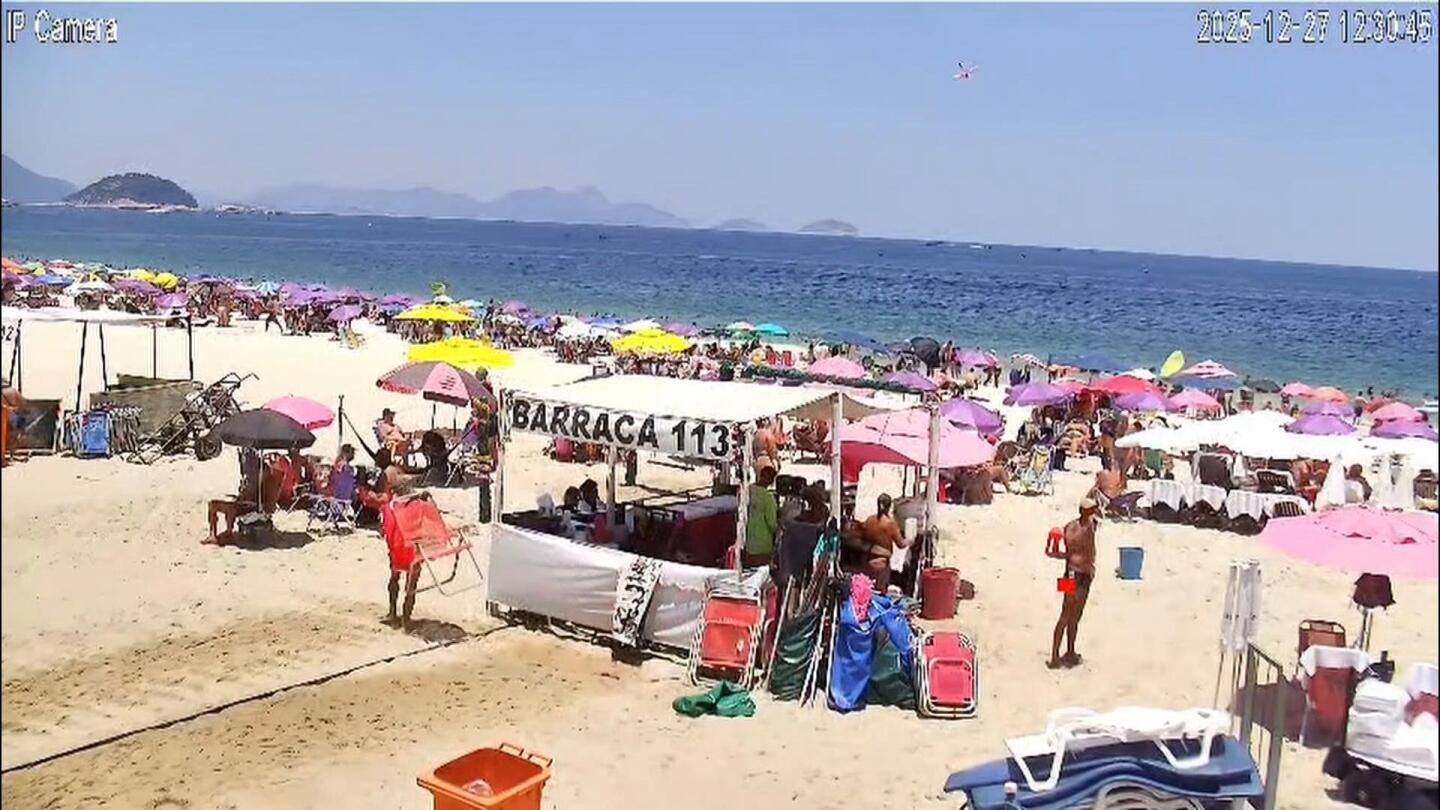
A tragic incident unfolded at one of Brazil’s most famous beaches Saturday when an ultralight aircraft crashed into the sea off Copacabana in Rio de Janeiro, killing the pilot. The accident, which occurred around 12:30 p.m. local time, was captured on security cameras that showed the small plane diving nose-first into the water near the shoreline.
The Cessna 170A, which belonged to a local advertising company, was pulling a promotional banner over the crowded beach area when the crash occurred. Authorities have not yet released the identity of the pilot, whose body was recovered and transported to the medical examiner’s office for formal identification.
Rescue teams from the Rio de Janeiro Fire Department launched an immediate response, deploying Jet Skis, inflatable boats, and divers to the crash site. The operation also utilized aerial support and sonar equipment to search for potential additional victims and to recover wreckage from the seabed. The Brazilian air force has opened an official investigation into the cause of the crash.
Copacabana Beach, one of Rio de Janeiro’s premier tourist destinations, was reportedly crowded with weekend beachgoers when the accident happened. The iconic 4-kilometer stretch of sand typically attracts thousands of locals and visitors, particularly during weekends and summer months.
Banner advertising flights are a common sight along Rio’s coastline, with small aircraft regularly flying over beaches displaying messages for local businesses, events, and promotions. These flights operate under specific aviation regulations that govern altitude, flight paths, and safety parameters.
The aviation industry in Brazil has faced scrutiny in recent years over safety standards for small aircraft operations. According to the Brazilian Aeronautical Accidents Investigation and Prevention Center (CENIPA), there were over 100 aviation incidents involving small aircraft in Brazil last year, though fatal crashes during advertising flights remain relatively rare.
Local business owners in the area expressed concern about the accident’s impact on beachgoers and tourism. “These planes are part of the beach landscape here, but seeing one crash is shocking,” said Carlos Mendes, who operates a beachfront kiosk near where the incident occurred. “Everyone on the beach was watching as rescue teams worked.”
Aviation experts note that banner-towing operations present unique challenges for pilots. “Pulling a banner changes the aircraft’s aerodynamics and requires specific training,” explained Ana Claudia Rocha, a former commercial pilot and aviation safety consultant in Rio de Janeiro. “Weather conditions, wind patterns along the coastline, and mechanical issues can all contribute to difficulties in maintaining proper control.”
The Cessna 170A is a single-engine, four-seat light aircraft first manufactured in the late 1940s and early 1950s. While sturdy and reliable, many of these aircraft still in operation are several decades old, requiring careful maintenance and regular safety inspections.
City officials have not indicated whether the accident will prompt any review of regulations governing advertising flights over Rio’s beaches. The practice remains a lucrative industry, particularly during high tourist seasons and major events in the city.
As the investigation continues, authorities are asking witnesses who may have recorded additional footage of the incident to come forward. The Brazilian air force is expected to release preliminary findings from its investigation in the coming weeks, though comprehensive accident reports typically take months to complete.
Fact Checker
Verify the accuracy of this article using The Disinformation Commission analysis and real-time sources.

14 Comments
How heartbreaking. My sincere condolences to the pilot’s loved ones. I’m curious to learn more about the specifics of what may have caused this crash – were there any mechanical issues, weather factors, or pilot error that contributed? Transparency from authorities will be important.
Yes, a full and transparent investigation is crucial here. Determining the root cause, whether it was equipment failure, environmental conditions, or pilot error, will help inform steps to improve safety and prevent future tragedies of this nature.
This is a terrible loss of life. I wonder if there were any other factors involved beyond just pilot error, such as mechanical issues or weather conditions. Copacabana is usually bustling with beachgoers, so I imagine this was a very frightening scene for those present.
Absolutely. The fact that it occurred over such a crowded area adds to the tragedy. Hopefully the investigation can provide clarity on what led to this accident so that appropriate safety measures can be taken.
This is a terrible tragedy. My heart goes out to the pilot’s family and friends. I hope the investigation provides clarity on the cause of the crash, whether it was mechanical failure, weather conditions, or pilot error. Transparency from authorities will be important to honor the victim and potentially enhance safety measures for ultralight aircraft operations.
Absolutely. A thorough, impartial investigation is critical to uncover the facts and identify any systemic issues that need to be addressed. Only then can meaningful steps be taken to improve safety and prevent similar accidents in the future.
Such a sad and unfortunate incident. My condolences to the pilot’s loved ones. I wonder if there were any mechanical issues or weather-related factors that may have played a role in this crash. Transparency from the authorities during the investigation will be important.
Agreed. Determining the root cause is key, so that any necessary safety improvements can be made to ultralight aircraft operations, especially in high-traffic tourist areas like Copacabana.
Tragic incident on Copacabana beach. My condolences to the pilot’s family and loved ones. It’s a stark reminder of the risks involved in these types of aerial activities, even in popular tourist areas. I hope the investigation provides some answers on what caused this crash.
Agreed. Hopefully the investigation can shed light on the exact circumstances and any potential safety issues that need to be addressed to prevent future tragedies.
My heart goes out to the pilot’s family. Ultralight aircraft can be risky, even in experienced hands. I hope the authorities conduct a thorough investigation to determine the cause and see if any lessons can be learned to improve safety in the future.
Well said. Investigating the technical details and potential contributing factors is crucial, both to honor the victim and to help prevent similar accidents down the line.
This is a tragic loss of life. My heart goes out to the pilot’s family and friends. I hope the investigation is able to provide some clarity on what led to this accident, so that lessons can be learned to enhance safety and prevent similar incidents in the future.
Absolutely. Gaining a thorough understanding of the contributing factors is crucial, not only to honor the victim but to potentially inform policy changes or pilot training improvements that could save lives down the line.