


Listen to the article
Pennsylvania regulators are seeking $2.6 million in civil penalties from UGI Utilities Inc. following a deadly chocolate factory explosion that claimed seven lives in 2023. The Public Utility Commission filed a formal complaint Wednesday against the gas company’s distribution division, alleging violations of state and federal safety standards at the R.M. Palmer Company facility in West Reading.
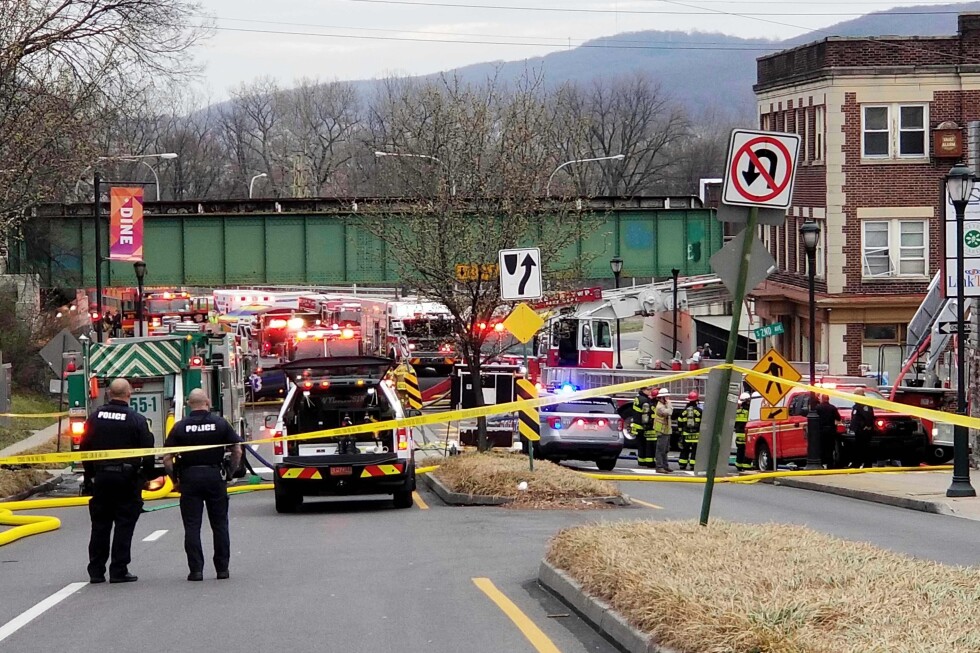
The devastating March 2023 blast destroyed the factory building and a nearby apartment complex, resulting in approximately $42 million in property damage. Beyond the seven fatalities, ten people suffered injuries, with four sustaining serious harm, according to commission documents.
UGI responded with a statement acknowledging the “heartbreaking tragedy” and expressing sympathy to victims’ families and the West Reading community. The company emphasized its commitment to safety, though regulators are pushing for substantial operational improvements.
The explosion, which occurred about 60 miles northwest of Philadelphia, has been traced to a faulty plastic service part in the street near the chocolate manufacturing facility. Investigators determined that gas leaked underground into the factory building before igniting.
Patricia Borges, who survived the explosion, recounted her harrowing experience to The Associated Press last year. She described how flames engulfed both the building and her arm before the floor collapsed beneath her. Borges fell into a vat of liquid chocolate, which extinguished the fire on her arm but left her with a broken collarbone and fractured heels. She spent nine agonizing hours waiting for rescue, screaming for help as firefighters battled the inferno.
The National Transportation Safety Board, which conducted its own investigation, previously determined the facility lacked proper natural gas emergency procedures that could have prompted an immediate evacuation. Multiple workers reported smelling gas before the explosion occurred, a critical warning sign that apparently went unaddressed.
Pennsylvania’s utility regulator is now calling for UGI to implement several safety enhancements. These include expanding the deployment of remote methane detection technology, increasing inspection frequency for older plastic pipe fittings, and strengthening emergency response protocols.
The $2.6 million penalty request represents one of the larger civil fines sought by the commission in recent years, reflecting the severity of the incident and alleged regulatory failures. The case will now proceed before an administrative law judge, who will determine whether the proposed penalties and corrective measures are appropriate.
UGI, headquartered in Denver, Pennsylvania, used its statement to emphasize public safety awareness, urging customers to evacuate immediately if they detect gas odors. The company advised maintaining a distance of at least 360 feet before calling emergency services or UGI’s dedicated hotline at 800-276-2722.
This incident highlights ongoing safety concerns within the natural gas distribution industry. Aging infrastructure, particularly plastic components that can deteriorate over time, presents significant challenges for utility companies nationwide. The Pennsylvania case may establish important precedents for how regulators address such vulnerabilities moving forward.
The West Reading explosion also underscores the critical importance of emergency preparedness in industrial settings. Had proper gas leak protocols been established and followed at the R.M. Palmer facility, the catastrophic loss of life might have been prevented.
For the West Reading community, the regulatory action represents a step toward accountability, though it comes too late for the seven workers who lost their lives. The case will likely continue through administrative proceedings for months before a final resolution is reached.
Fact Checker
Verify the accuracy of this article using The Disinformation Commission analysis and real-time sources.

14 Comments
This is a tragic incident that highlights the need for rigorous safety protocols in industrial facilities. It’s concerning to see such a severe penalty sought, but it’s important that regulators hold companies accountable for safety violations that put lives at risk.
You’re right, public safety has to be the top priority. Hopefully this case leads to meaningful improvements in gas infrastructure monitoring and response procedures to prevent future disasters.
A $2.6 million penalty is substantial, but the magnitude of the loss and damage in this case appears to justify the severity of the regulators’ response. Clearly more needs to be done to ensure the safety of workers and the public around industrial facilities.
You make a fair point. The scale of the tragedy here seems to demand a strong regulatory response to drive home the importance of safety protocols. Hopefully this leads to meaningful changes industry-wide.
This is a heartbreaking tragedy, and my condolences go out to the victims’ families and the local community. While no amount can make up for the lives lost, the hefty fines sought by regulators seem warranted given the scale of the disaster.
Absolutely. Violations of safety standards that directly contribute to such a catastrophic event need to be met with serious consequences. Hopefully this serves as a wake-up call for the industry.
It’s heartbreaking to see the human toll of this explosion, and my sympathies go out to the victims’ loved ones. While the financial penalties may seem severe, they are likely necessary to compel the company to make substantial safety improvements and prevent future disasters.
Agreed. Protecting worker and public safety has to be the top priority, even if it means imposing substantial fines on companies that fail to uphold their duty of care. Hopefully this leads to meaningful change in the industry.
It’s distressing to see such a tragic loss of life due to what appears to be a preventable incident. While no amount can undo the harm done, the sizable penalties sought by regulators may help deter similar safety lapses in the future.
Agreed. Holding companies fully accountable through meaningful fines is crucial to driving home the need for robust safety measures and inspections. This should serve as a wake-up call for the sector.
Explosions like this can have devastating consequences, both in terms of human lives lost and the immense financial toll. Regulators are right to pursue substantial penalties to send a strong message about the critical importance of operational safety.
I agree, and the $42 million in property damage is staggering. Proper maintenance and vigilance are essential, especially for facilities handling hazardous materials like gas lines.
This is a devastating incident that underscores the critical importance of prioritizing safety in industrial operations. While the penalties may seem steep, the magnitude of the loss of life and destruction warrants a strong regulatory response to drive meaningful change.
You’re absolutely right. Tragedies like this have far-reaching impacts, and regulators need to send a clear message that safety violations with such tragic consequences will not be tolerated.