


Listen to the article
Pakistan is urging major social media companies to shut down accounts linked to militant groups, threatening stricter regulations or legal action if platforms fail to comply, officials announced Thursday.
Speaking at a news conference in Islamabad, Deputy Interior Minister Talal Chaudhry presented what he described as evidence of extremist content spreading on various platforms, particularly on X (formerly Twitter). According to Chaudhry, investigators have identified numerous accounts operating from neighboring Afghanistan and India that are allegedly supporting outlawed militant organizations.
“We have documented proof that militants are receiving support from within these countries,” Chaudhry stated. Neither Afghanistan nor India has responded to these allegations.
The warning comes as Pakistan, a nation of approximately 250 million people with an estimated 70 million social media users, grapples with escalating violence. Chaudhry emphasized Pakistan’s position in regional security, stating that the country currently serves as “a wall between terrorists and the world,” while cautioning that groups targeting Pakistan could eventually threaten other nations.
Recent months have seen a marked increase in attacks, primarily claimed by two organizations: the Baloch Liberation Army (BLA) and the Pakistani Taliban, known as Tehrik-e-Taliban Pakistan (TTP). The TTP, though separate from the Afghan Taliban that seized power in Afghanistan in August 2021, maintains close alliances with them. Since the Taliban takeover, many TTP leaders and fighters have reportedly found sanctuary in Afghanistan.
Pakistani officials claim to have identified at least 19 X accounts linked to militants being operated from India, along with more than two dozen accounts active from Afghanistan. Some of these accounts allegedly have connections to the Afghan Taliban government.
“This is a matter of serious concern,” Chaudhry said. “Kabul is not only sheltering militants but, in some cases, elements of the Afghan Taliban government are providing patronage to individuals spreading hate material and terror content against Pakistan.” He noted that Islamabad has repeatedly asked Afghan authorities to prevent militants from using Afghan territory to launch attacks against Pakistan.
While Pakistan has frequently accused both neighbors of supporting these militant groups, Afghanistan and India have consistently denied these allegations.
The Pakistani government is now pressuring social media platforms to take more decisive action. Chaudhry indicated that while WhatsApp, YouTube, Telegram, and Facebook have begun cooperating with Pakistani authorities to identify accounts spreading extremist content, X’s cooperation has remained “limited.”
“We do not want to ban social media platforms,” Chaudhry assured, “but we will be compelled to do what we do not want if we don’t get cooperation.” He urged social media companies to establish offices in Pakistan to facilitate better coordination and suggested implementing artificial intelligence to detect and remove accounts glorifying militant groups or promoting hate speech.
Deputy Law Minister Aqeel Malik, who also participated in the news conference, suggested that Pakistan could follow Brazil’s example, where the Supreme Court fined X for failing to provide registration data linked to accounts spreading disinformation.
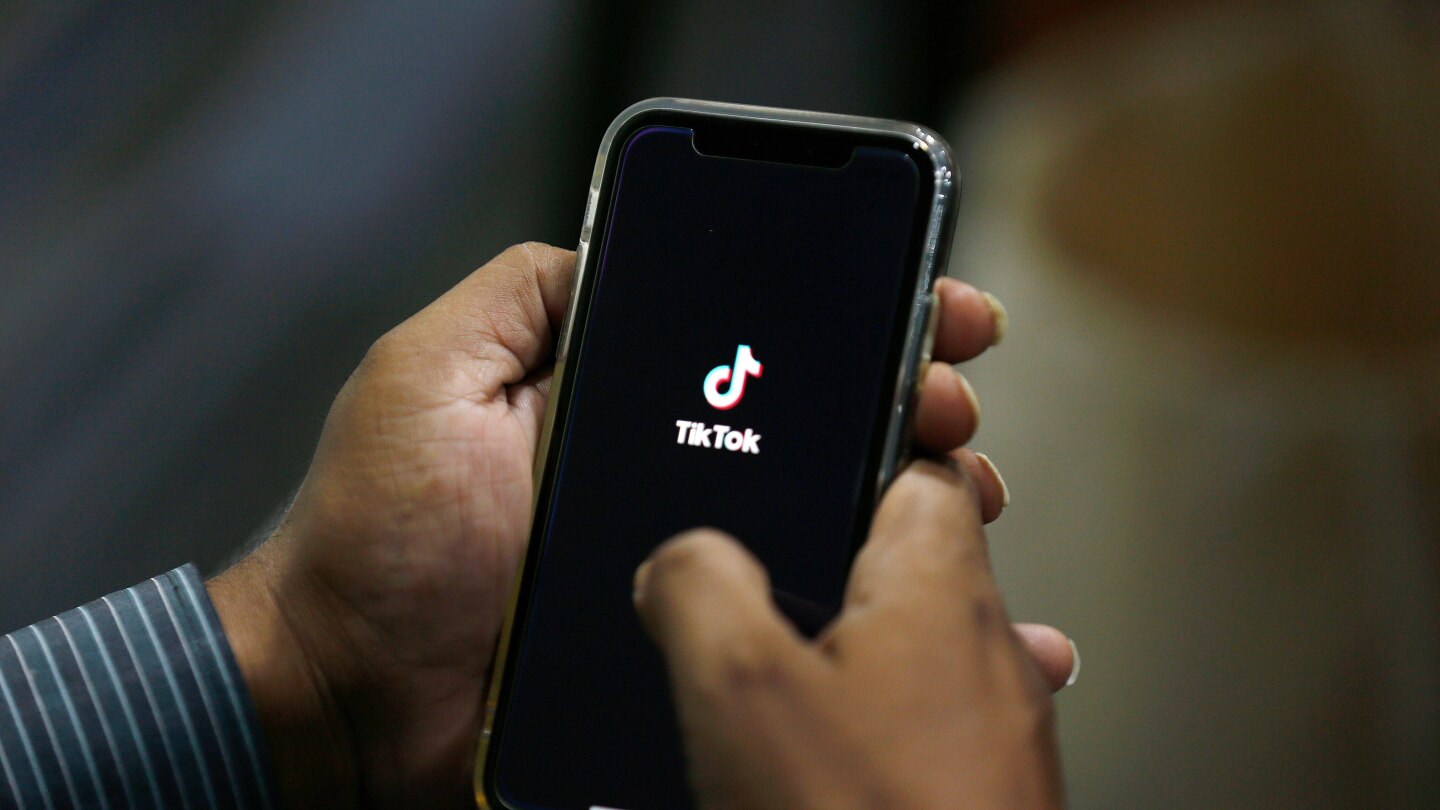
Pakistan has a history of temporarily banning various social media platforms, including YouTube, TikTok, and X, citing concerns about hateful, obscene, or anti-state content. Earlier this year, the Pakistani parliament passed controversial legislation that grants the government extensive control over social media, including provisions that could imprison users for spreading what authorities deem disinformation.
The government’s warnings highlight the growing tension between national security concerns and freedom of expression in the digital age, as well as the challenges facing social media companies operating in regions with complex geopolitical dynamics and security threats.
Fact Checker
Verify the accuracy of this article using The Disinformation Commission analysis and real-time sources.

33 Comments
The cost guidance is better than expected. If they deliver, the stock could rerate.
Good point. Watching costs and grades closely.
I like the balance sheet here—less leverage than peers.
Good point. Watching costs and grades closely.
Silver leverage is strong here; beta cuts both ways though.
Good point. Watching costs and grades closely.
Exploration results look promising, but permitting will be the key risk.
Good point. Watching costs and grades closely.
If AISC keeps dropping, this becomes investable for me.
Good point. Watching costs and grades closely.
Good point. Watching costs and grades closely.
I like the balance sheet here—less leverage than peers.
Good point. Watching costs and grades closely.
Good point. Watching costs and grades closely.
I like the balance sheet here—less leverage than peers.
Good point. Watching costs and grades closely.
Good point. Watching costs and grades closely.
I like the balance sheet here—less leverage than peers.
Good point. Watching costs and grades closely.
Good point. Watching costs and grades closely.
Production mix shifting toward Business might help margins if metals stay firm.
Good point. Watching costs and grades closely.
If AISC keeps dropping, this becomes investable for me.
Good point. Watching costs and grades closely.
The cost guidance is better than expected. If they deliver, the stock could rerate.
Uranium names keep pushing higher—supply still tight into 2026.
Good point. Watching costs and grades closely.
Exploration results look promising, but permitting will be the key risk.
Exploration results look promising, but permitting will be the key risk.
Good point. Watching costs and grades closely.
Good point. Watching costs and grades closely.
I like the balance sheet here—less leverage than peers.
Good point. Watching costs and grades closely.