


Listen to the article
PacifiCorp has reached a $575 million settlement with the federal government to resolve claims related to six devastating wildfires in Oregon and California that occurred in 2020 and 2022, Justice Department officials announced Friday.
The agreement settles allegations that PacifiCorp’s electrical lines negligently sparked four fires in Oregon in 2020 and two fires in California during 2020 and 2022. The substantial payment will fund restoration efforts for approximately 290,000 acres of damaged public land and help reimburse the government for firefighting costs.
“This settlement served the Department’s longstanding policy of holding individuals and corporations responsible for damages caused by wildfires,” said U.S. Attorney Eric Grant of the Eastern District of California in a statement. “Every fire impacting federal lands, no matter the size, is a priority.”
The settlement addresses a critical financial concern for federal land management, as the U.S. Forest Service now dedicates more than half of its annual budget to wildfire suppression activities.
For PacifiCorp, this agreement represents the latest in a series of significant financial settlements stemming from these catastrophic fires. The utility has now settled claims totaling over $2 billion, according to company statements.
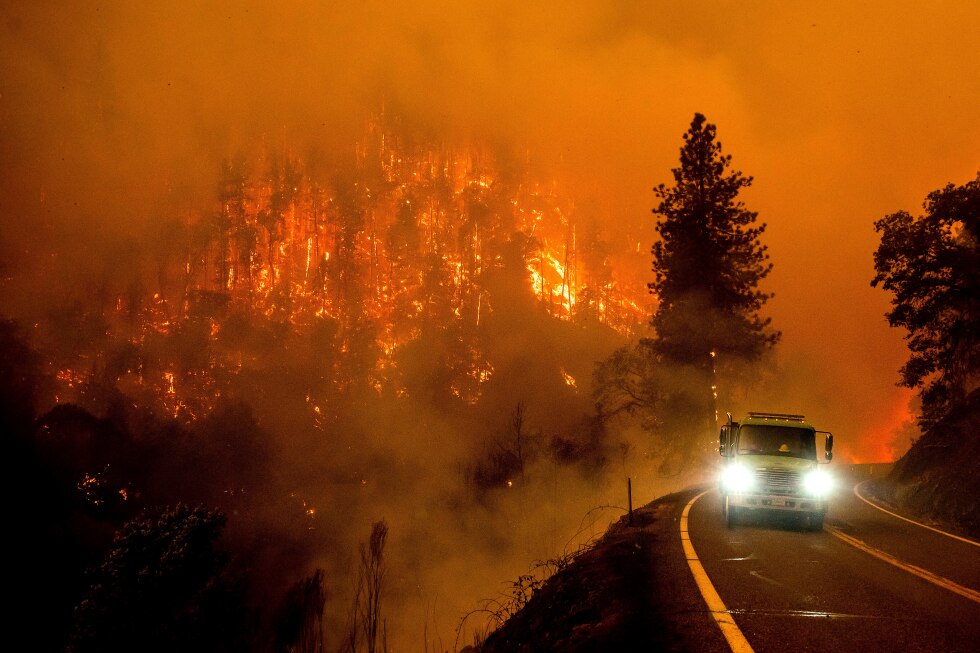
The 2020 Labor Day weekend fires rank among Oregon’s worst natural disasters, claiming 11 lives, destroying thousands of homes, and burning more than a million acres across the state. In California, the 2020 Slater Fire and 2022 McKinney Fire also resulted in multiple fatalities.
PacifiCorp has faced mounting legal challenges over these incidents. In 2023, an Oregon jury found the utility liable for negligently failing to cut power to its 600,000 customers despite explicit warnings from senior fire officials. That verdict, which applied to a class of property owners, determined the company acted negligently and willfully, making it liable for punitive and other damages.
The litigation continues to unfold, with more than a thousand class members awaiting trials scheduled for 2026 and 2027. Meanwhile, PacifiCorp is appealing the class action decision through state court.
The financial strain from these wildfire liabilities has forced PacifiCorp to take significant corporate actions. Earlier this week, the company announced plans to sell its wind and natural gas generation assets in Washington state to Portland General Electric Company for $1.9 billion.
Darin Carroll, PacifiCorp’s CEO, characterized the sale as a move to “improve the company’s financial stability while simplifying our operations” and ensure reliable service for Washington customers. The transaction represents a strategic shift as the utility grapples with the considerable financial obligations resulting from the wildfire settlements.
Despite being owned by Warren Buffett’s Berkshire Hathaway, which holds cash reserves exceeding $382 billion, PacifiCorp has been expected to manage its own financial obligations. Greg Abel, the executive who previously led Berkshire’s utility unit and now serves as Berkshire’s CEO, has maintained this approach to PacifiCorp’s financial challenges.
The settlement underscores the growing financial risks utilities face in an era of climate change and increasingly severe wildfire seasons. Power companies across the western United States are confronting difficult decisions about infrastructure maintenance, vegetation management, and power shutoff protocols during high-risk weather conditions.
As climate patterns continue to create more dangerous fire conditions, the settlement may signal a new standard for utility accountability in wildfire prevention and response. The financial consequences of these incidents highlight the critical importance of proactive risk management for power providers operating in fire-prone regions.
Fact Checker
Verify the accuracy of this article using The Disinformation Commission analysis and real-time sources.

16 Comments
This settlement serves as a wake-up call for the energy industry. Utilities must prioritize safety and take proactive steps to prevent ignitions, even if it means significant investments in their infrastructure and operations.
Agreed. The costs of inaction are simply too high, both financially and in terms of the environmental and human toll. Utilities have a responsibility to be good corporate citizens.
While the $575 million payout is substantial, it’s important to remember that the true cost of these wildfires extends far beyond just the financial impact. The long-term ecological and community-level damages are immeasurable.
This case underscores the need for rigorous oversight and accountability in the energy sector. Utilities must be held responsible for the environmental and public safety impacts of their operations.
The scale of this payout highlights the immense costs of wildfire damage. It will be crucial to see how the funds are used to restore affected public lands and support community recovery efforts.
The sheer scale of this settlement highlights the immense financial burden that wildfires place on governments and utility companies. Reducing these risks should be a top priority for policymakers and industry leaders.
Absolutely. Investing in grid modernization, vegetation management, and fire prevention technologies will be critical to mitigating these costly disasters in the future.
Curious to see how PacifiCorp will improve its electrical infrastructure and vegetation management to prevent future ignitions. Investing in resilient grid systems is crucial for mitigating wildfire risk.
Good point. Utilities need to be proactive in hardening their networks and working closely with forestry authorities to manage vegetation around power lines.
This settlement underscores the mounting financial and legal risks utilities face from wildfires. I wonder if this will spur more investment in renewable energy and microgrids to reduce reliance on aging fossil fuel infrastructure.
That’s an interesting perspective. Transitioning to more distributed, renewable energy sources could make the grid more resilient and reduce wildfire ignition risks.
This is a significant settlement, highlighting the immense costs and environmental damage caused by wildfires. Holding utility companies accountable for negligence is crucial to incentivize better safety practices and protect vulnerable communities.
I agree, these wildfires have had devastating consequences. The $575 million payout will go a long way towards restoration and reimbursing firefighting efforts.
It’s good to see the federal government pursuing these claims and holding PacifiCorp accountable. Wildfires have far-reaching impacts, and it’s important that responsible parties are made to pay for the damage.
While this settlement is substantial, it’s important to remember that no amount of money can fully compensate for the loss of life, homes, and ecosystems that these wildfires have caused. Ongoing vigilance and proactive prevention measures are essential.
Well said. Preventing future wildfires through improved utility practices and land management should be the top priority, even as we work to restore what has been lost.