


Listen to the article
New York Hospital Nurses End Strike, Approve New Contract
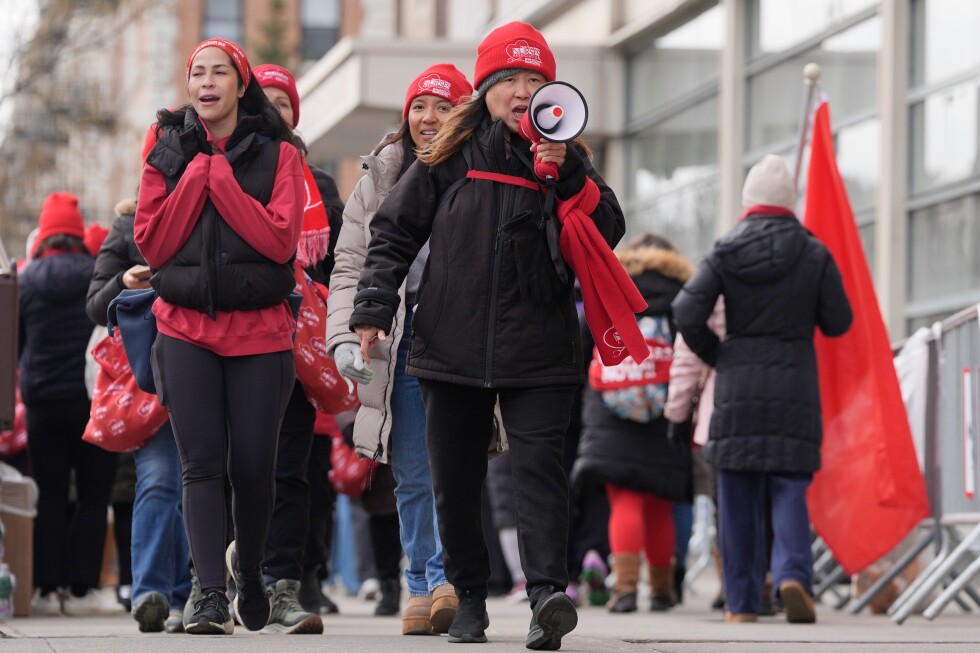
Nurses at NewYork-Presbyterian hospital system voted overwhelmingly to approve a new three-year contract on Saturday, ending a major nursing strike that had stretched for more than a month. The agreement brings relief to one of New York City’s largest healthcare networks and concludes the last of several recent nursing walkouts at major private hospitals in the city.
According to the New York State Nurses Association (NYSNA), 93% of its members at NewYork-Presbyterian supported the ratification. More than 4,000 nurses had walked off the job on January 12, joining what initially began as a broader labor action involving approximately 15,000 nurses across three major private hospital systems in New York City.
“We are so happy with the wins we achieved, and now the fight to enforce these contracts and hold our employers accountable begins,” said NYSNA President Nancy Hagans in a statement released Saturday.
The newly ratified agreement includes significant improvements to working conditions that nurses had been advocating for during negotiations. Key provisions include staffing enhancements, salary increases exceeding 12% over the three-year term, and protections regarding the implementation of artificial intelligence in healthcare settings – an increasingly important concern for healthcare workers facing technological change.
NewYork-Presbyterian expressed relief at the conclusion of the strike, noting in a statement that the contract “reflects our respect for our nurses and the critical role they play as part of our exceptional care teams.” The hospital administration added that they look forward to welcoming their nursing staff back to work in the coming week.
This agreement follows similar recent settlements at Montefiore and Mount Sinai hospital systems, where nurses represented by the same union had also been on strike before reaching agreements earlier this month. The series of work stoppages has highlighted growing tensions in New York’s healthcare sector over staffing levels, workloads, and benefits.
Throughout the strike, the affected hospital systems implemented contingency plans to maintain patient care, including hiring thousands of temporary replacement nurses, transferring some patients, and rescheduling certain procedures. While hospital administrators consistently maintained that they were delivering adequate care, including complex surgical procedures, some patients and their families reported delays in routine care during the work stoppage.
The labor dispute centered on several key issues beyond wages. Striking nurses had consistently complained about unmanageable patient loads that they claimed compromised quality care. They also expressed concerns about what they perceived as attempts by hospital management to reduce their health benefits. Hospital administrators had disputed these characterizations and described some union demands as financially unrealistic.
This is not the first time these hospital systems have faced labor actions. In 2023, nurses at some Mount Sinai and Montefiore facilities staged a walkout that lasted three days before an agreement was reached. The significantly longer duration of the current strike at NewYork-Presbyterian indicates the complexity and contentiousness of the issues involved.
The resolution of this strike comes at a critical time for New York’s healthcare system, which continues to face challenges including staffing shortages, high operational costs, and ongoing recovery from the financial and operational impacts of the COVID-19 pandemic. Healthcare industry analysts note that these labor agreements may influence similar negotiations at other hospitals across the region and country, as healthcare workers nationwide continue to advocate for improved working conditions and staffing ratios.
Nurses are expected to begin returning to work at NewYork-Presbyterian facilities throughout the coming week, gradually restoring normal operations across the system.
Fact Checker
Verify the accuracy of this article using The Disinformation Commission analysis and real-time sources.

10 Comments
Staffing enhancements and over 12% pay raises are significant wins for the nurses. It’s crucial that hospitals invest in their frontline healthcare workers, who have shouldered so much during the pandemic.
Couldn’t agree more. Nurses are the backbone of our healthcare system and should be compensated accordingly. This contract seems like a step in the right direction.
Great to hear the NYC nursing strike has ended with a new contract that addresses the key issues nurses were advocating for. Improved working conditions and fair compensation are so important for retaining and attracting top healthcare talent.
Absolutely. Nurses deserve to be treated and paid well for the critical work they do. Glad the parties were able to reach an agreement that works for both sides.
The 93% ratification rate suggests the nurses are largely satisfied with the new contract terms. It’s good to see the negotiation process ultimately produced an outcome that works for both the hospital system and its nursing staff.
Definitely a positive sign that the vast majority of nurses approved the new agreement. Collaborative negotiations that address both sides’ key concerns are ideal for reaching sustainable labor solutions.
Ending a high-profile strike like this is a relief for patients and the broader healthcare system in NYC. Now the focus can shift to enforcing the contract terms and maintaining positive labor relations going forward.
Absolutely, the next phase will be critical to ensure the contract commitments are upheld. Ongoing open communication and good faith from both sides will be essential.
It will be interesting to see if this agreement sets a precedent for other major hospital systems facing nursing shortages and labor unrest. Hopefully it demonstrates a path forward for productive negotiations in the healthcare sector.
That’s a great point. This could become an important benchmark for how hospitals and nurses can find common ground, especially in large metropolitan areas facing workforce challenges. A collaborative approach seems to have paid off here.