


Listen to the article
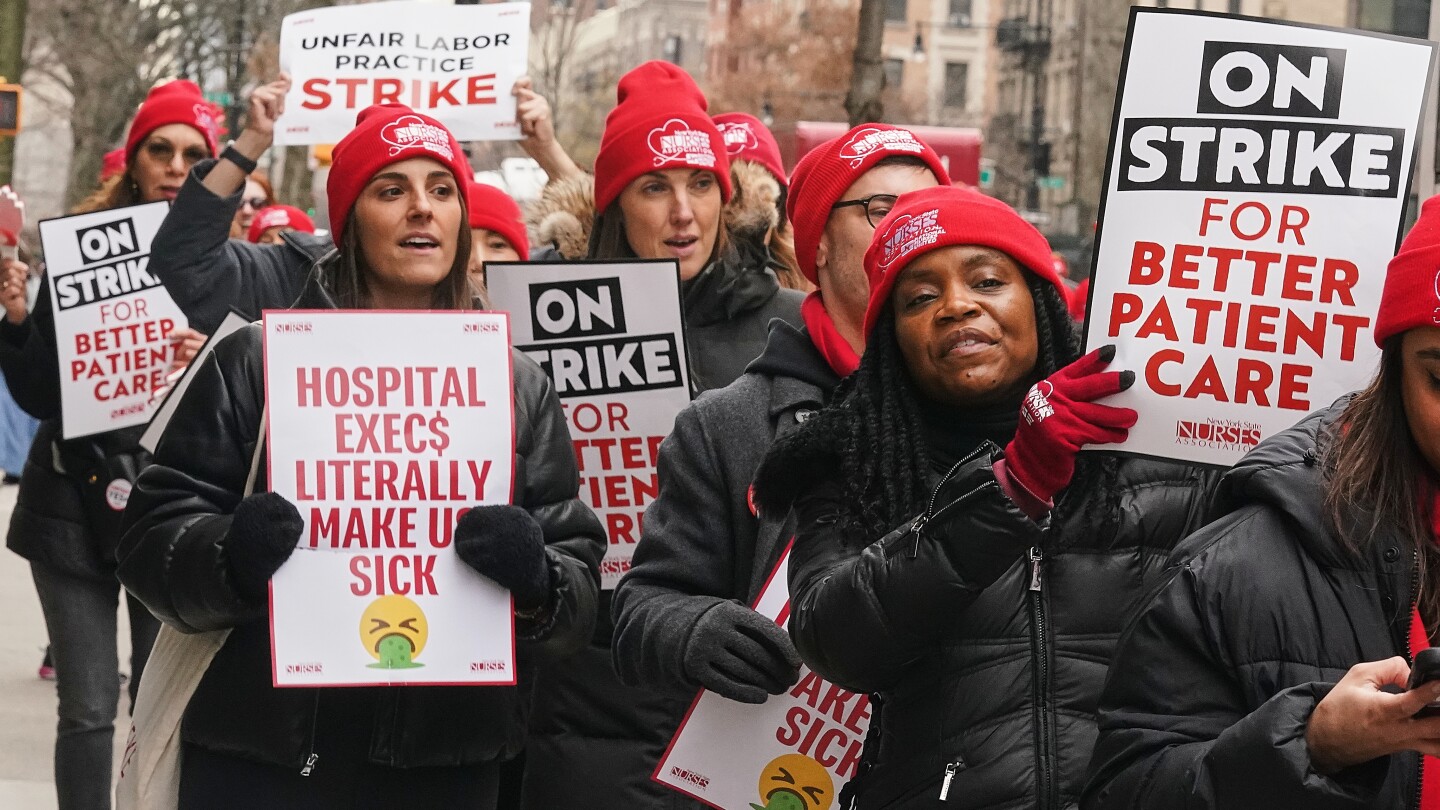
In a significant development for New York City’s healthcare sector, negotiations between striking nurses and hospital administrators resumed Thursday, potentially signaling progress toward ending the city’s largest nursing strike in decades.
The New York State Nurses Association confirmed that bargaining representatives met with counterparts at NewYork-Presbyterian late Thursday, marking the fourth day of the walkout. Union officials are scheduled to continue discussions with Mount Sinai and Montefiore hospitals on Friday, though some facilities have reportedly not yet agreed to return to the negotiating table.
This marks the first time the opposing sides have met since Sunday, just before approximately 15,000 unionized nurses began their strike. Each medical center is conducting independent negotiations with the union, with not all hospitals within the three healthcare systems affected by the work stoppage.
The hospitals have hired thousands of temporary nurses to maintain operations in emergency rooms and other critical departments during the strike.
At the heart of the dispute are nurses’ demands for protected healthcare benefits and contract provisions addressing adequate staffing levels and workplace safety. Violence against healthcare workers has emerged as a particular concern among striking nurses.
“I’ve been scratched in the face. I have been bitten in multiple places. I have been kicked in the ribs where it leaves bruises, spit on, pushed, punched, sexually assaulted — you name it,” said Sheryl Ostroff, a Mount Sinai nurse, during a union rally Thursday. “It’s not acceptable, and we want our hospitals to protect us. Why is that a hard ask?”
Hospital administrators maintain that the union’s compensation demands are financially unsustainable. Mount Sinai claims the proposals would increase the average annual nursing salary from approximately $162,000 to nearly $250,000 over three years, while Montefiore suggests salaries would rise to $220,000. The union has dismissed these figures as “outlandish math” but has not provided alternative calculations.
NewYork-Presbyterian issued a statement Thursday expressing commitment to continued negotiations. “We are committed to keep negotiating for a fair and reasonable contract that reflects our deep respect for our nurses and the critical role they play, and also recognizes the challenging realities of today’s healthcare environment,” the hospital said.
Union leaders held a rally Thursday alongside elected officials and members of other major city labor unions in front of Mount Sinai’s Morningside campus, which the union says has not agreed to resume contract talks.
Simone Way, a nurse at Mount Sinai Morningside, expressed frustration over longstanding staffing concerns. “We have sounded the alarm for years about proper staffing levels, but administrators have refused to listen,” she said at the rally. “It is incredibly hard to deliver the level of care our patients deserve. There are limits to what good nurses can do.”
The labor dispute has grown increasingly contentious. Brendan Carr, Mount Sinai’s CEO, released a video Thursday alleging that union nurses who chose to work rather than strike have faced harassment and intimidation. “Bullying, intimidating and threatening devalues nurses, undermines our culture, and is not consistent with our values at Mount Sinai,” Carr stated. The union has rejected these claims as “baseless.”
The union has also filed a federal complaint against Mount Sinai for allegedly terminating three nurses just before the strike began.
In a separate development that may provide a blueprint for resolving the New York City dispute, the union confirmed that its member nurses on Long Island ratified new contracts Thursday with Northwell Health, New York State’s largest health system. These agreements, which averted strikes at three Long Island hospitals, include approximately 5% annual raises over the three-year contract period.
The ongoing strike represents a critical moment for healthcare labor relations in New York City, as both sides navigate complex negotiations amid growing concerns about staffing shortages and workplace conditions in the post-pandemic healthcare landscape.
Fact Checker
Verify the accuracy of this article using The Disinformation Commission analysis and real-time sources.

11 Comments
Strikes can be disruptive, but I’m glad to see the two sides returning to the negotiating table. Hopefully they can find a compromise that works for both the nurses and the hospitals.
This strike highlights the ongoing challenges healthcare workers face, especially in high-cost urban areas. I’m curious to see if the hospitals can meet the nurses’ demands without significantly impacting costs and patient access.
The union’s demands for protected benefits and adequate staffing seem reasonable, but the hospitals will need to balance those requests against their own operational needs.
The nursing shortage is a major issue nationwide, and this strike reflects the challenges in New York. I hope the hospitals can offer competitive compensation and benefits to retain and attract qualified nurses.
Maintaining adequate staffing levels is crucial for patient safety and care quality. The hospitals will need to carefully consider the union’s proposals on this front.
Interesting to see the nurses and hospitals resuming negotiations. Resolving this strike will be crucial for patient care in NYC. I hope both sides can find common ground on staffing levels and benefits.
The hospitals hiring temporary staff to maintain operations during the strike is a pragmatic move, but it’s important the permanent nurses’ concerns are addressed fairly.
The negotiations between the nurses and hospitals will be closely watched, as the outcome could have implications for the healthcare industry beyond New York City. I hope both sides can find a mutually beneficial agreement.
It’s good to see the negotiations resuming, as prolonged strikes can be harmful for patient care. I’m curious to see if the two sides can reach an agreement that satisfies the nurses’ demands without overly burdening the hospitals.
This strike is a reminder of the essential role nurses play in our healthcare system. I hope the hospitals can work constructively with the union to address the nurses’ concerns and find a resolution.
Maintaining operations with temporary staff is a short-term solution, but the hospitals will need to find a more sustainable way to support their permanent nursing workforce.