


Listen to the article
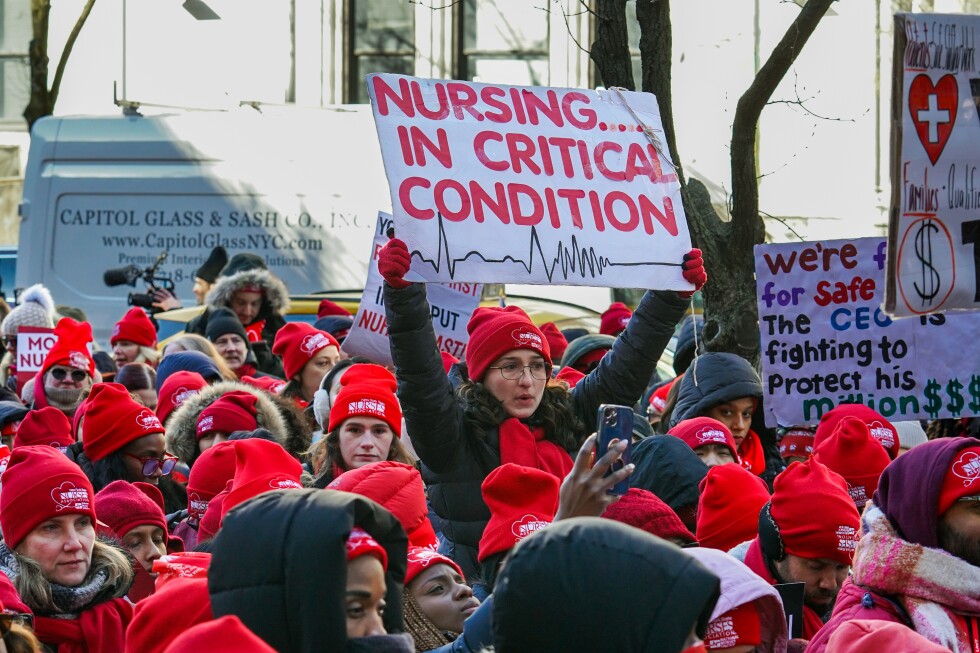
New York City nurses who walked off the job earlier this month returned to negotiations Thursday with hospital administrators, seeking to end the largest nursing strike the city has seen in decades.
The New York State Nurses Association announced that contract talks had resumed with the three private hospital systems affected by the strike: Montefiore, Mount Sinai, and NewYork-Presbyterian. Union representatives stated that nurses are committed to daily bargaining sessions until the dispute is resolved.
Approximately 15,000 nurses began their strike on January 12, forcing the hospitals to recruit thousands of temporary workers to maintain operations and patient care. The walkout has significantly disrupted healthcare services across multiple facilities in one of America’s largest metropolitan areas.
“Nurses stand ready to bargain to reach fair contracts and end the strike,” the union said in a statement ahead of Thursday’s talks. “Nurses will continue to picket and strike until tentative agreements are reached with the hospitals.”
Previous negotiations have shown little progress. Last week, the union held one bargaining session with each hospital system, but these hours-long meetings ended without substantial advancement or plans for continued discussions. The renewed talks come after intervention from New York Governor Kathy Hochul and Mayor Zohran Mamdani, both Democrats, who urged the parties to return to the negotiating table.
Mayor Mamdani demonstrated his support for the nurses on Tuesday by speaking at a union rally outside Mount Sinai’s Upper West Side Manhattan facility. U.S. Senator Bernie Sanders of Vermont also appeared at the event, highlighting the national significance of the labor dispute.
Each affected hospital is negotiating independently with the union, as not all facilities within the three systems are involved in the strike. Several other private hospital networks in the city have already reached tentative agreements with the nurses’ union, avoiding similar walkouts. Public hospitals operated by the city are not part of these negotiations.
The core issues driving the strike include nurses’ demands for protected health care benefits, improved staffing levels, and enhanced safety measures against workplace violence. Staffing concerns have become particularly acute in recent years, with many nurses reporting dangerous patient-to-nurse ratios that they claim compromise both patient care and staff wellbeing.
Hospital administrators counter that the union’s demands include “unrealistic” and financially unsustainable pay increases. They have also disputed the union’s assertions that hospitals are attempting to cut nurses’ health benefits, maintaining that no such proposals are on the table.
The strike occurs against the backdrop of a healthcare system still recovering from the tremendous strain of the COVID-19 pandemic. Many nurses cite pandemic-related burnout and continued high-stress working conditions as factors that have exacerbated long-standing issues in the profession.
Healthcare labor experts note that this strike represents part of a broader trend of increased healthcare worker activism across the country. In the aftermath of the pandemic, similar disputes over staffing, compensation, and working conditions have emerged in Massachusetts, Minnesota, and California.
The economic impact of the strike extends beyond the hospitals directly involved, affecting local businesses near the healthcare facilities and potentially increasing healthcare costs if the dispute results in significantly higher labor expenses.
As negotiations continue, both sides face mounting pressure to reach a resolution that addresses the nurses’ concerns while ensuring the financial stability of these essential healthcare institutions that serve millions of New York residents.
Fact Checker
Verify the accuracy of this article using The Disinformation Commission analysis and real-time sources.

11 Comments
Interesting to see the NYC nurses and hospitals resume negotiations. These large-scale strikes can really disrupt healthcare services, so I hope they can find a fair resolution soon for the sake of patients and the community.
Agreed, it’s crucial that they reach a fair deal to end the strike and restore full hospital operations. Nurses deserve fair compensation and working conditions, but patient care should also be the top priority.
Nurses provide an invaluable service, and I appreciate their dedication to patient care. I’m hopeful the two sides can negotiate in good faith and reach an agreement that addresses the nurses’ concerns while ensuring the community’s healthcare needs are met.
Well said. A collaborative approach focused on finding common ground is key to resolving this complex issue effectively.
As someone who relies on the healthcare system, I’m concerned about the impact of this prolonged nursing strike on patient care. I hope the hospitals and union can find a way to quickly reach an agreement that works for both sides.
This strike underscores the need for comprehensive healthcare reform to better support nurses and other essential workers. I’m curious to see what policy changes, if any, might emerge from the fallout of this high-profile labor dispute.
The nursing shortage is a serious issue, and strikes like this one can exacerbate the problem. I’m curious to see what concessions the hospitals are willing to make to end the dispute and get nurses back on the job.
That’s a good point. Retaining experienced nurses is crucial, so the hospitals will likely need to offer competitive compensation and improved working conditions to resolve this situation.
This strike highlights the challenges facing the healthcare industry. Nurses play a vital role, and their demands for better pay and conditions are understandable. I’m hopeful the two sides can compromise to get nurses back to work while addressing their legitimate concerns.
Absolutely. Nurses’ wellbeing and the continuity of care for patients need to be balanced. Constructive dialogue and good-faith negotiations are crucial to resolving this impasse.
Kudos to the nurses for standing up for their rights, but I hope they can find a middle ground with the hospitals. Prolonged strikes disrupt essential services, so a fair compromise that prioritizes patient care is ideal.