


Listen to the article
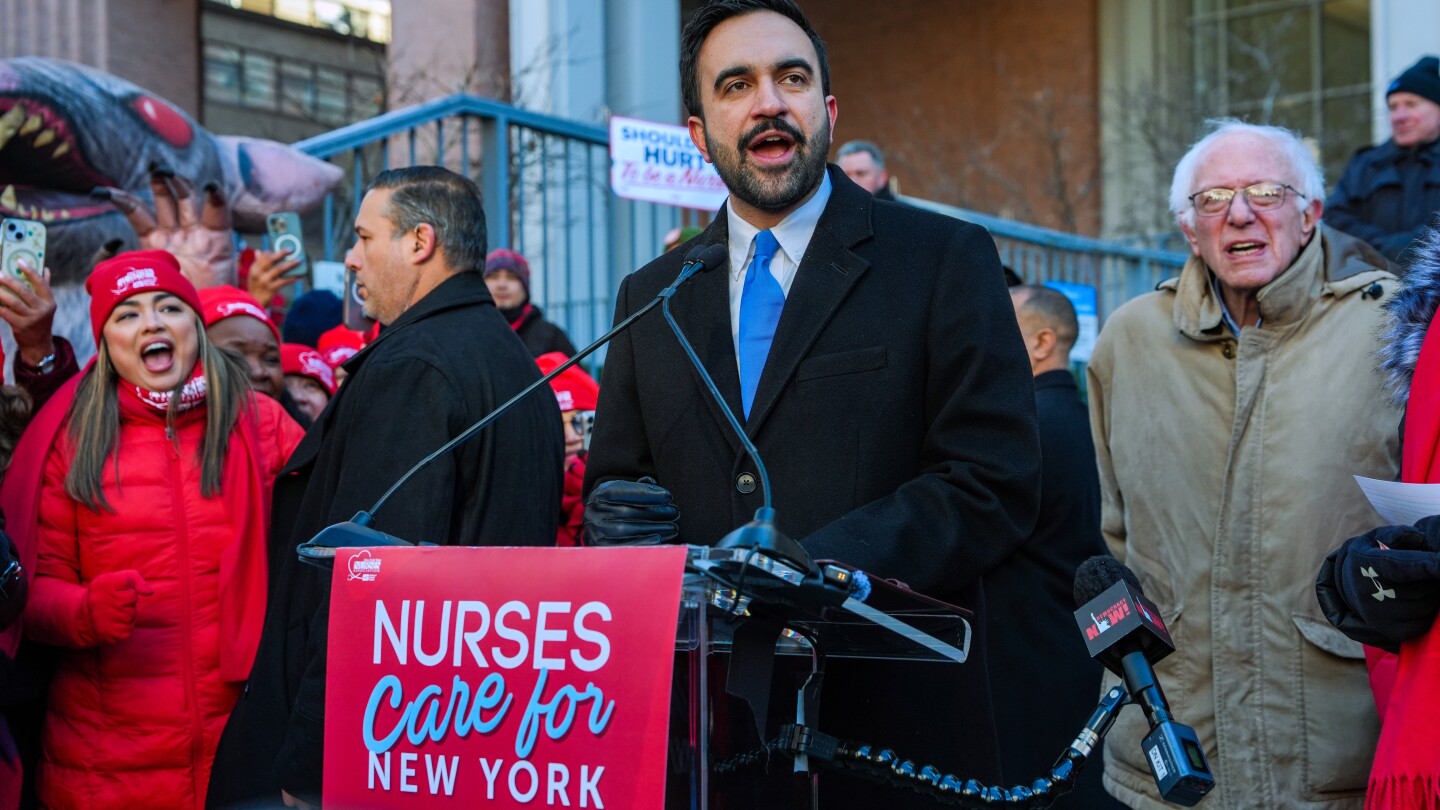
New York City Mayor Zohran Mamdani and U.S. Senator Bernie Sanders joined thousands of striking nurses in Manhattan on Tuesday, marking the ninth day of what has become the largest nursing strike in the city’s recent history.
The two democratic socialists addressed an energetic crowd of healthcare workers outside Mount Sinai West on the Upper West Side, urging hospital executives to resolve the contract dispute that has led approximately 15,000 nurses to walk off their jobs since January 12.
“The people of this country are sick and tired of the greed in this health care industry,” declared Sanders, the Vermont senator and Brooklyn native, as he criticized the multimillion-dollar salaries earned by CEOs at the affected hospital systems.
Mamdani echoed this sentiment, telling the assembled nurses, “Now is your time of need, when we can assure that this is a city you don’t just work in, but a city you can also live in.”
The New York State Nurses Association (NYSNA) reports having held just one bargaining session with each of the three affected hospital systems—Mount Sinai, Montefiore, and NewYork-Presbyterian—since the strike began. These lengthy meetings have reportedly yielded little progress, and no additional negotiations are currently scheduled for this week.
“They offered us nothing. It was all performative,” said Jonathan Hunter, a Mount Sinai registered nurse who serves on the union’s negotiating team.
The most recent talks occurred Sunday evening with Montefiore officials, following earlier sessions with Mount Sinai on Friday and NewYork-Presbyterian on Thursday. Hospital administrators have indicated they will follow the guidance of contract mediators regarding when to resume negotiations with union representatives.
At the heart of the dispute are conflicting views on compensation and benefits. The hospitals claim the union is requesting pay raises amounting to a 25% salary increase over three years—a proposal they consider unreasonable given that their nurses already rank among the highest-paid in the city.
“NYSNA’s demands ignore the economic realities of healthcare in New York City and the country,” NewYork-Presbyterian stated Tuesday, pointing to federal Medicaid cuts and rising operational costs across the healthcare sector.
The nurses, however, maintain that their primary concerns extend beyond wages to include staffing levels and healthcare benefits. Outside Mount Sinai West on Tuesday morning, nurses and supporters marched in cold weather, chanting “one day longer, one day stronger” as supportive taxi drivers honked their horns in solidarity.
Nicole Rodriguez, a nurse at Mount Sinai West who suffers from an autoimmune disease, emphasized that preserving healthcare benefits is her most significant concern. “If my son is not well, I’m not well, and I can’t be at the bedside and be the nurse I want to be,” she explained. “I hope management opens their eyes to how much support we have out here, and they see that they need to reach into their pockets and give the nurses their health care.”
While the union alleges that hospitals are seeking to reduce nurses’ benefits, hospital administrators counter that they have proposed maintaining current employer-funded benefits, which they claim exceed what most private employees receive.
Despite the walkout, the affected hospitals report that their medical operations are continuing normally. They have recruited thousands of temporary nurses to cover shifts and have made financial commitments to extend these temporary workers’ employment during the strike.
“Everyone who has come to work—including many who have gone above and beyond to support the operational response—is helping to save lives,” said Brendan Carr, CEO of Mount Sinai, in a Monday statement to staff.
The strike comes amid growing labor activism in the healthcare sector nationwide, with nurses increasingly voicing concerns about working conditions, staffing ratios, and burnout following the pressures of the COVID-19 pandemic. Industry analysts note that hospital systems face their own financial challenges, including inflation, supply chain disruptions, and the lingering economic impact of the pandemic.
As the strike continues into its second week, the impact is being closely watched by healthcare providers and labor organizations across the country, potentially signaling a new phase in healthcare labor relations as the industry continues to navigate post-pandemic adjustments.
Fact Checker
Verify the accuracy of this article using The Disinformation Commission analysis and real-time sources.

7 Comments
Interesting to see political leaders like Mamdani and Sanders rally with the striking nurses. This highlights the broader labor issues at play beyond just the contract dispute. It will be crucial for the hospitals and nurses to find common ground and resolve this impasse soon.
The nursing shortage is a major concern across the healthcare industry. While the striking nurses’ demands seem reasonable, I hope both sides can compromise to end this disruption and ensure patients continue receiving quality care.
Nurses play a vital role in our healthcare system, and they deserve fair compensation and working conditions. I hope the hospital executives heed the calls from political leaders and the public to resolve this dispute constructively.
This strike highlights the tension between profit motives and patient care in the US healthcare system. I’m interested to see if the involvement of high-profile politicians like Mamdani and Sanders helps break the impasse.
This strike is yet another example of the challenges facing the US healthcare system – balancing the needs of workers, patients, and profit-driven institutions. I’m curious to see what specific policy changes Mamdani and Sanders propose to address these systemic issues.
It’s heartening to see politicians like Sanders stand in solidarity with essential workers like these nurses. Addressing healthcare worker burnout and ensuring adequate staffing levels should be a top priority for policymakers.
Nurses have been on the frontlines of the pandemic, putting their lives at risk to care for others. They deserve to be treated with respect and have their concerns addressed. I hope this strike leads to meaningful reforms.