


Listen to the article
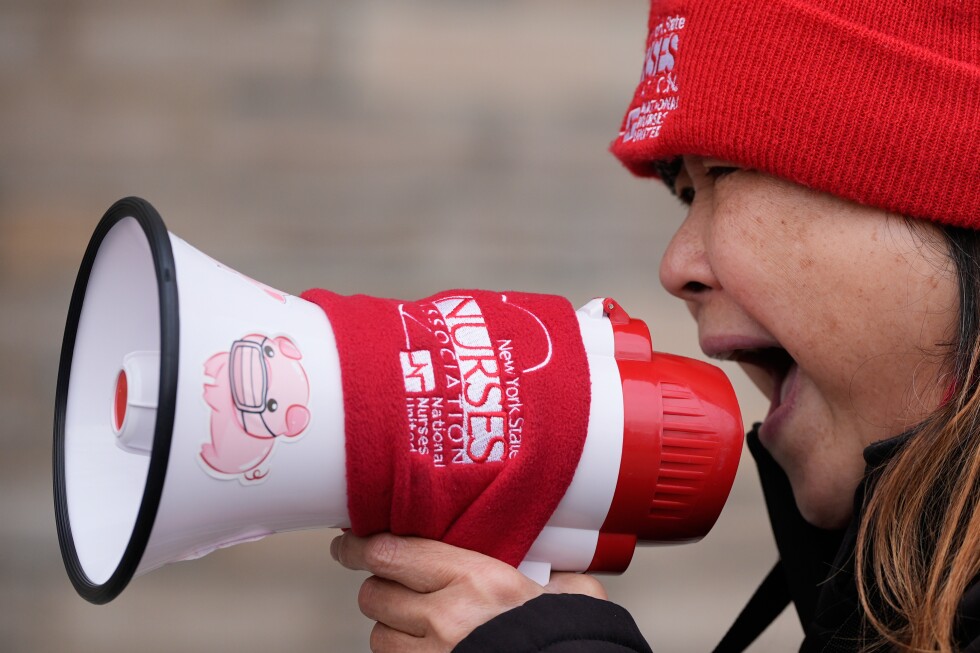
New York City’s largest nursing strike in decades appears to be nearing its conclusion after the New York State Nurses Association and NewYork-Presbyterian reached a tentative contract agreement early Friday, potentially ending a more than month-long work stoppage affecting over 4,000 nurses.
The proposed three-year contract includes pay raises exceeding 12%, improvements in staffing levels, and pioneering protections regarding the use of artificial intelligence in healthcare settings. Union members will vote on the proposal Friday and Saturday, with nurses potentially returning to work next week if ratified.
“The wins of our private-sector nurses will improve care for patients, and their perseverance and endurance have shown people worldwide the power of NYSNA nurses,” said Nancy Hagans, the union’s president, highlighting the significance of the agreement. Throughout the strike, nurses maintained picket lines despite bitterly cold winter temperatures.
NewYork-Presbyterian expressed satisfaction with the tentative agreement, stating it “reflects our tremendous respect for our nurses.” The hospital system is the last of three major private healthcare providers to reach a deal with striking nurses.
The unprecedented labor action began on January 12, initially involving nurses from NewYork-Presbyterian, Mount Sinai, and Montefiore hospital systems—approximately 14,500 healthcare workers in total. Nurses at Mount Sinai and Montefiore ratified their contracts on February 11, while NewYork-Presbyterian nurses rejected a similar mediator-proposed agreement at that time.
According to the union, the agreements at all three hospital systems include substantial improvements. Beyond the 12% salary increases, the contracts maintain existing health benefits without cuts or cost increases, strengthen protections against workplace violence, and include various other enhancements for nursing staff.
The prolonged strike created significant challenges for New York’s healthcare infrastructure during a demanding winter illness season. The affected hospital systems hired temporary nurses to maintain operations, though the staffing adjustments raised concerns among patients and their families about continuity and quality of care.
Negotiations between the hospitals and nurses were notably contentious. Hospital administrators characterized the union’s demands as financially unsustainable, while nurses countered that executives earning millions annually were imposing unmanageable patient loads that compromised care quality.
This tension was highlighted earlier this month when an arbitrator awarded nearly $400,000 to nurses at NewYork-Presbyterian’s Morgan Stanley Children’s Hospital who had been required to work under short-staffed conditions in 2023 and 2024. The union presented this decision as validation of the workplace issues that prompted the strike, while NewYork-Presbyterian responded that “safe staffing is always a priority” and noted their hiring of hundreds of additional nurses over the past three years.
The strike’s resolution marks a significant development in healthcare labor relations in New York City. Notably, the inclusion of artificial intelligence safeguards reflects growing concerns among healthcare workers about technology’s role in clinical decision-making and potential impacts on employment.
Not all facilities within the three hospital systems were affected by the strike. Nurses at city-run hospitals weren’t involved in the action, and several other private hospitals reached agreements with the union before the strike deadline, avoiding disruption to their operations.
If ratified, the agreement will conclude what the New York State Nurses Association has described as the largest and longest nursing strike in city history, potentially establishing new standards for nursing contracts in one of the nation’s largest healthcare markets.
Fact Checker
Verify the accuracy of this article using The Disinformation Commission analysis and real-time sources.

8 Comments
Strikes can be disruptive, but this one appears to have achieved meaningful results for the nurses. The pay raises and staffing improvements will go a long way in addressing longstanding issues. Kudos to both sides for reaching a mutually acceptable deal.
Glad to see the nurses and NewYork-Presbyterian reach a tentative deal. The proposed contract with 12%+ pay raises and improved staffing levels is a win for the nurses and will benefit patient care. Kudos to the union for their perseverance during the bitterly cold strike.
Absolutely, the nurses deserve fair compensation and working conditions after their tireless efforts during the pandemic. This agreement sets a good precedent for healthcare workers nationwide.
While the details are still emerging, the tentative contract sounds like a positive outcome for all involved. Nurses deserve fair pay and manageable workloads to provide quality patient care. This agreement appears to address those key issues.
The use of AI in healthcare settings is an interesting development that warrants close scrutiny. I’m curious to learn more about the pioneering protections included in this contract. Ensuring AI is implemented responsibly and safely for both nurses and patients is crucial.
Good point. AI can be a double-edged sword in healthcare. The contract provisions will be important to watch, as they could set important standards for the industry.
This is a significant development in the nursing labor movement. The agreement demonstrates the power of collective action and the value nurses provide. Hopefully, this will inspire other healthcare workers to advocate for better working conditions.
Absolutely. This victory for the New York nurses could motivate similar efforts by nurses and other essential workers across the country.