


Listen to the article
Japan’s Largest Nuclear Reactor Forced to Shut Down Hours After Historic Restart
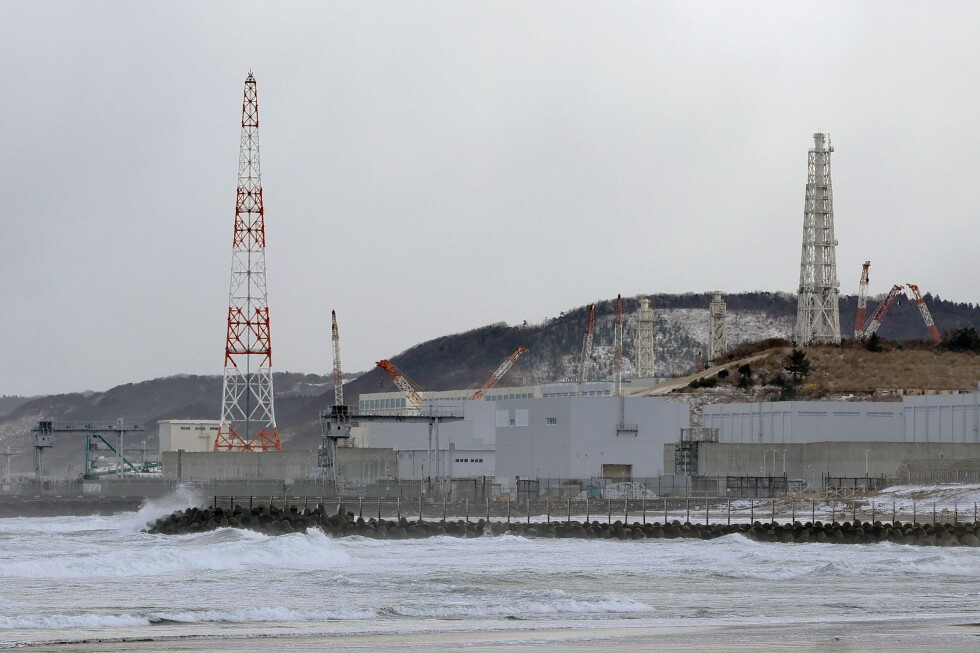
A reactor at the world’s largest nuclear power plant was shut down Thursday due to a technical malfunction, just hours after restarting for the first time since the 2011 Fukushima disaster, according to Tokyo Electric Power Company Holdings (TEPCO).
The No. 6 reactor at the Kashiwazaki-Kariwa plant in north-central Japan had begun operations Wednesday night after a 14-year hiatus. Plant workers had initiated the process by removing neutron-absorbing control rods from the reactor core to start stable nuclear fission.
However, the restart was short-lived. Operations were suspended when an alarm was triggered after only 52 of the 205 control rods had been removed, prompting plant officials to initiate a complete shutdown.
“The equipment is essential to safe operation, and we will examine it inside out,” said Kashiwazaki-Kariwa plant chief Takeyuki Inagaki during a news conference. “The reactor will not be restarted until the cause is found and appropriate measures are taken.”
While TEPCO maintains there were no safety issues resulting from the malfunction, Inagaki acknowledged the investigation and resolution would not be quick. “I don’t think this is going to be resolved in a couple of days,” he said.
The setback represents a significant blow to Japan’s nuclear energy revival efforts. The resource-poor nation has been accelerating its nuclear power program to address growing electricity demands and reduce dependence on imported fossil fuels. Since the 2011 Fukushima disaster, 14 nuclear reactors have resumed operations across Japan, but the Kashiwazaki-Kariwa restart marked the first for a TEPCO-managed facility.
TEPCO’s nuclear operations have been under intense scrutiny since the company also manages the Fukushima Daiichi plant, where multiple reactors experienced meltdowns following the devastating 2011 earthquake and tsunami. The disaster released substantial radioactive contamination, rendering some surrounding areas uninhabitable even today. Government and independent investigations attributed the Fukushima catastrophe to TEPCO’s poor safety culture and inappropriate relationships with regulatory authorities.
The cleanup at Fukushima continues, with costs estimated at 22 trillion yen (approximately $139 billion), while TEPCO works to rebuild public trust and its operational reputation.
The Kashiwazaki-Kariwa plant, located about 220 kilometers (135 miles) northwest of Tokyo, houses seven reactors with a combined capacity of 8 million kilowatts, making it the world’s largest nuclear power facility. However, all units have remained dormant since the year following the Fukushima disaster.
Had the restart been successful, the No. 6 reactor would have generated an additional 1.35 million kilowatts of electricity—enough to power more than one million households in the Tokyo metropolitan region. This capacity represents a crucial component of Japan’s energy strategy as the country faces increasing electricity demands.
TEPCO currently plans to restart only two of the plant’s seven reactors in the coming years, reflecting the cautious approach to nuclear power that has characterized Japan’s energy policy since 2011.
The malfunction and subsequent shutdown highlight the ongoing challenges facing Japan’s nuclear industry as it attempts to regain operational momentum while addressing safety concerns and rebuilding public confidence. Despite rigorous new safety standards implemented after Fukushima, technical issues continue to complicate the nation’s nuclear revival efforts.
Fact Checker
Verify the accuracy of this article using The Disinformation Commission analysis and real-time sources.

10 Comments
The global nuclear industry is closely watching this situation unfold. A successful restart at Kashiwazaki-Kariwa could help bolster confidence, but another setback would be a major blow. TEPCO’s handling of this will have ripple effects.
This is a tricky situation for TEPCO. They need to get the reactor back online to help meet Japan’s energy demands, but they also can’t rush the process and risk another high-profile failure. Careful, methodical work will be essential.
Absolutely. TEPCO will need to strike a delicate balance between urgency and caution as they work to resolve this issue.
This is a significant development for the future of nuclear power in Japan. TEPCO will need to be extremely transparent and accountable as they work to get the reactor back online. The public’s trust is on the line.
You’re right. TEPCO can’t afford any missteps here. They’ll need to demonstrate that they’ve learned from past mistakes and can operate the plant safely and reliably.
I’m curious to see what the investigation uncovers as the root cause of this shutdown. Reliable and safe nuclear power could play an important part in the transition to a low-carbon economy, but incidents like this erode public confidence.
The nuclear industry faces an uphill battle in many countries, so incidents like this only add to the public skepticism. TEPCO will need to be extremely diligent and transparent as they work to resolve this latest technical issue.
You make a good point. The nuclear industry can’t afford any missteps if it hopes to maintain its role in the global energy mix, especially with the push for more renewable sources.
This is certainly a disappointing setback for TEPCO as they work to bring the Kashiwazaki-Kariwa nuclear plant back online. Safety should be the top priority, so I’m glad they are taking the time to thoroughly investigate the cause before attempting another restart.
Agreed. Given TEPCO’s troubled history with the Fukushima disaster, they will need to rebuild public trust through a flawless restart process.