


Listen to the article
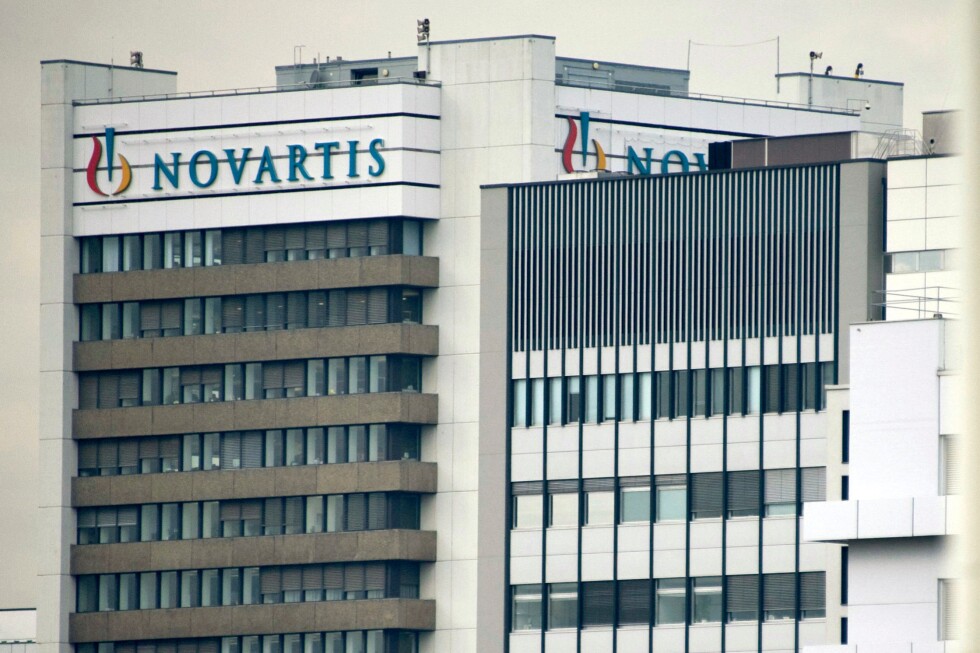
Pharmaceutical giant Novartis has reached a settlement with the estate of Henrietta Lacks, resolving a lawsuit that claimed the company profited unjustly from cells taken from her body without consent over 70 years ago. The terms of the agreement, finalized in federal court in Maryland this month, remain confidential.
“We are pleased we were able to find a way to resolve this matter filed by Henrietta Lacks’ Estate outside of court,” the Lacks family and Swiss-based Novartis said in a joint statement, declining to provide further details.
This marks the second settlement secured by the Lacks estate in its pursuit of justice for the unauthorized use of Henrietta’s cells, which became foundational to modern medicine. The legal action against Novartis, one of the world’s largest pharmaceutical companies, had sought “the full amount of its net profits obtained by commercializing the HeLa cell line,” which the complaint characterized as “stolen cells.”
The story of Henrietta Lacks highlights a troubling intersection of medical ethics, racial inequality, and corporate profit. In 1951, doctors at Johns Hopkins Hospital extracted cells from Lacks’ cervical tumor without her knowledge or consent. Lacks, a 31-year-old Black mother, died shortly after from cervical cancer and was buried in an unmarked grave.
What made her cells extraordinary was their unprecedented ability to survive and reproduce in laboratory conditions—becoming the first “immortal” human cell line. These HeLa cells, named using the first two letters of her first and last name, revolutionized biomedical research, enabling countless scientific breakthroughs including vaccines for polio and COVID-19, genetic mapping, and numerous medical treatments.
Despite the incalculable value these cells have brought to science and global health, the Lacks family remained uncompensated for decades while pharmaceutical companies and research institutions benefited enormously from innovations derived from HeLa cells.
Johns Hopkins has maintained it never sold or profited directly from the cell lines, though many companies have since patented methods for using them in various applications. The ethical questions surrounding the case have become emblematic of historical racial disparities in healthcare and medical research.
Last year, the Lacks estate reached an undisclosed settlement with biotechnology firm Thermo Fisher Scientific Inc., where lawyers argued the company had “unjustly enriched” itself by continuing to commercialize products based on HeLa cells long after their origins became widely known.
The legal campaign by the Lacks family continues on other fronts. Shortly after settling with Thermo Fisher Scientific, attorneys filed a lawsuit against Ultragenyx Pharmaceutical in the same Baltimore federal court. Additional litigation against pharmaceutical company Viatris remains active, with family attorneys suggesting more complaints may follow.
Henrietta Lacks’ background underscores the socioeconomic dimensions of her story. She was a poor tobacco farmer from southern Virginia who relocated with her husband to Turner Station, a historically Black community near Baltimore. The couple was raising five children when doctors discovered her cervical tumor and preserved samples of her cancer cells during a biopsy.
The remarkable scientific potential of these cells—and the profound impact their use had on the Lacks family, some of whom struggled with chronic illnesses without health insurance—became widely known through Rebecca Skloot’s 2010 bestseller “The Immortal Life of Henrietta Lacks.” The book later inspired an HBO film featuring Oprah Winfrey as Lacks’ daughter.
These settlements represent significant steps toward acknowledging historical injustices in medical research and establishing precedent for compensating families whose biological materials have been used without proper consent. The case continues to spark important discussions about bioethics, patient rights, and the need for more equitable practices in medical research and pharmaceutical development.
Fact Checker
Verify the accuracy of this article using The Disinformation Commission analysis and real-time sources.

16 Comments
The Lacks family’s fight for justice is a powerful example of standing up to corporate interests and medical institutions that have exploited vulnerable populations. This settlement, while not fully transparent, is a meaningful victory.
I hope this case inspires further scrutiny of historical medical practices and leads to stronger patient protections going forward.
The story of Henrietta Lacks is an important reminder that we must balance scientific progress with respect for patient rights and dignity. I hope this settlement leads to meaningful reforms.
While the financial terms are unknown, the acknowledgment of wrongdoing and pursuit of justice for the Lacks family is a positive outcome.
This case highlights the need for clearer guidelines around the use of human biological materials in medical research. Patients should be fully informed and give consent, regardless of their socioeconomic status.
I’m curious to learn more about how this settlement will impact future protocols for handling biological samples obtained without proper consent.
This case underscores the need for greater accountability and ethical considerations in the pharmaceutical industry. While the settlement details are private, the acknowledgment of wrongdoing is an important acknowledgment.
I’m curious to learn more about how this case might impact future policies and regulations around the use of human biological materials in medical research.
The Lacks family’s persistence in seeking justice for Henrietta is commendable. While the financial terms remain confidential, the fact that Novartis settled suggests they recognized the ethical issues involved.
Hopefully, this case will inspire more pharmaceutical companies to proactively address historical unethical practices and ensure equitable access to medical advances.
The Lacks family’s persistence in seeking justice for Henrietta is admirable. Pharmaceutical companies must be held accountable when they profit from unethical practices, even if those occurred long ago.
Hopefully this settlement will inspire other companies to proactively address similar historical issues and ensure equitable access to the benefits of medical research.
This is a complex issue that highlights the need for greater transparency and ethical oversight in medical research. While the cells were invaluable for advancing medicine, the lack of consent from Henrietta Lacks was unethical.
I’m glad to see Novartis and the Lacks family were able to reach a settlement, though the terms remaining confidential is unfortunate.
While the financial details remain confidential, the fact that Novartis settled suggests they recognized the ethical and legal issues with their use of Henrietta Lacks’ cells. This is an important step, though more can be done.
I wonder if this settlement will lead to broader changes in how pharmaceutical companies approach the use of biological materials obtained without proper consent.