


Listen to the article
European regulators have endorsed a groundbreaking new treatment for sleeping sickness, marking a potential turning point in efforts to eliminate the disease from sub-Saharan Africa. A committee of the European Medicines Agency has approved acoziborole, developed by pharmaceutical company Sanofi, bringing new hope to regions where the disease remains a persistent threat.
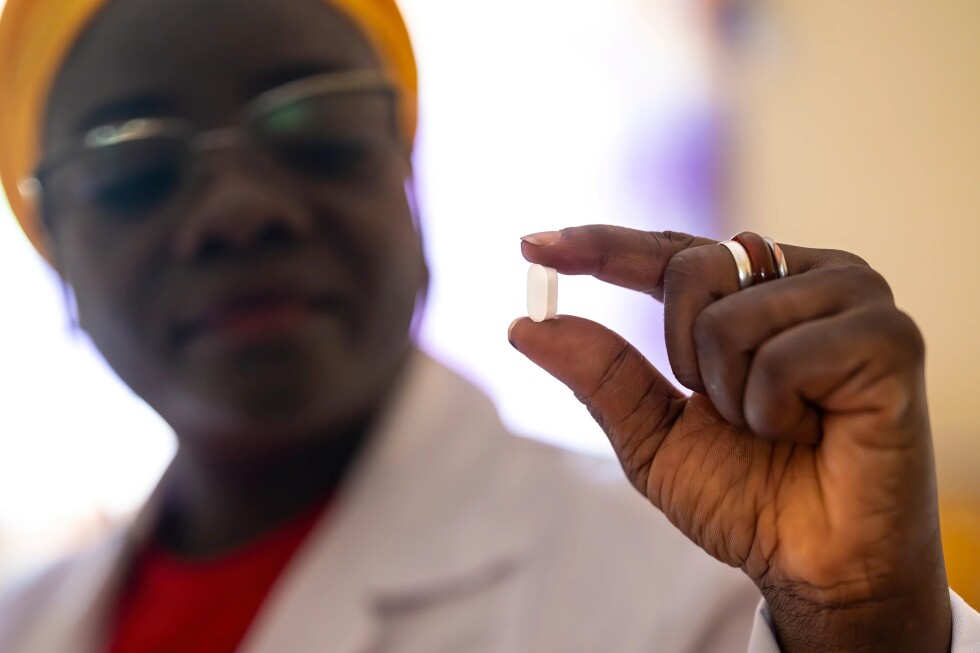
The one-time, three-pill treatment represents a significant advancement over existing therapies, which often require lengthy hospital stays and complex administration. Experts believe this simpler regimen could accelerate progress toward disease elimination, particularly in the Democratic Republic of Congo, which reports the highest number of cases.
“This disease is on the brink of elimination,” said Dr. Junior Matangila of the Drugs for Neglected Diseases initiative, an international organization that champions treatments for overlooked conditions. “The new drug could accelerate progress toward finishing the job.”
If successful, the elimination of sleeping sickness could represent a historic achievement in public health—potentially becoming the first time an infectious disease has been eradicated without a vaccine.
Sleeping sickness, officially known as human African trypanosomiasis, is transmitted by the tsetse fly, which is found exclusively in rural areas of sub-Saharan Africa. When infected, patients initially experience vague, flu-like symptoms that progressively worsen as parasites multiply throughout the body, eventually invading the nervous system.
The disease’s hallmark symptom is a disrupted sleep cycle, with patients remaining awake at night while experiencing extreme drowsiness during the day. Without treatment, the condition can progress to coma and death.
“It’s a disease of poverty,” explained Dr. Matangila, who is based in Congo. Many infected individuals live in remote areas with limited access to healthcare facilities, making traditional treatments particularly challenging to administer.
The parasite responsible for sleeping sickness has long frustrated vaccine developers due to its remarkable ability to alter its protein coat, making it nearly impossible to create a lasting immune response. Instead, control efforts have focused on two approaches: reducing tsetse fly populations and treating infected individuals.
Current treatments can require up to 10 days of medication and often necessitate difficult journeys from remote villages to hospitals. Many patients must undergo painful spinal taps to determine the stage of infection and appropriate treatment protocol.
Acoziborole promises to eliminate these barriers. A pivotal study involving approximately 200 patients in Congo and Guinea found that more than 95% of those treated were considered cured 18 months later. The drug can treat both early and advanced infections in patients aged 12 and older, removing the need for spinal taps to determine disease stage.
Sleeping sickness saw dramatic surges during periods of political and economic instability across sub-Saharan Africa in the 1970s and 1990s. Treatment advances in the early 2000s helped drive a significant decline in reported infections, which fell below 10,000 for the first time in half a century by 2009. By 2024, fewer than 600 cases of the most common variant were reported, though experts acknowledge many infections likely remain undiagnosed.
The World Health Organization has set an ambitious target to halt transmission of the most prevalent form of sleeping sickness by 2030. Sanofi’s commitment to donate doses to the WHO means the medication will be available at no cost to patients, potentially accelerating progress toward this goal.
However, some experts caution that significant challenges remain. Monica Mugnier, a sleeping sickness researcher at Johns Hopkins University, noted that while the drug represents a major treatment advancement, questions persist about where the parasite might be lurking.
“This isn’t solved yet,” Mugnier warned, suggesting that continued vigilance and research will be necessary despite this promising development.
The European regulatory approval is expected to accelerate the drug’s availability in Congo and pave the way for its use in other affected African countries, potentially transforming the landscape of sleeping sickness treatment and prevention across the continent.
Fact Checker
Verify the accuracy of this article using The Disinformation Commission analysis and real-time sources.

13 Comments
This new sleeping sickness drug could be a gamechanger, but the real test will be whether it can be successfully rolled out and made available to those who need it most in sub-Saharan Africa. Logistical and affordability challenges remain.
Eliminating sleeping sickness would be an incredible public health achievement. This new treatment sounds very promising, but the challenge will be ensuring it reaches the communities that need it most across sub-Saharan Africa.
While this new sleeping sickness pill represents important progress, the true measure of success will be whether it can be effectively implemented and scaled up to address the disease burden across sub-Saharan Africa. Challenges around cost and logistics remain.
I’m curious to learn more about the specifics of this new treatment. How does it compare to existing therapies in terms of cost, side effects, and ease of administration? These factors will be key to driving wider adoption.
Good point. The article mentions it’s a one-time, three-pill regimen, which sounds much simpler than the current treatments. Reducing the complexity and length of treatment is a big step forward.
It’s great to see continued innovation in treatments for neglected tropical diseases like sleeping sickness. This progress represents hope for improving health outcomes in some of the world’s most vulnerable populations.
Absolutely. Developing more effective and accessible therapies for these overlooked conditions is crucial for advancing global health equity.
The potential to eliminate sleeping sickness is exciting, but I hope the pharmaceutical company and regulators work closely with local healthcare providers to ensure this treatment reaches the right people. Access and equity should be top priorities.
Agreed. Engaging local communities and building robust distribution channels will be key to maximizing the impact of this breakthrough.
This is really exciting news! A new, simpler treatment for sleeping sickness could make a huge difference in Africa. Eliminating this disease would be an incredible public health milestone.
Absolutely, this breakthrough treatment could be a game-changer. Reducing the burden of sleeping sickness is crucial for the health and wellbeing of communities across sub-Saharan Africa.
While this is undoubtedly positive progress, I hope the pharmaceutical company and regulatory bodies work to ensure equitable access to this new drug across Africa. Cost and availability can still be barriers to eliminating neglected diseases.
That’s an excellent concern. Affordability and distribution will be critical to maximize the impact of this breakthrough. Careful planning and partnership with local healthcare systems will be key.