


Listen to the article
New Mexico Jury Finds Meta Liable for Harming Children’s Mental Health
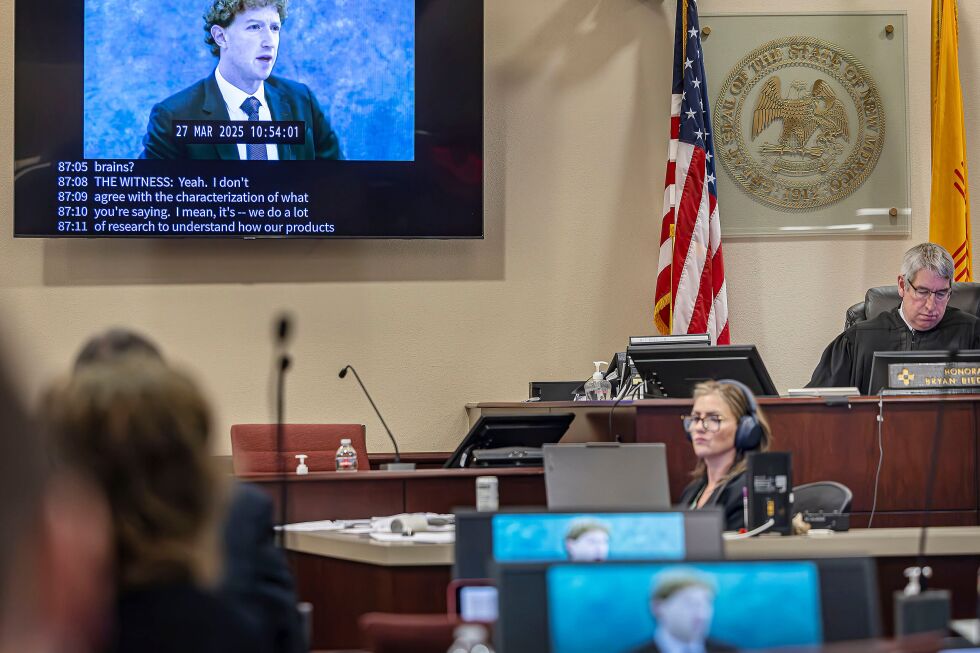
In a groundbreaking decision that could reshape how social media companies operate, a New Mexico jury ruled Tuesday that Meta knowingly harmed children’s mental health and deliberately concealed information about child sexual exploitation on its platforms.
The verdict follows a nearly seven-week trial in which state prosecutors successfully argued that Meta—the parent company of Instagram, Facebook, and WhatsApp—consistently prioritized profits over user safety, particularly regarding vulnerable young users. The jury determined that Meta violated multiple provisions of New Mexico’s Unfair Practices Act.
The ruling found Meta guilty of thousands of individual violations, each carrying a penalty that contributed to a total financial judgment of $375 million. Jurors concluded that Meta made false or misleading statements and engaged in “unconscionable” trade practices that exploited children’s vulnerabilities and inexperience.
“We respectfully disagree with the verdict and will appeal,” a Meta spokesperson said in a statement following the decision. “We work hard to keep people safe on our platforms and are clear about the challenges of identifying and removing bad actors or harmful content. We will continue to defend ourselves vigorously, and we remain confident in our record of protecting teens online.”
The New Mexico case represents one of the first major legal challenges against Meta to reach trial amid a growing wave of litigation focused on social media’s impact on children’s wellbeing. More than 40 state attorneys general have filed similar lawsuits against the tech giant, claiming its platforms contribute to a mental health crisis among young people through deliberately addictive design features.
New Mexico’s legal strategy included an undercover investigation where state agents created social media accounts posing as children to document sexual solicitations and evaluate Meta’s response mechanisms. The lawsuit, filed in 2023 by New Mexico Attorney General Raúl Torrez, also claimed Meta failed to disclose or address the dangers of social media addiction—a concept Meta has not formally acknowledged, though company executives admitted during trial to recognizing “problematic use” patterns.
During closing arguments, Meta’s attorney Kevin Huff contended that “Meta designs its apps to help people connect with friends and family, not to try to connect predators.” He emphasized that the company invests in safety measures both because “it’s the right thing to do” and because it aligns with business interests.
Historically, tech companies have enjoyed protection from liability for content posted on their platforms under Section 230 of the U.S. Communications Decency Act and First Amendment protections. However, New Mexico prosecutors successfully argued that Meta should bear responsibility for how its algorithms promote and amplify harmful content.
“We know the output is meant to be engagement and time spent for kids,” said prosecution attorney Linda Singer. “That choice that Meta made has profound negative impacts on kids.”
The trial featured extensive internal Meta correspondence and reports related to child safety, alongside testimony from company executives, platform engineers, whistleblowers, psychiatric experts, and tech-safety consultants. Local educators also testified about social media-related disruptions in schools, including instances of sextortion targeting children.
“What this case is about is one of the biggest tech companies in the world taking advantage of New Mexico teens,” state Chief Deputy Attorney General James Grayson told jurors.
The verdict comes as a federal court in California continues deliberations in a similar case examining whether Meta and YouTube should face liability for harm to children. Additionally, a second phase of the New Mexico trial, potentially scheduled for May, will determine whether Meta created a public nuisance that requires remedial action beyond financial penalties.
This landmark decision may signal a turning point in how courts evaluate social media companies’ responsibility toward young users, potentially forcing significant changes to platform design, safety protocols, and transparency practices across the industry.
Fact Checker
Verify the accuracy of this article using The Disinformation Commission analysis and real-time sources.

12 Comments
While I’m glad the jury is holding Meta accountable, the $375 million judgment seems quite high. I’d be curious to learn more about the details and rationale behind the jury’s decision. Social media’s impact on youth mental health is a complex issue without easy solutions.
You raise a fair point. The financial penalty does seem substantial, so it will be interesting to see how Meta’s appeal plays out and what precedent this sets for future cases.
This is a significant ruling that could set an important precedent. I hope it encourages social media companies to prioritize user safety, especially for vulnerable populations like children and teens. At the same time, I’m curious to hear Meta’s perspective on the verdict and their plans to address the concerns raised.
Agreed. It will be crucial to see how Meta responds and what changes, if any, they implement to better protect young users on their platforms.
The New Mexico jury’s verdict against Meta is a concerning development for the tech industry. While social media can provide benefits, the potential harms to children’s mental health and safety need to be taken seriously. I hope this ruling leads to meaningful reforms and greater accountability for major platforms.
Absolutely. This case highlights the urgent need for stronger regulations and oversight to ensure social media companies prioritize user wellbeing over profits.
This verdict is a significant blow to Meta and could have far-reaching implications. It’s clear the jury felt the company’s practices were egregious and disregarded the welfare of young users. I’m curious to see if this spurs more legal action against social media giants in other jurisdictions.
You make a good point. This ruling could embolden other states or municipalities to pursue similar legal actions, putting more pressure on tech companies to address these issues.
The New Mexico jury’s decision to hold Meta accountable for harming children’s mental health and safety is an important step. Social media’s impact on young people is a complex and concerning issue that deserves close scrutiny. I hope this ruling leads to meaningful reforms and greater transparency from tech companies.
Agreed. Increased transparency and accountability for social media platforms’ practices and algorithms will be crucial to better protecting vulnerable users.
Interesting verdict against Meta. It’s concerning that social media companies may be prioritizing profits over user safety, especially for vulnerable young users. I wonder what specific practices were deemed ‘unconscionable’ and how this ruling could impact the industry going forward.
Yes, this highlights the need for stronger oversight and accountability for tech companies when it comes to protecting minors on their platforms.