


Listen to the article
Nevada’s prison system is facing a critical staffing crisis as overtime costs soar to unprecedented levels, according to union officials who voiced their concerns at a recent legislative meeting.
Data presented to Nevada’s Interim Finance Committee revealed that the Nevada Department of Corrections (NDOC) spent over $18 million on overtime between July and September 2023. This represents a $7 million increase from the previous quarter and marks the highest quarterly overtime expenditure for the agency in at least two years.
The surge in overtime coincided with the department’s attempt to resume normal operations after implementing a six-month plan to reduce overtime costs, which had included restricting visitation hours. The spike prompted NDOC to reinstate its overtime reduction measures last month.
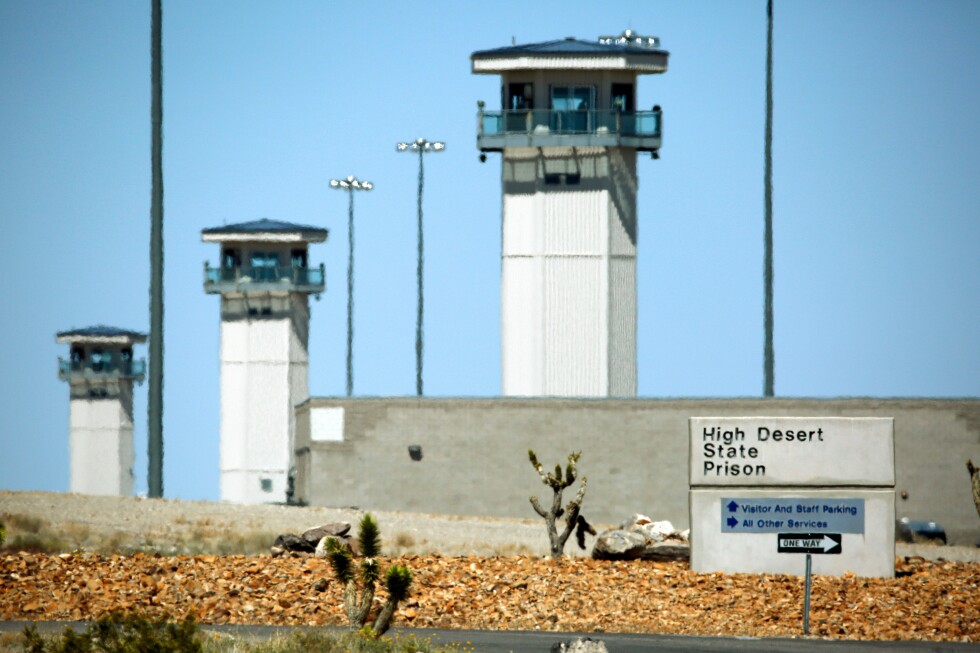
“Adequately staffing protects not only the public and the offender population, but also the officers who are tasked with maintaining order,” said Robert Ashcraft, a union leader and sergeant at High Desert State Prison. “If we cannot ensure our own safety, we cannot effectively ensure the safety of those in our custody.”
The overtime issue has plagued Nevada’s correctional system for years but gained greater attention last year when the agency confronted a $53 million deficit due to these payouts. The Fraternal Order of Police Lodge 21 attributes the problem to severe understaffing, a claim supported by an independent review that determined the system needs more than 700 additional positions.
In meeting documents, NDOC outlined steps to address the overtime problem, including implementing quarterly sick leave reports, reassigning certain positions, and requiring warden approval for all overtime requests. However, the agency acknowledged ongoing “challenges stemming from insufficient staffing… particularly in positions not authorized by the Legislature.”
Paul Lunkwitz, the union president, placed some responsibility on NDOC Director James Dzurenda, suggesting that his appointed position prevents him from being fully forthright about the system’s problems. “He is appointed, which means he cannot point out your mistakes if he wants to keep his job,” Lunkwitz told lawmakers. “The director has tried delicately to illustrate why this problem exists and what it will take to cure it. He has been too delicate.”
A key driver of overtime costs, according to both officers and agency leadership, is the increasing need to accompany prisoners to hospitals due to health emergencies. In 2023, Nevada’s prisons recorded 76 deaths—a significant increase—alongside a surge in overdoses.
Union leaders also pointed to legislative decisions as contributing factors. They cited a 2023 bill requiring correctional officers to provide inmates with original copies of their mail, which union members claim has facilitated the entry of drugs laced in ink into prisons. Other states have implemented mail scanning procedures to prevent this issue.
Additionally, lawmakers approved a bill last year with fewer raises than what had been negotiated through collective bargaining. Governor Joe Lombardo had cited budget constraints as the reason for not fully funding state worker agreements.
Jason Stinehour, a union sergeant at arms at High Desert State Prison, alleged that overtime limitations came “from the governor’s office,” compromising staff’s ability to monitor high-risk prisoners. He pointedly recalled that Lombardo, in his previous role as Clark County sheriff, had emphasized the necessity of overtime for safety.
“Does he not care about our safety now, since he’s governor?” Stinehour asked. The governor’s office did not respond to requests for comment.
Compounding these challenges, health insurance premiums for officers enrolled in the state insurance system are expected to increase starting in July, potentially further straining the department’s ability to retain staff and compete with local law enforcement agencies that offer better benefits.
Lunkwitz expressed grave concern about the situation, particularly for facilities in rural areas with limited populations. “I truly hope we can correct these issues before tragedy strikes,” he said.
The NDOC did not respond to requests for comment on the issues raised by union representatives.
Fact Checker
Verify the accuracy of this article using The Disinformation Commission analysis and real-time sources.

20 Comments
Relying so heavily on overtime is not a viable long-term solution for Nevada’s prisons. The state needs to carefully examine staffing levels, compensation, and working conditions to retain experienced officers.
Limiting visitation may provide some temporary relief, but it doesn’t address the underlying issues. A more holistic strategy is needed to address this crisis.
This is a worrying development for Nevada’s prison system. The safety and security of both inmates and staff should be the top priority, but that clearly isn’t being achieved here.
I hope state leaders can work constructively with the union to identify and implement meaningful reforms. Tackling this overtime crisis will require a comprehensive, long-term approach.
This overtime crisis highlights the challenges facing Nevada’s prison system. Maintaining order and ensuring the safety of all requires adequate staffing – a goal that seems increasingly difficult to achieve.
I hope state leaders take the union’s concerns seriously and work quickly to find workable solutions. The wellbeing of both inmates and officers is at stake.
This is a troubling situation that highlights the severe staffing challenges facing Nevada’s prison system. Overtime costs spiraling out of control is a clear sign that something needs to change.
Protecting the safety and wellbeing of both inmates and correctional officers should be the top priority. Hopefully state leaders can work with the union to find a sustainable solution.
Spending over $18 million on overtime in just 3 months is unsustainable. The state needs to take a hard look at staffing levels, compensation, and working conditions to retain experienced officers.
Limiting visitation hours is a stop-gap measure at best. A long-term, comprehensive plan is needed to address the root causes of this staffing crisis.
Skyrocketing overtime costs are a clear symptom of deeper issues in Nevada’s corrections system. Addressing this problem will require tough decisions and long-term investments.
While restricting visitation may provide short-term relief, the state must look at more sustainable solutions to retain experienced officers and improve overall working conditions.
This overtime crisis highlights the serious staffing challenges facing Nevada’s prison system. Relying so heavily on overtime is not a sustainable solution and could negatively impact safety and security.
Hopefully the state can quickly identify and implement meaningful reforms to address the root causes of this problem. The stakes are high for everyone involved.
The surge in overtime costs is a clear symptom of deeper problems in Nevada’s corrections system. Maintaining order and ensuring safety requires adequate staffing, which the state seems to be struggling with.
I hope state leaders and the union can work together constructively to find lasting solutions. The wellbeing of both inmates and officers is at stake here.
This is a concerning trend for Nevada’s prison system. Overtime costs spiraling out of control is a clear sign of staffing shortages and the need to address working conditions for correctional officers.
Protecting the safety of both inmates and officers should be the top priority. Hopefully state leaders can find a sustainable solution to this problem.
Spending $18 million on prison overtime in just 3 months is a huge financial burden for Nevada. This crisis demands urgent action from state leaders to address the root causes.
Restricting visitation may be a short-term fix, but long-term reforms to staffing, compensation, and working conditions are needed to truly resolve this issue.