


Listen to the article
NASA’s Moon Rocket Returns to Hangar After Helium System Malfunction
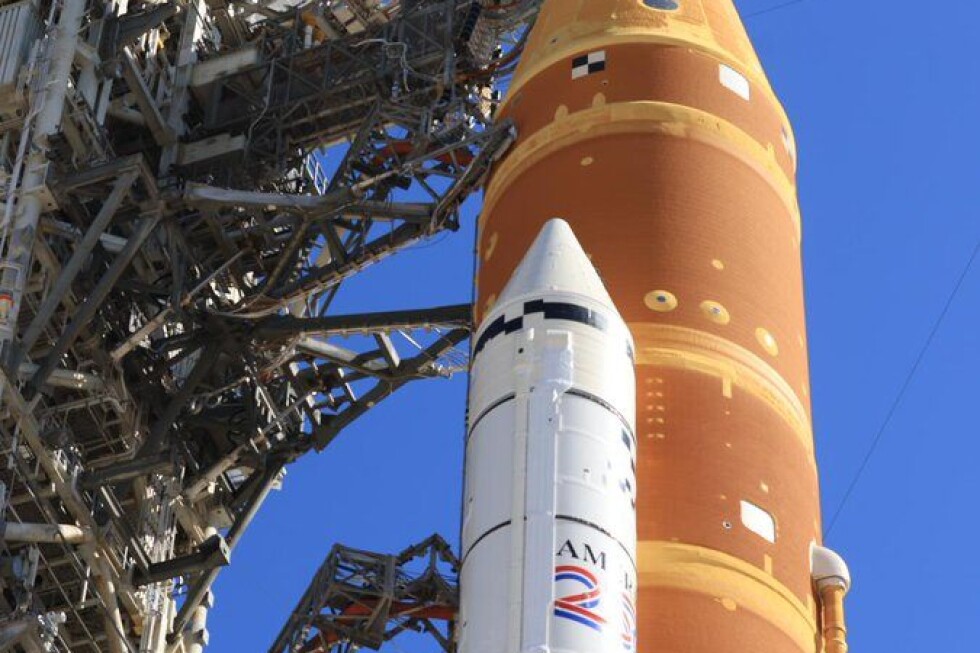
NASA’s ambitious plans to return astronauts to the moon have hit another setback as its Space Launch System (SLS) rocket must return to the Vehicle Assembly Building at Kennedy Space Center for repairs. The agency announced Sunday it plans to move the massive rocket on Tuesday, weather permitting, for the slow four-mile journey across the Florida space complex.
The latest delay comes after a series of technical issues that have repeatedly postponed the Artemis II mission, which aims to be humanity’s first crewed lunar mission in over 50 years. Engineers had recently completed a critical repeat fueling test to address dangerous hydrogen leaks that had plagued earlier launch attempts. With those issues seemingly resolved, NASA had targeted March 6 for launch—already a month behind schedule.
However, during final preparations, a new problem emerged with the rocket’s helium system. The flow of helium to the upper stage was disrupted, creating a significant safety concern since helium is essential for purging engines and pressurizing fuel tanks. Without properly functioning helium systems, the rocket cannot safely operate.
“Returning to the Vehicle Assembly Building at Kennedy is required to determine the cause of the issue and fix it,” NASA explained in a statement. While the agency maintains that the repair schedule could still permit an April launch attempt, officials emphasized that the timeline depends entirely on how quickly technicians can identify and resolve the helium system malfunction.
The constraints on potential launch windows add another layer of complexity to the mission. Due to the specific orbital mechanics required for lunar missions, NASA has only a limited number of days each month when conditions are suitable for launching the four-person crew around the moon and safely returning them to Earth.
The Artemis II mission represents a crucial stepping stone in NASA’s broader lunar exploration program. The crew—consisting of three American astronauts and one Canadian—remains on standby in Houston, continuing their training while engineers work to resolve the technical issues. When they eventually launch, they will become the first humans to venture beyond low Earth orbit since Apollo 17 in December 1972.
This mission marks a significant milestone in NASA’s Artemis program, which aims to establish a sustainable human presence on the moon later this decade. Artemis II will not land on the lunar surface but instead will orbit the moon before returning to Earth—a critical test of life support systems and deep space navigation before subsequent landing missions.
The SLS rocket stands as the most powerful launch vehicle NASA has built since the Saturn V rockets of the Apollo era. Standing 322 feet tall, the rocket is designed to carry both crew and cargo for deep space exploration. Its development has faced criticism over budget overruns and delays, with the program costing more than $23 billion since its inception.
These ongoing technical challenges highlight the immense complexity of modern lunar missions. Despite advances in technology since the Apollo era, sending humans beyond Earth orbit remains one of the most difficult endeavors in space exploration, requiring extraordinary precision and reliability from every system.
Industry analysts note that NASA’s cautious approach reflects lessons learned from past tragedies like the Challenger and Columbia space shuttle disasters. While delays frustrate mission timelines, they demonstrate the agency’s commitment to crew safety above schedule considerations.
As engineers prepare to inspect and repair the helium system, NASA’s leadership continues to express confidence in eventually achieving their lunar exploration goals, even as the timeline stretches further into the future than initially planned.
Fact Checker
Verify the accuracy of this article using The Disinformation Commission analysis and real-time sources.

10 Comments
The repeated delays on the Artemis mission are certainly frustrating, but it’s good to see NASA taking a cautious approach to ensure the rocket is safe before launching. Returning to the hangar for more repairs is likely the prudent choice, even if it pushes the timeline back further.
Hydrogen leaks and now a helium system problem – the SLS rocket sure seems to have its share of technical gremlins. NASA must be eager to get this mission off the ground, but safety has to come first. Looking forward to seeing Artemis progress once these latest issues are resolved.
While the delays are disappointing, it’s understandable that NASA wants to thoroughly address any potential issues with the SLS rocket before risking a crewed mission to the moon. Hopefully the move back to the hangar will help them get a handle on the helium system problem quickly.
The Artemis program has certainly had a bumpy road so far, but NASA seems committed to getting it right. Sending the rocket back to the hangar for more repairs is the responsible choice, even if it means further delays. I’m curious to see what the next steps will be.
Kudos to NASA for prioritizing safety over speed when it comes to the Artemis program. Returning the SLS rocket to the hangar for more repairs is the prudent choice, even if it means further delays. Hopefully they can get this helium system issue resolved quickly so the mission can get back on track.
Interesting to see the ongoing technical challenges NASA faces with the SLS rocket. Seems like every launch attempt has some new issue to overcome. Hopefully they can get this helium system resolved quickly so the Artemis mission can move forward.
Returning the SLS rocket to the hangar is a prudent move by NASA, but it’s frustrating to see the Artemis mission pushed back yet again. These technical challenges are a reminder of the complexity involved in deep space exploration. Hopefully the repairs go smoothly and they can get back on track soon.
It’s impressive how diligently NASA is working to resolve these technical problems with the SLS rocket. Sending it back to the hangar for repairs shows their commitment to getting the Artemis mission right, even if it means more delays. Looking forward to seeing this historic program get back on track.
Quite a setback for the Artemis program with this latest helium system issue. NASA is right to take the time to properly address it before attempting another launch. Crewed missions to the moon are no small feat, and safety has to be the top priority.
The repeated delays with the Artemis mission must be incredibly frustrating for NASA and space enthusiasts alike. But the responsible approach is to take the time to thoroughly address any issues, like this latest helium system problem. Rushing a launch could have disastrous consequences.