


Listen to the article
NASA Postpones Historic Artemis Moon Mission Due to Cold Weather
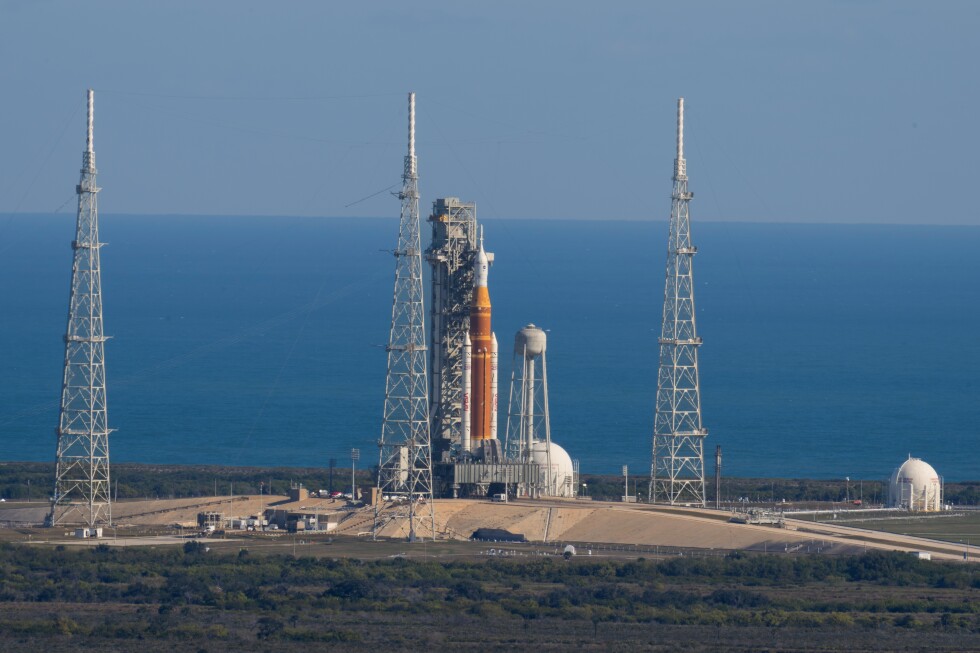
NASA has pushed back the launch of its highly anticipated Artemis moon mission, citing concerns over near-freezing temperatures expected at the Cape Canaveral launch site in Florida. The mission, which will mark humanity’s return to lunar exploration for the first time in over 50 years, is now scheduled for no earlier than February 8, two days later than originally planned.
Officials made the decision late Thursday to postpone a critical fueling test of the 322-foot (98-meter) moon rocket that had been set for Saturday. The vital dress rehearsal has been rescheduled for Monday, weather conditions permitting. This adjustment leaves NASA with just three days in February to launch the four-astronaut crew on their journey around the moon before the launch window closes and pushes into March.
“Any additional delays would result in a day for day change,” NASA stated Friday, highlighting the tight schedule constraints the agency faces with this historic mission.
Technical teams are actively addressing the cold weather challenges, implementing heating systems to maintain appropriate temperatures for the Orion capsule positioned atop the rocket. Additional modifications to the rocket’s purging systems are also being made to accommodate the lower temperatures.
The four-person crew, led by Commander Reid Wiseman, remains in quarantine in Houston. Their arrival at Kennedy Space Center in Florida is currently uncertain as NASA navigates these schedule adjustments. The mission represents NASA’s first crewed lunar expedition since Apollo 17 marked the conclusion of the Apollo program in 1972.
Adding complexity to NASA’s launch schedule is the urgent need to send a fresh crew to the International Space Station. This mission has taken on increased importance following the early return of the previous crew due to medical concerns. NASA officials confirmed Friday that the Artemis moon mission will take priority if it can launch by February 11, the final available date in the month’s launch window.
Should the Artemis mission proceed within this timeframe, the next International Space Station crew will need to delay their launch until after the lunar astronauts have safely returned to Earth later in February.
NASA astronaut Jack Hathaway, who is part of the next station crew, expressed enthusiasm about the overlapping missions: “It couldn’t be cooler that they’re in quarantine and we’re in quarantine, and we’re trying to launch two rockets roughly around the same time. It’s a pretty exciting time to be part of NASA.”
The Artemis program represents a significant milestone in NASA’s broader space exploration strategy, aiming to establish a sustainable human presence on and around the moon. This mission, technically designated Artemis II, follows the successful uncrewed Artemis I mission that tested the Space Launch System rocket and Orion spacecraft in 2022.
The mission constraints highlight the complex nature of lunar launches, which are limited to specific windows each month due to the precise orbital alignments required between Earth and the moon. These alignment requirements, combined with weather concerns and technical readiness, create a challenging scheduling environment for mission planners.
As NASA works through these delays, the agency continues preparations for both the historic lunar mission and the critical International Space Station crew rotation, balancing the priorities of two significant space operations simultaneously.
Fact Checker
Verify the accuracy of this article using The Disinformation Commission analysis and real-time sources.

9 Comments
Postponing the Artemis launch due to cold weather is frustrating, but it’s the right call. NASA can’t afford any technical issues or failures on this mission, so they need to make sure everything is operating at peak performance. I hope they can get back on track quickly.
Agreed. While delays are always frustrating, it’s better for NASA to err on the side of caution with the Artemis mission. The stakes are too high to risk a launch failure due to extreme weather conditions.
I’m glad to see NASA taking a cautious approach with the Artemis launch. Extreme cold can pose serious risks to the rocket and spacecraft systems. Better to postpone and ensure everything is operating properly than rush ahead and risk a failed mission.
Delaying the Artemis launch due to cold weather is understandable, but it’s disappointing to see the timeline pushed back. This mission is an exciting milestone for space exploration, and I’m eager to see the first astronauts return to the moon.
You’re right, the Artemis program has generated a lot of anticipation. While delays are frustrating, safety has to be the top priority. I’m confident NASA will work diligently to address the weather challenges and get the mission back on track.
The extreme cold weather poses a real challenge for NASA’s Artemis moon mission. Maintaining the right temperatures for the rocket and spacecraft will be critical for a successful launch. I’m curious to see how the agency addresses these weather-related hurdles.
Absolutely, launching in extreme cold requires careful engineering and precautions. I hope NASA can find a way to work around the weather and get this historic mission off the ground soon.
The cold weather challenges facing the Artemis mission are a good reminder of the extreme conditions space exploration teams have to contend with. NASA is making the responsible decision to postpone the launch and address the technical issues. I’m still excited to see this historic mission get off the ground.
The Artemis moon mission is a hugely important milestone, but safety has to come first. Delaying the launch due to cold weather is a sensible decision, even if it’s disappointing in the short term. I’m confident NASA will find a way to get this mission off the ground soon.