


Listen to the article
Kaiser Permanente Healthcare Workers End Four-Week Strike as Negotiations Progress
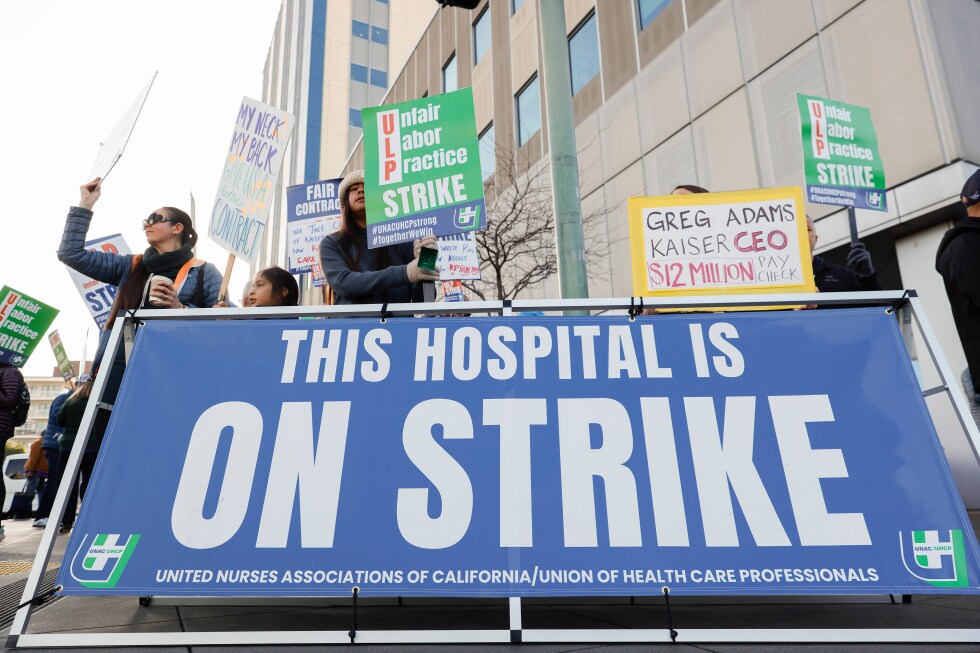
Kaiser Permanente’s 31,000 registered nurses and other front-line healthcare workers in California and Hawaii will return to work Tuesday following a four-week strike that centered on demands for improved wages and staffing levels.
The United Nurses Associations of California/Union of Health Care Professionals announced Monday that “significant movement at the bargaining table” prompted the decision to end the walkout. While specific details of the breakthrough weren’t fully disclosed, the union indicated that returning workers to their patients represented the best path toward finalizing an agreement.
Kathleen Campini Chambers, a Kaiser Permanente spokesperson, confirmed that both parties had reached an agreement on wage increases based on an offer initially proposed by the company in October. “We are working with our teams to schedule returning employees over the coming days, in an orderly way that protects patient safety and minimizes any disruption,” she said.
The January 27 walkout marked the second major labor action by these Kaiser employees in recent months. A five-day strike in October had temporarily resumed negotiations, but talks collapsed in December, leading to the more extended work stoppage.
Healthcare professionals on the picket lines—including pharmacists, midwives, and rehabilitation therapists—argued that their salaries had failed to keep pace with inflation while staffing shortages increasingly compromised patient care. Union representatives had initially demanded a 25% wage increase over four years, maintaining that their members’ compensation lagged at least 7% behind industry peers.
Kaiser Permanente had countered with an offer of 21.5% over the same period. The healthcare giant contended that its union employees already earned approximately 16% more than industry counterparts, and meeting the higher wage demands would necessitate raising costs for patients and members. According to Chambers, union leadership has now indicated acceptance of Kaiser’s 21.5% wage proposal.
Throughout the strike, Kaiser Permanente maintained operations at its clinics and hospitals, though with adjustments. Some in-person appointments were converted to virtual visits, and certain elective surgeries and procedures required rescheduling to accommodate the reduced workforce.
The labor dispute affects one of America’s largest healthcare providers. Kaiser Permanente operates a vast not-for-profit health system serving 12.6 million members across 600 medical offices and 40 hospitals, primarily in western states. Headquartered in Oakland, California, the organization represents a significant player in the national healthcare landscape.
The resolution of this strike reflects a broader pattern of healthcare labor disputes reaching settlements in recent weeks. In New York City, nurses at the privately operated NewYork-Presbyterian Hospital system approved a new contract on Saturday, ending another major healthcare strike after more than a month. Two other prominent private hospital systems in New York—Montefiore and Mount Sinai—similarly concluded their nurses’ walkouts earlier this month by securing contract agreements with the same union.
These healthcare labor disputes highlight ongoing tensions in the medical industry regarding compensation, working conditions, and staffing levels—issues that have intensified since the COVID-19 pandemic placed unprecedented strain on healthcare systems nationwide. As providers like Kaiser work to normalize operations following these disruptions, the agreements reached may establish new benchmarks for healthcare worker compensation in a sector still adjusting to post-pandemic realities.
Fact Checker
Verify the accuracy of this article using The Disinformation Commission analysis and real-time sources.

7 Comments
It’s encouraging to see the Kaiser Permanente strike coming to an end, as prolonged disruptions can have significant impacts on patient care. I’m curious to learn more about the specific details of the new agreement, particularly how it addresses the union’s concerns around staffing and workloads. Transparency from both sides will be crucial going forward.
It’s good to see the Kaiser Permanente strike coming to an end, as prolonged disruptions to healthcare services can have serious consequences. While the wage increase is a step in the right direction, I hope the final agreement also tackles the underlying staffing challenges that prompted the initial walkout.
This is an important development in the ongoing labor dispute at Kaiser Permanente. While the strike is coming to an end, I hope both sides can continue to work collaboratively to address the root issues around staffing levels and working conditions for healthcare workers. Compromises may be necessary to find a sustainable solution.
The decision by Kaiser Permanente healthcare workers to end their strike is a welcome move. Disruptions to patient care should be minimized as much as possible. I’m curious to see if the new agreement will adequately address the union’s previous concerns around wages and staffing. Transparency from both parties will be crucial going forward.
This is an important milestone in the labor negotiations at Kaiser Permanente. While the wage increases are a good start, I hope the final agreement also includes meaningful improvements to staffing levels and working conditions for the healthcare workers. Compromises may be necessary, but patient care should remain the central focus.
Glad to see the Kaiser Permanente workers and management make progress in their negotiations. Reaching an agreement on wage increases is a positive step, though I’m curious to learn more about the other details that were finalized. Maintaining quality patient care should be the top priority for all parties involved.
The end of the Kaiser Permanente strike is a positive development, but I’m curious to see if the new agreement fully addresses the union’s demands. Maintaining high-quality, accessible healthcare should be the top priority for both sides as they finalize the details.