


Listen to the article
Ransomware Attack Cripples Mississippi Medical Center, Forcing Statewide Clinic Closures
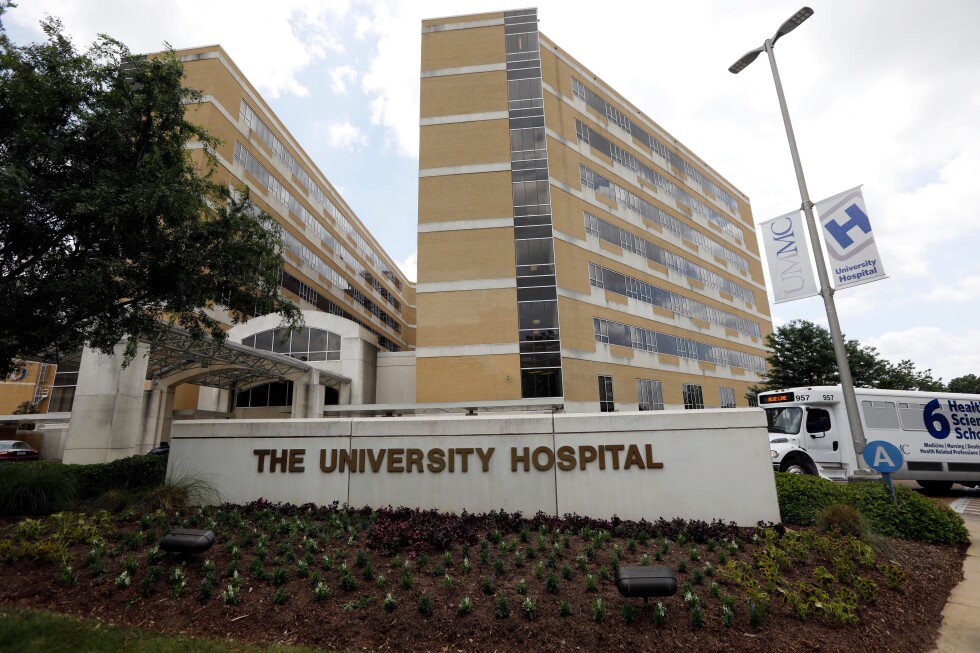
A devastating ransomware attack has forced the University of Mississippi Medical Center (UMMC) to close approximately three dozen clinics across the state and suspend all elective procedures for a second consecutive day on Friday. The cyberattack has severely disrupted operations at one of Mississippi’s most vital healthcare providers.
University officials have cautioned that the shutdown might extend for several days as they assess the attack’s scope, including the potential compromise of sensitive patient information. As a precautionary measure, numerous network systems were taken offline, further complicating recovery efforts.
The human toll of the disruption became immediately apparent as patients like Richard Bell, a 55-year-old lymphoma patient, faced unexpected hurdles to receiving critical care. Bell drove three hours from his home in Oxford to UMMC’s main campus in Jackson, only to discover his chemotherapy treatment and bloodwork had been canceled.
“It was all shut down,” Bell said. “It gets pretty frustrating.” Unable to immediately reschedule his appointment, Bell’s situation highlights the serious consequences for patients requiring time-sensitive treatments. UMMC officials stated they are prioritizing outreach to vulnerable patients like Bell who require urgent interventions such as chemotherapy.
Despite the extensive disruption, the medical center confirmed that hospitals and emergency rooms remain operational, with patients continuing to receive necessary care. However, the attack has compromised multiple systems, including the electronic health record platform that is crucial for modern healthcare delivery.
Vice Chancellor LouAnn Woodward acknowledged during Thursday’s news conference that staff had reverted to manual record-keeping methods. “Some of us in the room have been here long enough that we remember taking care of patients with pen and paper,” she noted, highlighting how the cyberattack has forced a temporary return to pre-digital healthcare practices.
A key concern for investigators is determining whether patient privacy was breached during the attack. Woodward confirmed that the attackers had established communication with the university but declined to reveal their demands. The Federal Bureau of Investigation has joined the response effort, with FBI Special Agent in Charge Robert Eikhoff stating that restoring patient care capabilities remains their top priority.
This attack against UMMC reflects a troubling nationwide trend of ransomware attacks targeting healthcare institutions and public infrastructure. In recent years, similar cyberattacks have disrupted 911 dispatch functions and compromised sensitive student data at educational institutions across the country.
Healthcare facilities are particularly vulnerable and attractive targets for cybercriminals due to the critical nature of their services and the sensitive patient data they maintain. Ransomware attacks typically involve encrypting an organization’s data and demanding payment for its release, often creating life-threatening situations when medical systems are involved.
The Mississippi attack occurs amid growing concerns about healthcare cybersecurity nationwide. According to healthcare cybersecurity experts, hospitals often operate with outdated security systems and limited IT resources, making them susceptible to increasingly sophisticated criminal operations.
For UMMC, the road to recovery will likely be complex and costly. Beyond the immediate challenge of restoring systems, the institution may face long-term consequences including potential regulatory scrutiny if patient data was compromised, costs associated with security improvements, and the need to rebuild patient trust.
As the situation continues to develop, UMMC officials have promised to provide regular updates to affected patients and the public regarding service restoration timelines and any potential data breaches that may be discovered during their ongoing investigation.
Fact Checker
Verify the accuracy of this article using The Disinformation Commission analysis and real-time sources.

14 Comments
Ransomware attacks are a growing threat, and when they hit critical infrastructure like hospitals, the human cost can be severe. I hope the UMMC is able to restore full operations soon and ensure patient data remains secure.
You raise a good point. The potential compromise of sensitive patient information is a major concern in these kinds of attacks. Robust data protection safeguards are essential for healthcare providers.
Ransomware attacks targeting hospitals and medical facilities are especially heinous. Patients like Richard Bell who rely on timely, consistent treatment should not be collateral damage in these crimes. Securing healthcare systems must be a top priority.
You’re right, this disruption to essential medical services is unacceptable. Hospitals need much stronger cybersecurity measures to prevent these kinds of damaging attacks.
It’s distressing to see a major healthcare provider like UMMC forced to shut down operations due to a ransomware attack. Patients who require ongoing, time-sensitive care are left in a very difficult situation through no fault of their own.
Absolutely, this is an intolerable situation for vulnerable patients who depend on consistent access to medical treatment. Hospitals must make cybersecurity a top priority to prevent these kinds of disruptions.
This ransomware attack on UMMC is a sobering reminder of the threat that cyber criminals pose to our healthcare infrastructure. Securing medical facilities against these kinds of disruptions should be a top priority for policymakers and hospital administrators.
Absolutely, the potential compromise of sensitive patient data is a major concern in these attacks. Hospitals must ensure they have comprehensive data protection and incident response plans in place to mitigate the risks.
This ransomware attack on UMMC is a stark reminder of how vulnerable our healthcare systems can be to cyber threats. Patients like Richard Bell who rely on regular, uninterrupted care are the ones who suffer most when these incidents occur.
Absolutely, the human toll of these attacks is deeply troubling. Hospitals must make cybersecurity a top priority to ensure they can continue providing essential medical services, even in the face of growing digital threats.
This ransomware attack on a major healthcare provider is deeply concerning. Disrupting critical medical services like this can have devastating impacts on vulnerable patients. I hope the hospital system is able to restore operations quickly and securely.
Absolutely, this kind of cyberattack can put lives at risk. The healthcare sector needs to be better protected against these threats.
Ransomware attacks targeting hospitals are particularly egregious, as they put vulnerable patients at risk by disrupting critical medical services. I hope UMMC is able to restore full operations quickly and securely.
You’re right, the impact on patients who rely on consistent, timely care is unacceptable. Hospitals need to invest heavily in robust cybersecurity measures to protect against these kinds of damaging attacks.