


Listen to the article
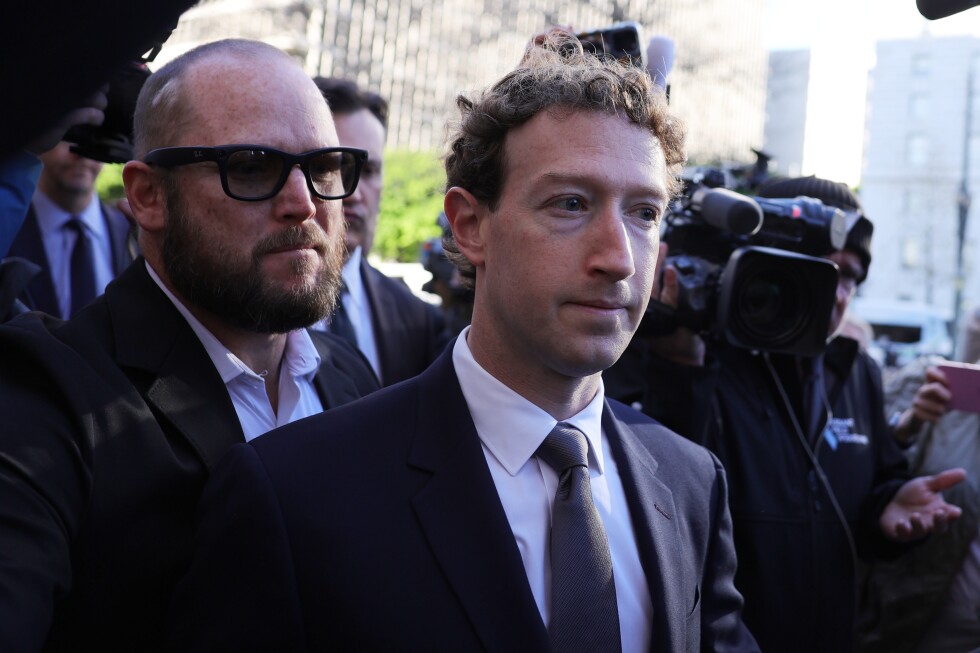
In a tense Los Angeles courtroom on Wednesday, Meta CEO Mark Zuckerberg faced rigorous questioning about Instagram’s impact on young users, as part of a landmark social media trial examining whether Meta’s platforms deliberately cause addiction and harm to children.
The lawsuit centers around a now 20-year-old woman identified as KGM, who claims her early social media use led to addiction and exacerbated her depression and suicidal thoughts. Meta Platforms and Google’s YouTube remain as defendants after TikTok and Snap reached settlements in the case.
Throughout the testimony, Zuckerberg carefully sidestepped directly addressing whether Instagram is addictive. When plaintiff’s attorney Mark Lanier asked if people tend to use something more if it’s addictive, Zuckerberg responded, “I’m not sure what to say to that. I don’t think that applies here.”
Lanier began his questioning by outlining three approaches companies can take toward vulnerable people: helping them, ignoring them, or exploiting them. Zuckerberg acknowledged that a responsible company should “try to help the people that use its services,” rejecting the notion of preying on users for corporate benefit.
The Meta CEO faced particularly intense scrutiny regarding his previous congressional testimony, where he stated that Instagram employees are not given goals to increase user time on the platform. When confronted with internal documents seemingly contradicting this claim, Zuckerberg clarified that while the company previously had time-based goals, they had deliberately shifted away from them to focus on utility instead.
“If something is valuable, people will use it more because it’s useful to them,” Zuckerberg explained, emphasizing this as the company’s current guiding principle rather than engagement metrics.
Lanier also probed Zuckerberg about his media training, referencing internal documents advising him to appear “authentic, direct, human, insightful and real” and avoid coming across as “fake, robotic, corporate or cheesy.” Zuckerberg downplayed these suggestions as mere feedback, quipping, “I think I’m actually well known to be sort of bad at this,” a nod to his historically awkward public appearances that have often been mocked online.
The questioning then shifted to age verification, with Zuckerberg appearing frustrated after extended back-and-forth. “I don’t see why this is so complicated,” he said, reiterating Meta’s policy restricting users under 13 and their efforts to detect falsified ages.
Throughout the testimony, Zuckerberg maintained disciplined responses, frequently stating that he disagreed with Lanier’s “characterization” of questions or Zuckerberg’s own previous comments. While he has testified before Congress about youth safety on Meta’s platforms—even apologizing to families who believed social media had caused tragedies in their lives—this marks his first appearance before a jury in such a case. Notably, parents who have lost children were present in the courtroom audience.
This trial’s significance extends beyond KGM’s individual case. As one of three selected “bellwether” trials, its outcome could significantly influence how thousands of similar lawsuits against social media companies proceed in the future.
Meta’s defense, led by attorney Paul Schmidt, acknowledges KGM’s mental health struggles but disputes that Instagram was a substantial factor. The defense points to medical records indicating family issues and argues that social platforms served as coping mechanisms rather than causes of her distress.
Zuckerberg’s testimony follows that of Instagram head Adam Mosseri, who last week rejected the concept of clinical addiction to social media and insisted that Instagram prioritizes protecting young users. Mosseri maintained that decisions harming user well-being would ultimately damage the company’s long-term interests.
The trial is expected to further explore Instagram’s algorithm, endless content feeds, and appearance-altering filters that plaintiffs argue are deliberately designed to foster user addiction. Meanwhile, Meta faces additional legal challenges, including a separate trial currently underway in New Mexico.
As the tech industry faces unprecedented scrutiny over its impact on mental health, particularly among young users, this case represents a pivotal moment in determining potential legal accountability for social media companies.
Fact Checker
Verify the accuracy of this article using The Disinformation Commission analysis and real-time sources.

14 Comments
Addiction and mental health issues stemming from social media use are a growing concern. Meta needs to take greater responsibility for understanding and mitigating these risks, especially for young audiences.
Absolutely. Platforms have a duty of care to protect vulnerable users, not exploit them for profit.
This case highlights the complex ethical challenges facing social media giants as they balance growth, innovation, and user wellbeing. I hope it leads to more meaningful industry-wide reforms.
Zuckerberg’s evasive responses on whether Instagram is addictive are concerning. If Meta doesn’t even acknowledge potential harms, how can they be expected to address them effectively?
Good point. Transparency and accountability should be the priority, not sidestepping difficult questions.
Given the prevalence of mental health issues among young social media users, this trial could have far-reaching implications. I’ll be following the developments closely.
Interesting that TikTok and Snap reached settlements prior to this trial. I wonder if that indicates they were more willing to acknowledge potential issues and make concessions.
This trial could set an important precedent for how social media companies are held responsible for the mental health impacts of their platforms, especially on young users. I’m curious to see how it unfolds.
Agreed. The outcome could have far-reaching implications for the entire tech industry and how it approaches user wellbeing.
Zuckerberg’s reluctance to address the addiction question is telling. If Meta can’t forthrightly acknowledge potential harms, it casts doubt on their commitment to addressing them.
This is an important case regarding social media’s impact on young users. It will be interesting to see if Zuckerberg’s testimony sheds any light on Meta’s practices and accountability for potential harms.
You’re right, this case could have significant implications for how social media platforms handle vulnerable user groups like children and teens.
The notion of companies either helping, ignoring, or exploiting vulnerable users is a stark framing. Meta will have to demonstrate they’re truly focused on the first approach, not the latter two.
Exactly. Actions and reforms, not just words, will be key to proving they prioritize user welfare over profits.