


Listen to the article
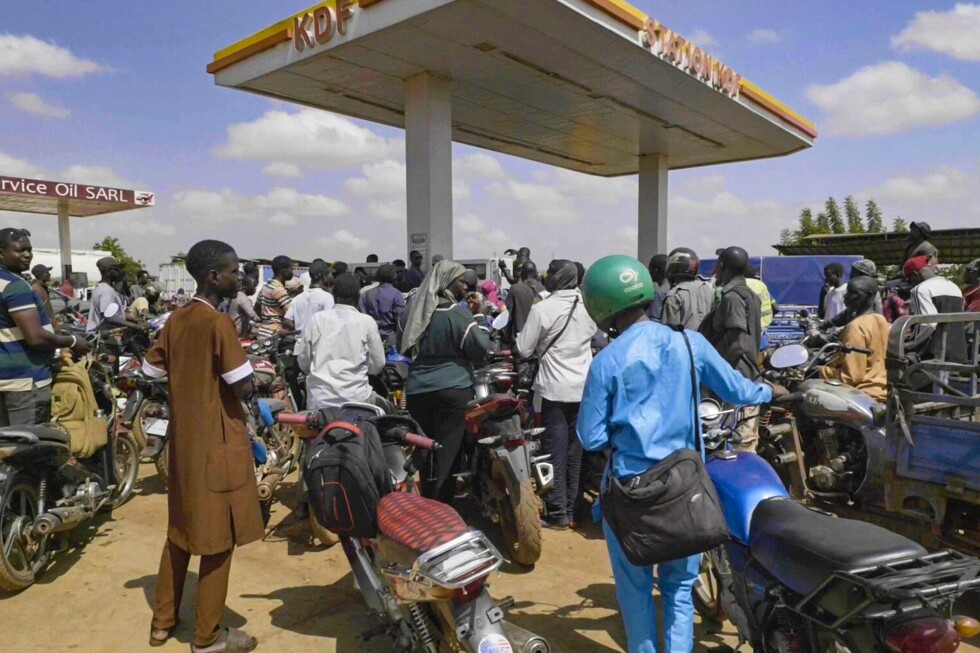
Mali’s military government has implemented fuel rationing measures as the country grapples with severe shortages caused by militant attacks on fuel supply routes. The announcement, made Thursday, aims to alleviate the long queues at gas stations that have become a common sight across the West African nation, particularly concerning as the Muslim holy month of Ramadan approaches.
Since September, al-Qaida-affiliated militants have intensified attacks on fuel trucks, burning more than a hundred vehicles in violent assaults that have severely disrupted Mali’s fuel import and distribution networks. The landlocked country, heavily dependent on overland transportation for its fuel supplies, has seen deliveries plummet dramatically.
Mali’s fuel importers union reported that only about 2,000 tanker trucks have entered the country since January, a stark contrast to the pre-crisis level of approximately 6,000 trucks monthly. This significant reduction has created widespread fuel scarcity, prompting authorities to intervene.
Under the new rationing system, vehicles will be registered by license plates and subject to strict refueling schedules. Passenger cars will be permitted to refuel once every 72 hours, while motorcycles face a 48-hour waiting period between fill-ups. Officials have framed these measures as ensuring more equitable distribution among consumers, though they did not specify when the restrictions would take effect.
In a notable development, Russian troops from the Africa Corps—Moscow’s state-controlled paramilitary force operating in West Africa—have begun escorting fuel convoys throughout Mali to protect them from militant attacks. This military assistance reflects Mali’s deepening security ties with Russia since the military junta seized power in May 2021.
“We are committed to ending the fuel crisis as long as the military continues to escort our tanker trucks,” said Ibrahim Touré, who leads the petroleum importers union, acknowledging the critical role of these security escorts in maintaining fuel supplies.
Moussa Alassane Diallo, Mali’s trade and industry minister, told petroleum importers that the rationing would “give us complete control” over gas stations and allow authorities to “monitor the quantities of fuel sold,” suggesting a dual focus on distribution and potential black market prevention.
The shift toward Russian security assistance reflects a broader regional trend. Mali, along with neighboring Burkina Faso and Niger, has pivoted away from traditional Western allies toward Russia for help in combating militant groups affiliated with al-Qaida and the Islamic State. These armed groups have exploited political instability and weak governance across the Sahel region.
However, the rationing measures have sparked concern among many Malians, particularly those whose livelihoods depend on regular fuel access. Taxi drivers have been especially vocal about potential impacts on their earnings.
“These measures may work for private cars, but for us taxi drivers, it’s going to be difficult because we don’t earn enough money to fill up our taxis every time we go,” said Oumar Coulibaly, a taxi driver in Bamako, the capital city. “We do a lot of trips, and we need fuel.”
Security analysts suggest the junta’s decision likely reflects growing concern about public discontent over prolonged fuel shortages, which could potentially undermine the military government’s popular support.
Beverly Ochieng, a senior analyst with the consultancy Control Risks’ Global Risk Analysis team, offered a cautious outlook: “Insecurity on supply routes due to militant presence and activity will remain a challenge to the transportation of fuel in the coming weeks, and the stability of supplies will vary.”
The fuel crisis represents yet another challenge for Mali’s 20 million citizens, who have already endured years of political instability, armed conflict, and economic hardship. With militant groups maintaining their grip on border regions and supply routes, Mali’s energy security remains precarious despite the government’s latest intervention.
Fact Checker
Verify the accuracy of this article using The Disinformation Commission analysis and real-time sources.

9 Comments
This is a concerning situation for Mali. Militant attacks on fuel supply routes have led to severe fuel shortages, forcing the government to implement rationing measures. With Ramadan approaching, this could create significant hardship for the population.
Disrupting critical infrastructure like fuel supplies is a common tactic used by extremist groups to sow instability. It’s important the government takes steps to secure these vital supply chains.
Fuel shortages can cripple a country’s transportation and economic activities. The government’s rationing plan is an attempt to equitably distribute limited resources, but long-term security and supply chain resilience are needed to truly address this crisis.
The landlocked nature of Mali and its heavy reliance on overland transport for fuel imports has made it particularly vulnerable to these attacks. The significant drop in monthly fuel truck deliveries is worrying and highlights the fragility of the country’s energy supply.
Rationing during Ramadan will be especially difficult. The government will need to work quickly to restore fuel security and ensure adequate supply for its citizens.
This is a complex issue with broader implications for Mali’s economy and society. The fuel shortages could have ripple effects across industries and daily life. It’s critical the government works to restore normalcy as quickly as possible.
It’s clear the militant groups are targeting Mali’s economic and energy infrastructure to create chaos and undermine the government. This fuel crisis is just the latest example of the challenges the country faces from these terrorist threats.
The international community should provide support to Mali in securing its fuel supply routes and bolstering its counter-terrorism efforts. Addressing this crisis is crucial for the country’s stability and development.
The fuel rationing measures seem like a necessary short-term response, but the government will need to find more sustainable solutions to ensure reliable fuel access for the long term. Improving security and diversifying supply channels should be priorities.