


Listen to the article
Malaysia Renews Lynas Rare Earths License with Strict Waste Conditions
Malaysia’s government has granted Australian miner Lynas Rare Earths a 10-year operating license renewal, but with stringent conditions requiring the company to eliminate radioactive waste production by 2031.
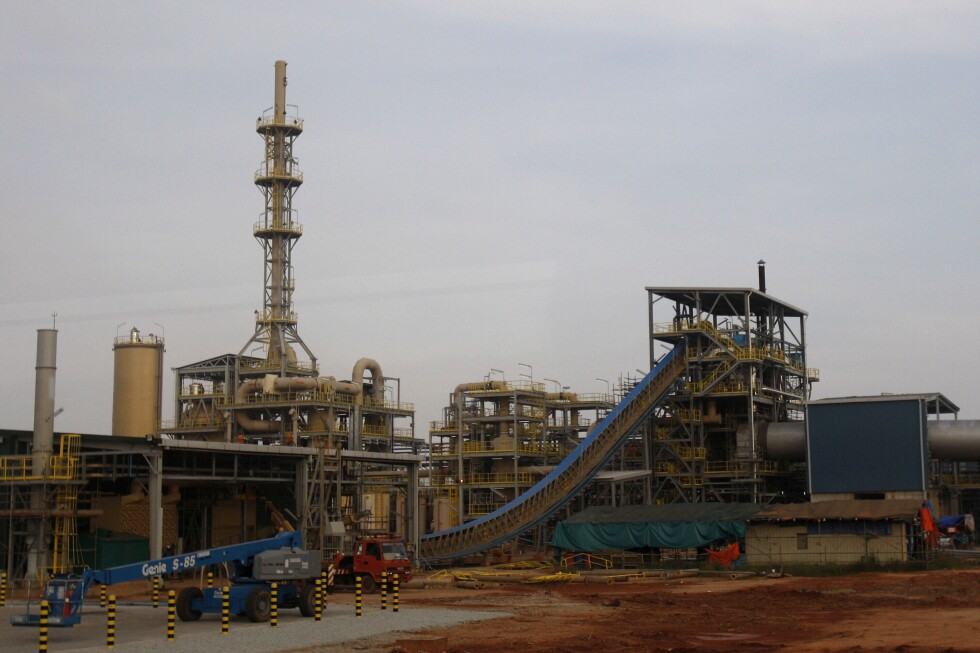
The Lynas facility in central Pahang state, which began operations in 2012, represents one of the few rare earths processing plants outside China. Since its opening, the refinery has faced persistent opposition from environmental groups concerned about radiation from accumulated waste.
Science Minister Chang Lih Kang announced on Monday that the renewed license will run until March 3, 2036, with a mandatory review after five years. The government has imposed strict conditions, including a requirement that any radioactive waste generated within the next five years must be treated and neutralized through thorium extraction or other methods. Additionally, no new permanent disposal facility will be permitted.
“We have not gone against our promise to prevent the accumulation of radioactive waste in Malaysia. We remain committed to that position, and through this license renewal, we aim to fully achieve this goal by 2031,” Chang stated.
The company has been given a five-year timeline to retrofit its facilities and adjust operations. Chang noted that while laboratory tests have shown promising results in neutralizing radiation through thorium extraction, scaling such technology to industrial levels typically requires seven to ten years. The accelerated timeline reflects the government’s determination to address long-standing environmental concerns.
Existing radioactive waste will be stored in a permanent disposal facility currently under construction, which is expected to be completed by the end of this year. The minister emphasized that the license can be revoked if Lynas violates any of the conditions.
Environmental activists have consistently demanded that Lynas export its radioactive waste, arguing that the refining process increases the hazard level of radioactive elements such as thorium and uranium. These concerns echo Malaysia’s troubled history with rare earth processing.
The Lynas controversy is particularly sensitive in Malaysia, where memories of an earlier environmental disaster linger. The country’s only previous rare earths refinery—operated by Japan’s Mitsubishi Group in northern Perak state—was shut down in 1992 following protests and claims linking it to birth defects and leukemia among local residents. That site remains one of Asia’s largest radioactive waste cleanup operations.
Despite these concerns, rare earth elements play a crucial role in the global technology supply chain. These 17 minerals are essential components in manufacturing high-tech products including electric vehicles, weapons systems, flat-screen TVs, mobile phones, and camera lenses.
The strategic importance of the Lynas operation extends beyond Malaysia’s borders. China currently dominates the global rare earths market, controlling about a third of the world’s reserves but maintaining a near-monopoly on processed supplies. According to Lynas, its Malaysian refinery has the capacity to meet nearly a third of global demand for rare earths, excluding China’s production.
This license renewal comes amid increasing global competition for rare earth processing capacity, as many nations seek to reduce dependence on Chinese supplies. The United States, Japan, and European countries have all launched initiatives to develop alternative supply chains for these critical minerals, which are essential for both green technology and defense applications.
The Malaysian government’s decision represents a delicate balancing act between environmental protection and strategic economic interests in an increasingly competitive global market for critical minerals.
Fact Checker
Verify the accuracy of this article using The Disinformation Commission analysis and real-time sources.

7 Comments
This 10-year license renewal for Lynas Rare Earths is a positive step, but the strict waste elimination requirements by 2031 will be a major challenge. Managing radioactive waste is critical for environmental and public health.
The 2031 deadline to eliminate radioactive waste sounds very ambitious. I wonder if Lynas will be able to achieve this without major disruptions to their operations. Curious to see how they plan to meet this target.
Lynas plays a strategic role in rare earths supply outside of China. Balancing economic development and environmental protection is always tricky, but this license renewal with waste conditions seems a reasonable compromise.
You’re right, rare earths are essential for many modern technologies, so ensuring responsible production is key. Malaysia is taking a measured approach here.
Lynas is a key player in global rare earth supply, so this long-term license renewal is positive news. The strict waste conditions are understandable given environmental concerns, but the 2031 deadline appears very challenging.
Rare earth elements are vital for clean energy and high-tech applications. But the environmental impact of processing must be carefully managed. This license renewal shows Malaysia taking a balanced approach.
Interesting that Malaysia is requiring Lynas to fully eliminate radioactive waste in just 10 years. That seems like a very tight timeline. I hope they can find viable solutions to safely handle the waste.