


Listen to the article
Malaysia Implements Total Ban on Electronic Waste Imports
In a decisive move to protect its environment, Malaysia has enacted an immediate and comprehensive ban on all electronic waste imports, firmly declaring that the country will no longer serve as a “dumping ground” for the world’s discarded technology.
The Malaysian Anti-Corruption Commission (MACC) announced late Wednesday that all electronic waste, commonly referred to as e-waste, has been reclassified under the “absolute prohibition” category with immediate effect. This significant policy change eliminates the previous system that allowed the Department of Environment to grant exemptions for certain e-waste imports.
“E-waste is no longer permitted,” MACC Chief Azam Baki stated firmly, promising “firm and integrated enforcement action” to prevent illegal shipments from entering the country.
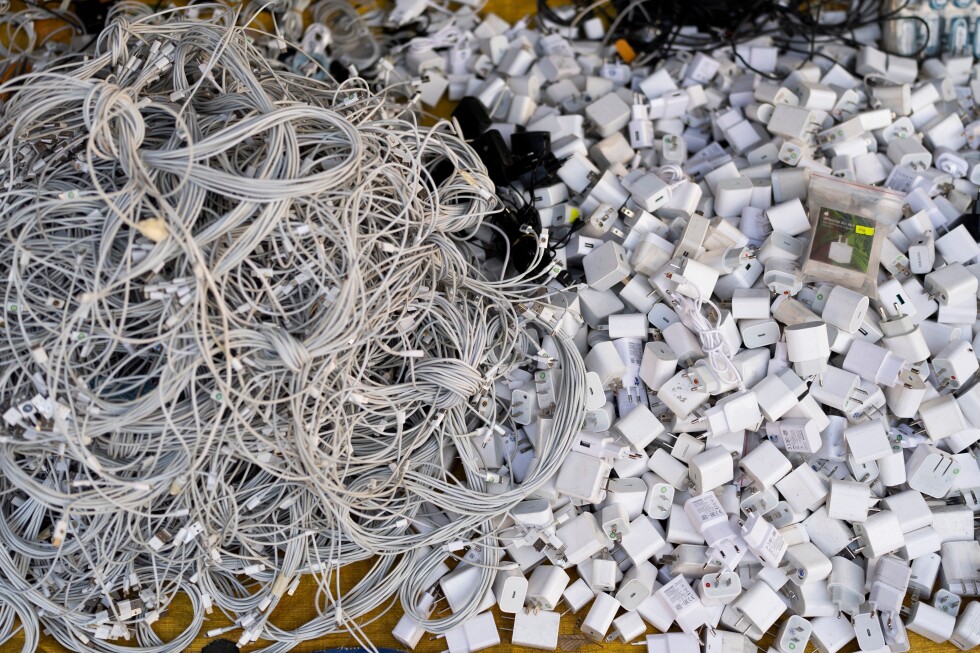
The ban addresses mounting concerns about the environmental and health impacts of e-waste, which includes discarded electronic products such as computers, mobile phones, and household appliances. These items often contain hazardous substances including lead, mercury, and cadmium that can contaminate soil and water resources when improperly handled or disposed of.
Malaysia has struggled with substantial volumes of imported e-waste in recent years, with authorities seizing hundreds of containers of suspected illegal electronic waste at ports. Many of these shipments were subsequently issued notices for return to their countries of origin.
The strengthened regulations come amid an expanding corruption investigation related to e-waste management. Last week, the MACC detained the director-general of the environment department and his deputy on allegations of abuse of power and corruption involving e-waste oversight. As part of this investigation, authorities have frozen bank accounts and seized cash connected to the case.
Malaysia’s Home Ministry reinforced the government’s stance on social media, stating: “Malaysia is not a dumping ground for the world’s waste. E-waste is not just garbage but a serious threat to the environment, people’s health and national security.”
The e-waste crisis extends beyond Malaysia’s borders. Indonesia, Malaysia’s neighbor, has also taken action against toxic electronic waste shipments. Late last year, Indonesian authorities intercepted more than 70 containers of hazardous e-waste, primarily from the United States, at a port on Batam Island. Four of these containers, loaded with used computers, hard drives, and other electronic components, were returned to the U.S. last month.
Southeast Asian nations have increasingly become targets for international waste shipments following China’s 2018 decision to ban most foreign waste imports. This policy shift forced exporters to seek alternative destinations with lower recycling costs and potentially less rigorous enforcement. However, governments across Southeast Asia have been steadily strengthening their import controls and waste management regulations in response.
Environmental experts have long advocated for stronger measures against e-waste importation. The global e-waste problem has grown substantially in recent years as consumer electronics consumption has increased while product lifespans have shortened. According to the Global E-waste Monitor, approximately 53.6 million metric tons of e-waste was generated worldwide in 2019, and this figure is projected to reach 74.7 million metric tons by 2030.
Malaysia’s total ban represents one of the strictest measures implemented in the region and signals the country’s commitment to environmental protection and responsible waste management. The move is expected to force exporting nations, particularly developed countries, to improve their domestic recycling infrastructure rather than shipping problematic materials overseas.
Fact Checker
Verify the accuracy of this article using The Disinformation Commission analysis and real-time sources.

15 Comments
This is a necessary and responsible move by Malaysia to curb the influx of e-waste. Proper disposal and recycling of electronic products is crucial to protect the environment and public health. It will be interesting to see how neighboring countries respond and if they follow suit.
Agreed. Malaysia is taking a stand against becoming a dumping ground for hazardous e-waste. Stricter regulations and enforcement are needed globally to address this growing issue.
This is an important move by Malaysia, but it also raises questions about the downstream impact on the global electronics industry. How will manufacturers and recyclers adapt to the loss of a major e-waste processing hub? Innovative solutions will be needed.
I’m curious to see how this policy change will impact the global supply chain for electronics and metals recycling. Malaysia was a major hub, so this could disrupt flows and create opportunities for other countries to step up responsible e-waste management.
That’s an interesting perspective. This move by Malaysia could indeed shift the dynamics of the international e-waste trade and spur other nations to improve their own policies and infrastructure in this area.
While the e-waste ban is laudable, I wonder about the potential unintended consequences. Will it lead to more illegal dumping or trafficking in neighboring countries? Holistic regional coordination may be needed to address this challenge effectively.
That’s a valid concern. Displacement of the problem to other countries is a real risk that will require close monitoring and multilateral efforts to prevent. A comprehensive, coordinated approach across Southeast Asia would be ideal.
It’s encouraging to see Malaysia taking such a firm stance against illegal e-waste dumping. This issue has global implications, and other countries should follow suit to prevent the transfer of hazardous waste to vulnerable regions. Consistent international cooperation will be vital.
While the ban on e-waste imports is a positive step, concerns remain about the ability to effectively enforce it and prevent illegal smuggling. Strengthening cross-border cooperation and information-sharing will be key to making this policy truly impactful.
That’s a fair point. Enforcement will be critical, as criminal enterprises may find ways to circumvent the ban. Regional collaboration and intelligence-sharing could help close loopholes and catch violators.
Malaysia’s ban on e-waste imports is a step in the right direction, but the country must also invest in developing its own domestic recycling capabilities. This will help ensure responsible management of electronic waste and create economic opportunities.
I agree. Developing local e-waste recycling infrastructure is crucial, both for environmental protection and to capture the economic value of the materials. This could be an area of growth and innovation for Malaysia.
Kudos to Malaysia for taking a strong stance against illegal e-waste dumping. This sets an important precedent that other developing countries should follow to protect their environments. The global community needs to work together to tackle this growing environmental challenge.
Banning e-waste imports is a bold step, but implementation will be key. Malaysia must ensure effective monitoring and penalties to deter illegal dumping. Investing in domestic e-waste recycling infrastructure would also help manage the waste responsibly.
You make a good point. Robust enforcement and building local recycling capacity will be crucial for the success of this ban. It’s a complex issue that requires a multifaceted approach.