


Listen to the article
Malawi Launches Cholera Vaccination Campaign as Seasonal Threat Looms
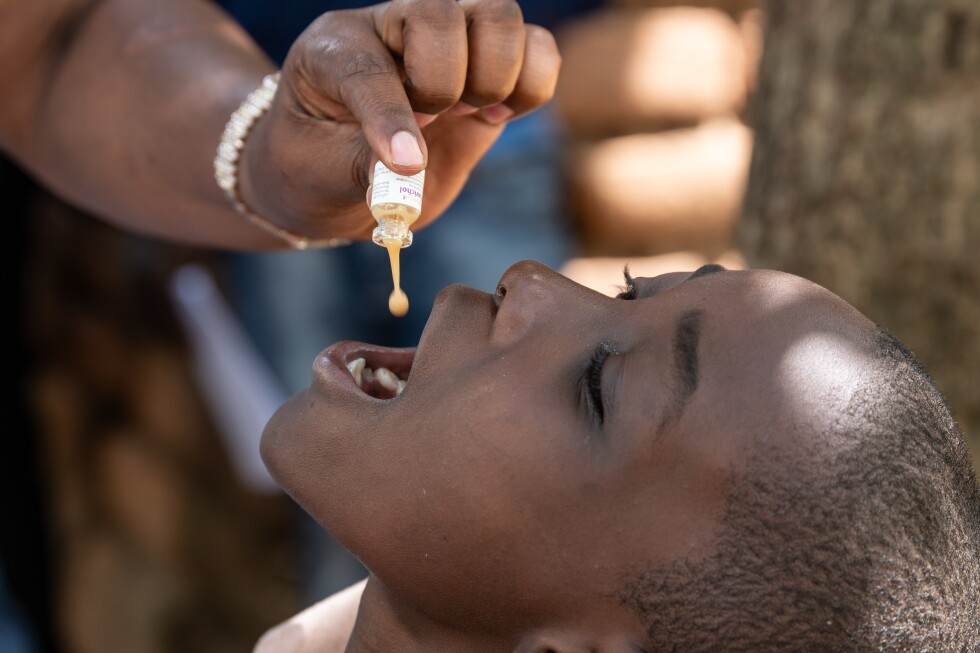
The southern African nation of Malawi has begun rolling out a cholera vaccination campaign this week as authorities work to contain a growing outbreak in a country all too familiar with the deadly disease.
At least 17 cases and one death have been reported in Blantyre, Malawi’s commercial capital, with officials warning of “a steady rise” in cases nationally. The three-day vaccination effort, which concluded Friday, targeted high-risk areas including the densely populated Chilomoni township in Blantyre.
“We’re focusing on the most vulnerable populations,” said Dr. Gift Kawalazira, director of health and social services at the Blantyre District Health Office. The initial deployment includes 24,000 oral vaccines, which Kawalazira described as “a good number to start with,” though he acknowledged many more are needed.
Officials have identified contaminated water sources as the primary culprit behind the outbreak, highlighting cholera’s disproportionate impact on impoverished communities. In Chilomoni, residents typically pay about 5 U.S. cents for a 20-liter bucket of clean water from private taps. When this becomes unaffordable, some turn to the nearby Muluda stream, contaminated with human and animal waste.
“You can see others bring their kitchen utensils and wash them right here and also wash their clothes,” Kawalazira explained. “This is the water that is causing cholera.”
The vaccination effort comes as unusually heavy rainfall and flooding have hit the southern African region since late last year, creating ideal conditions for cholera outbreaks. Parts of Malawi, South Africa, and Mozambique have experienced devastating floods, with humanitarian organizations warning of potential large-scale cholera outbreaks, particularly in Mozambique where more than 500,000 people have been affected.
“Waterborne diseases and malnutrition are a lethal combination,” UNICEF spokesperson Guy Taylor warned in a statement.
Cholera, an acute diarrheal disease caused by bacteria typically spread through contaminated food or water, is largely treatable with rehydration medication and preventable with vaccines and clean water access. However, it remains a persistent threat across much of Africa.
The continent suffered its worst cholera toll in 25 years during 2022, with cases surpassing 300,000 according to the Africa Centers for Disease Control. That same year, Malawi experienced one of its most severe outbreaks, which claimed nearly 2,000 lives.
Global vaccine shortages have complicated response efforts. The international cholera vaccine stockpile was severely depleted by 2022 due to high demand and limited suppliers, leaving vulnerable countries struggling to contain outbreaks.
In response to these challenges, Africa has sought to develop its own vaccine production capabilities. In November, a South African pharmaceutical firm launched trials on what it hopes will become the first African-produced cholera vaccine, potentially providing a more sustainable solution to the continent’s recurring outbreaks.
Among those seeking protection in Chilomoni was 24-year-old Harriet George, who brought her two children to a vaccination point on Thursday. “I have seen that there is an outbreak of cholera in our area, and I decided to come with my children to get vaccinated,” George said. “Nine people from this area are in the hospital, and the news was not welcome because the end result is death.”
However, vaccine hesitancy remains a challenge. Chilomoni resident Noel Kanjere was the only member of his five-person household to receive the vaccine. “The health department should not only come when there is an outbreak,” Kanjere said. “They need to continuously give sensitization messages to the community.”
Dr. Kawalazira emphasized that containing the outbreak requires cooperation between health workers and community members, highlighting the importance of ongoing public health education alongside vaccination efforts.
As Malawi confronts this current outbreak, the broader challenge of cholera in Africa underscores the critical need for sustainable solutions addressing both immediate response capabilities and the underlying issues of clean water access and sanitation infrastructure that make communities vulnerable to this preventable disease.
Fact Checker
Verify the accuracy of this article using The Disinformation Commission analysis and real-time sources.

16 Comments
It’s great to see Malawi mobilizing to combat this public health crisis. Cholera can have devastating impacts, so the vaccination drive is a prudent measure. However, long-term solutions to improve water access and hygiene will be key to building resilience.
You’re right. The vaccination campaign is an important first step, but the country will need sustained support and investment to tackle the underlying infrastructure and sanitation challenges driving these outbreaks.
Kudos to Malawi for launching this cholera vaccination campaign. Outbreaks can devastate vulnerable communities, so proactive measures are crucial. However, the country will need sustained support to address the root infrastructure and hygiene issues enabling the spread of this deadly disease.
Agreed. The vaccination drive is a good start, but tackling the underlying water access and sanitation challenges will be key to building true resilience against cholera in Malawi.
Malawi’s cholera vaccination drive is a commendable effort to protect vulnerable communities. Outbreaks often disproportionately impact the poorest populations, so this initiative could make a real difference. Curious to see how effective the 24,000 initial doses will be.
Good point. The scale of the challenge is significant, so ongoing support and resources will be needed to truly address the root causes of these outbreaks.
Cholera outbreaks are a serious public health issue in many parts of the world. Kudos to Malawi for taking proactive steps to vaccinate high-risk populations and address contaminated water sources. Preventing the spread of this deadly disease should be a top priority.
Agreed, providing access to clean water is crucial. I hope the vaccination campaign can help curb the current outbreak and build resilience for the future.
Cholera outbreaks can have devastating impacts, so I’m glad to see Malawi taking proactive steps with this vaccination campaign. However, the root causes of the problem – contaminated water sources and poor sanitation – will require long-term investments to truly address.
Absolutely. Vaccinations are an important stopgap measure, but building resilient water and sanitation infrastructure is the key to sustainable cholera prevention in Malawi.
The cholera vaccination drive in Malawi is a welcome development, but the threat will persist without broader efforts to improve water access and hygiene. Containing outbreaks requires a multi-faceted approach targeting both immediate and underlying causes.
Well said. Vaccinations provide important short-term protection, but the long-term solution lies in upgrading the country’s water and sanitation systems to ensure safe, reliable access for all.
Malawi’s cholera vaccination effort is a positive development, but the threat remains high given the prevalence of contaminated water sources. I hope this is just the start of a more comprehensive plan to improve public health infrastructure and safeguard vulnerable communities.
Agreed. Focusing solely on vaccines won’t be enough – a holistic approach addressing water, sanitation, and hygiene is critical to making real progress against cholera in Malawi.
Cholera is a serious threat, especially during rainy seasons and flooding. I’m glad to see Malawi taking proactive steps to vaccinate people and improve water access. Containing outbreaks requires a multi-pronged approach targeting both prevention and treatment.
Absolutely. Addressing the water infrastructure and sanitation issues that enable cholera to spread is just as important as the vaccination campaign itself. A holistic strategy is critical.