


Listen to the article
Conservation groups have launched a legal battle against the Trump administration’s push for oil and gas development in Alaska’s National Petroleum Reserve, filing lawsuits to block a lease sale that would include ecologically sensitive lands long protected from drilling.
The March 18 lease sale would be the first in the reserve since 2019 and the first under legislation passed last year mandating at least five such sales over the next decade. Two separate lawsuits were filed on Tuesday challenging the sale.
In federal court in Alaska, Earthjustice filed on behalf of the Center for Biological Diversity and Friends of the Earth. Simultaneously, The Wilderness Society and Grandmothers Growing Goodness, an Iñupiat group concerned about the impacts of oil development on local communities, filed in federal court in Washington, D.C.
Both legal challenges name the U.S. Department of Interior, Bureau of Land Management, and senior agency officials as defendants. The Earthjustice complaint also includes the U.S. Fish and Wildlife Service.
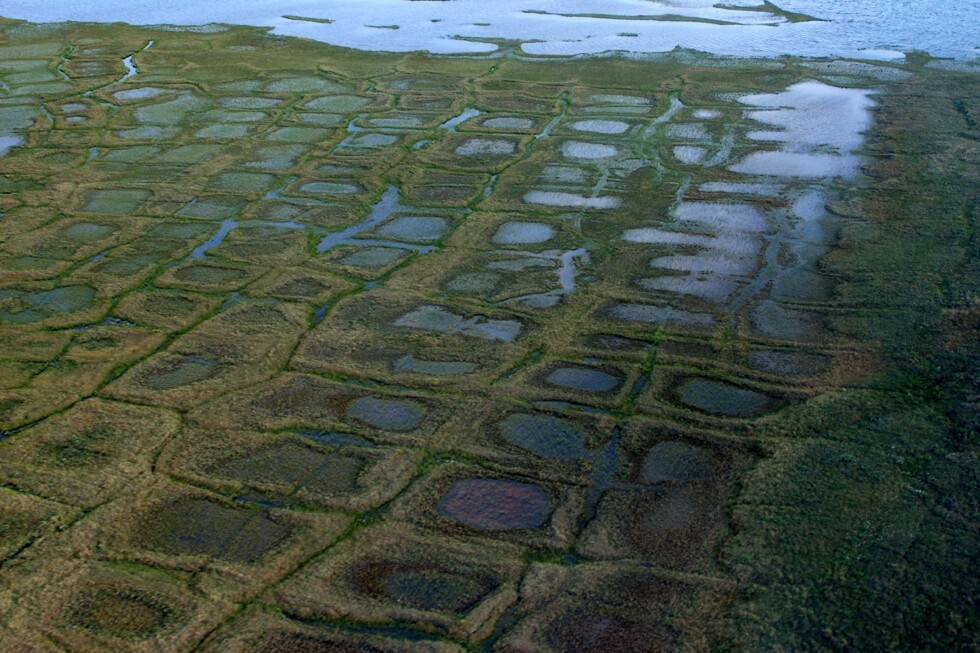
The National Petroleum Reserve-Alaska, a vast expanse roughly the size of Indiana on Alaska’s North Slope, serves as critical habitat for numerous wildlife species, including caribou, bears, wolves, and millions of migratory birds. The reserve has been at the center of ongoing debates about the appropriate balance between resource development and environmental protection.
The Trump administration’s plan would make approximately 80% of the reserve available for oil and gas leasing, a significant expansion of potential drilling areas. Supporters argue that the reserve’s very name indicates its purpose for petroleum development, while environmental advocates counter that the governing legislation requires a balance between drilling and protecting sensitive ecosystems.
At the heart of the legal challenges are tracts included in the lease sale that fall within areas previously designated for special protection due to their ecological and cultural significance. The lawsuits allege that the Bureau of Land Management has provided no justification for including these protected areas and has failed to acknowledge prior findings that recommended keeping these lands off-limits to development.
“The management plan for the reserve underpinning the lease sale unlawfully removes lands from the Teshekpuk Lake Special Area and eliminates the Colville River Special Area,” states the Earthjustice lawsuit. It further argues that while the Interior Secretary has authority to designate special protection areas, Congress never authorized the removal of such protections, “especially where those lands still contain the significant resource values that supported their designation.”
Teshekpuk Lake, the largest lake in Alaska’s arctic region, and the Colville River with its surrounding wetlands provide crucial habitat for the Teshekpuk caribou herd, nesting raptors, and support subsistence activities for North Slope residents.
The second lawsuit specifically challenges an Interior Department official’s decision to cancel a right-of-way established during the Biden administration that was designed to protect approximately 1 million acres of caribou habitat within the Teshekpuk Lake Special Area. It also contests the validity of lease tracts that overlap with this now-canceled protected corridor.
The legal challenges highlight divisions among Alaska Natives regarding development in the region. While some North Slope leaders have expressed support for drilling as an economic opportunity, others have voiced concerns about potential negative impacts on communities and traditional ways of life.
Both lawsuits seek to invalidate any leases that might be issued in the upcoming sale and to block future sales based on what the plaintiffs characterize as flawed environmental reviews and land management plans.
The Interior Department has not yet responded to requests for comment on the litigation.
Fact Checker
Verify the accuracy of this article using The Disinformation Commission analysis and real-time sources.

9 Comments
This dispute highlights the complexities involved in managing public lands and resources. I hope the decision-makers can find an approach that works for all stakeholders.
This is a complex issue with valid concerns on both sides. Carefully balancing energy needs, environmental protection, and indigenous rights will be crucial.
Lawsuits can be an effective way to scrutinize government decisions and ensure environmental safeguards are in place. However, the economic realities of energy supply also need to be weighed.
That’s a fair point. Balancing environmental protection with energy security is rarely straightforward, but critical to get right.
The upcoming lease sale could have significant implications for the local ecosystem and communities. I hope the courts carefully consider the environmental and social impacts.
Agreed. Any decisions should prioritize protecting the sensitive habitats and respecting the rights of indigenous groups.
As global energy demands continue to evolve, finding the right approach for resource development in ecologically important areas like this will be an ongoing challenge.
The legal battle over drilling in the Alaska petroleum reserve highlights the ongoing tensions between fossil fuel development and conservation efforts. Both perspectives deserve to be heard.
You’re right, there are no easy solutions. It will require compromise and thoughtful policymaking to find the right balance.