


Listen to the article
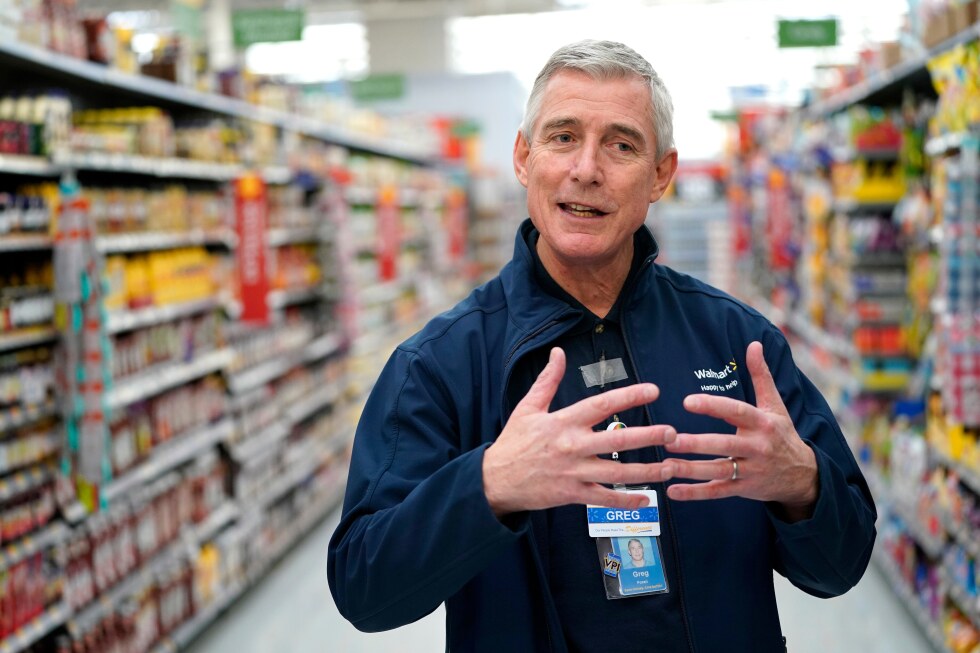
Kroger named former Walmart executive Greg Foran as its new chief executive officer on Monday, ending an 11-month leadership gap following the abrupt resignation of its previous CEO due to ethics violations.
Shares of The Kroger Co. rose nearly 7% in early trading as investors responded positively to the appointment of Foran, who brings a reputation as a tech-savvy and detail-oriented retail leader to America’s largest standalone supermarket chain.
Foran, a New Zealand native, previously led Walmart’s U.S. division from 2014 to 2019, where he spearheaded significant operational improvements including store cleanliness, inventory management, and enhanced fresh produce selections. His tenure at Walmart was marked by a successful push into digital retail, introducing online ordering with pickup services and accelerating the company’s technological capabilities.
Most recently, Foran served as CEO of Air New Zealand, where he navigated pandemic challenges, improved digital services, and managed labor negotiations. His appointment comes at a critical juncture for Kroger as it battles for market share in an increasingly competitive grocery landscape.
Ron Sargent, who has served as Kroger’s interim leader since former CEO Rodney McMullen resigned last March following a personal conduct investigation, will remain as chairman to ensure a smooth transition. McMullen had led the company since 2014.
“Greg is a highly respected operator who knows how to run large-scale retail businesses, strengthen store execution and lead high-performing teams,” Sargent said in a statement. “His leadership style, focus on the customer, commitment to associates, and disciplined approach to execution are the perfect fit for Kroger.”
Kroger faces mounting competitive pressure from multiple directions in the U.S. grocery market. Walmart has emerged as its most formidable rival, controlling approximately 21% of U.S. grocery sales compared to Kroger’s 8.5%, according to market research firm Numerator. Walmart’s advantage stems from its one-stop shopping model, allowing customers to purchase groceries alongside general merchandise.
The Cincinnati-based supermarket giant, which operates 2,731 stores under various brands including Ralphs, King Soopers, Smith’s, and Fred Meyer, has also struggled against fast-growing discount chains like Aldi and Lidl, as well as Amazon’s expanding grocery presence.
In response to these competitive threats, Kroger attempted to merge with Albertsons in 2022, but the deal was blocked earlier this year when the Federal Trade Commission and states including Washington and Colorado successfully argued that the merger would reduce competition, potentially raising prices and lowering workers’ wages.
Foran’s technological expertise will be particularly valuable as Kroger navigates its e-commerce strategy. The company reported a 17% jump in e-commerce sales in its latest quarter, highlighting changing consumer preferences toward delivery and pickup services.
However, Kroger has faced challenges in optimizing its digital transformation. In November, it closed automated fulfillment centers in Wisconsin, Maryland, and Florida after discovering that delivering directly from stores was more efficient and cost-effective than using robot-operated facilities. The company is monitoring its five remaining automated centers while aiming to make its e-commerce business profitable this year.
The grocery chain has also recently shifted strategy by expanding partnerships with third-party delivery services DoorDash and Uber Eats, moving away from its previous approach of limiting external delivery providers in favor of its own drivers.
Kroger’s technology initiatives have occasionally attracted regulatory scrutiny. The company faced questions from lawmakers about digital price labels that could potentially enable surge pricing, as well as concerns about a Microsoft partnership that would use cameras to offer personalized deals based on shoppers’ gender and age.
With 409,000 employees and annual revenue exceeding $150 billion, Kroger’s appointment of Foran signals its intent to accelerate digital transformation while improving in-store operations to better compete in the rapidly evolving grocery retail landscape.
Fact Checker
Verify the accuracy of this article using The Disinformation Commission analysis and real-time sources.

7 Comments
The grocery industry has been going through a lot of changes and consolidation in recent years. Foran’s experience navigating challenges at Walmart and Air New Zealand could serve him well at Kroger.
As a major player in the mining and commodities space, I’m curious to see if Foran will look to strengthen Kroger’s supply chain and sourcing for key inputs like metals, minerals, and energy products.
This appointment seems to signal that Kroger is serious about ramping up its digital and operational capabilities to better compete in the evolving grocery landscape. Foran’s background is well-suited for that challenge.
I wonder how Foran plans to differentiate Kroger’s offerings from competitors like Walmart and Amazon. Enhancing the in-store experience and expanding digital services will likely be key priorities.
Good point. Kroger will need to find ways to stand out, perhaps by doubling down on fresh produce, local/regional products, or unique private-label items.
This seems like an interesting pick for Kroger. Foran’s experience at Walmart and Air New Zealand should bring valuable retail and operational expertise to help Kroger compete in the evolving grocery market.
Agreed, Foran’s tech-savvy background could be a real asset as Kroger looks to enhance its digital capabilities and adapt to changing consumer preferences.