


Listen to the article
A Los Angeles jury has ordered Johnson & Johnson to pay $40 million to two women who claimed the company’s talcum powder products caused their ovarian cancer, marking the latest setback for the healthcare giant in its ongoing talc litigation battle.
The verdict, delivered Friday, awards $18 million to Monica Kent and $22 million to Deborah Schultz and her husband. The plaintiffs’ attorney, Daniel Robinson of Newport Beach-based Robinson Calcagnie law firm, highlighted the decades-long loyalty his clients showed to Johnson & Johnson products, describing it as “a one-way street” that ultimately led to devastating health consequences.
Johnson & Johnson immediately announced plans to appeal the decision. Erik Haas, the company’s worldwide vice president of litigation, maintained the company’s position that its talc products are safe, stating the findings were “irreconcilable with decades of independent scientific evaluations confirming that talc is safe, does not contain asbestos, and does not cause cancer.” Haas also noted that the company had previously prevailed in “16 of the 17 ovarian cancer cases it tried.”
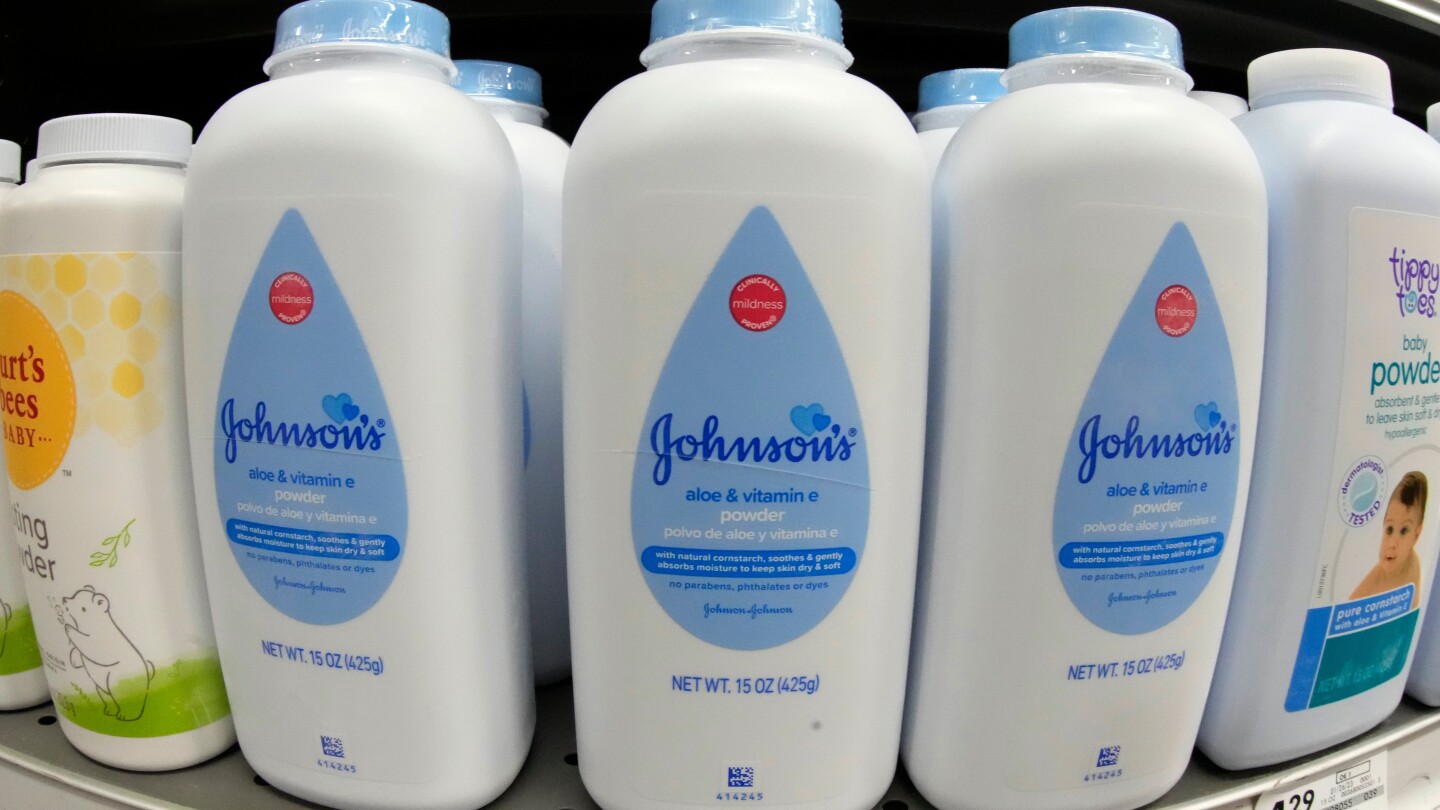
This case represents just one chapter in a protracted legal saga involving thousands of lawsuits alleging Johnson & Johnson’s iconic baby powder and Shower to Shower body powder contained asbestos that caused ovarian cancer and mesothelioma. The litigation has significantly impacted the consumer healthcare company’s operations and reputation over the past decade.
The financial implications for Johnson & Johnson have been substantial. Just last October, a separate California jury ordered the company to pay $966 million to the family of a woman who died of mesothelioma allegedly linked to asbestos contamination in baby powder.
Despite consistently defending the safety of its products, Johnson & Johnson began phasing out talc-based baby powder in North America in 2020, replacing it with cornstarch as sales declined amid the growing controversy. By 2023, the company had completely discontinued talc-based powder products worldwide, marking the end of an era for one of its most recognizable consumer items.
The legal challenges have extended beyond individual lawsuits. In April, a U.S. bankruptcy court judge rejected Johnson & Johnson’s proposed $9 billion settlement plan that sought to resolve thousands of ovarian cancer and other gynecological cancer litigation claims related to its talc products. The rejection of this settlement strategy has forced the company to continue addressing cases individually, increasing its potential financial exposure.
The talc controversy has fundamentally altered the consumer health landscape, with many companies reformulating personal care products to eliminate talc entirely. The litigation has also intensified regulatory scrutiny of cosmetic ingredients and prompted increased consumer awareness about potential carcinogens in everyday products.
For the plaintiffs in this latest case, the verdict represents validation after years of legal proceedings. Their attorney emphasized that these women had faithfully used Johnson & Johnson products for approximately 50 years, only to face serious health consequences.
Industry analysts note that Johnson & Johnson’s continued legal battles over talc represent one of the most significant product liability issues in recent decades. The company, which maintains a massive portfolio spanning pharmaceuticals, medical devices, and consumer health products, has seen its consumer division particularly affected by the ongoing talc litigation.
As Johnson & Johnson pursues its appeal, the case adds to the growing body of legal precedent regarding corporate responsibility for product safety and the burden of proof in establishing causation between consumer products and cancer claims.
Fact Checker
Verify the accuracy of this article using The Disinformation Commission analysis and real-time sources.

8 Comments
This case highlights the ongoing tension between companies that produce consumer products and the individuals who claim those products caused them harm. Navigating these disputes through the courts is challenging for all involved.
It will be interesting to see if J&J can successfully appeal this verdict. The scientific evidence on the safety of talc seems to be a key point of contention.
This latest ruling against J&J highlights the ongoing legal challenges the company faces over its talc products. While they maintain the safety of their products, the verdict suggests more tough battles ahead as they fight these cancer claims.
It will be interesting to see how J&J’s appeal fares. The company seems confident in its position, but the legal system has now ruled against them in this case.
The jury’s decision to award $40 million to these two cancer patients suggests they found compelling evidence linking J&J’s talcum powder to their illnesses. However, J&J maintains the products are safe, setting up a continued legal battle.
This case underscores the complex and contentious nature of the talc litigation. Patients feel betrayed by a company they trusted, while J&J insists its products are safe. Ultimately, the courts will have to weigh the evidence and make difficult decisions.
Lawsuits like this have major financial and reputational implications for J&J. They will fight hard to protect their brand and bottom line, but the human toll is concerning.
The $40 million award to these two cancer patients is a significant win, but the broader legal battle over talc products is far from over. J&J’s appeal will be closely watched as this saga continues to unfold.