


Listen to the article
New Mexico’s groundbreaking case against Meta nears conclusion after six weeks of intensive testimony, with closing arguments expected next week. The lawsuit, which could potentially result in billions of dollars in penalties, centers on allegations that the social media giant failed to adequately disclose the risks its platforms pose to children.
State prosecutors assert Meta violated New Mexico’s consumer protection laws by misrepresenting the dangers children face on Instagram, Facebook, and WhatsApp. These risks allegedly include mental health problems, addiction, and exposure to sexual exploitation. Throughout the trial, jurors have reviewed thousands of internal documents and heard testimony from Meta executives, platform engineers, whistleblowers, psychiatric experts, and school educators.
The case, initiated by New Mexico Attorney General Raúl Torrez in 2023, stands apart from other social media litigation by focusing on consumer protection rather than content liability. This legal strategy potentially sidesteps the immunity shield provided by Section 230 of the U.S. Communications Decency Act, which typically protects tech companies from liability for user-posted content.
At the heart of New Mexico’s case is an undercover investigation in which state agents created social media accounts posing as children to document sexual solicitations and Meta’s response to them. The lawsuit contends that Meta has not fully disclosed or addressed addiction risks associated with its platforms, although company representatives have disputed the term “addiction,” preferring to acknowledge “problematic use.”
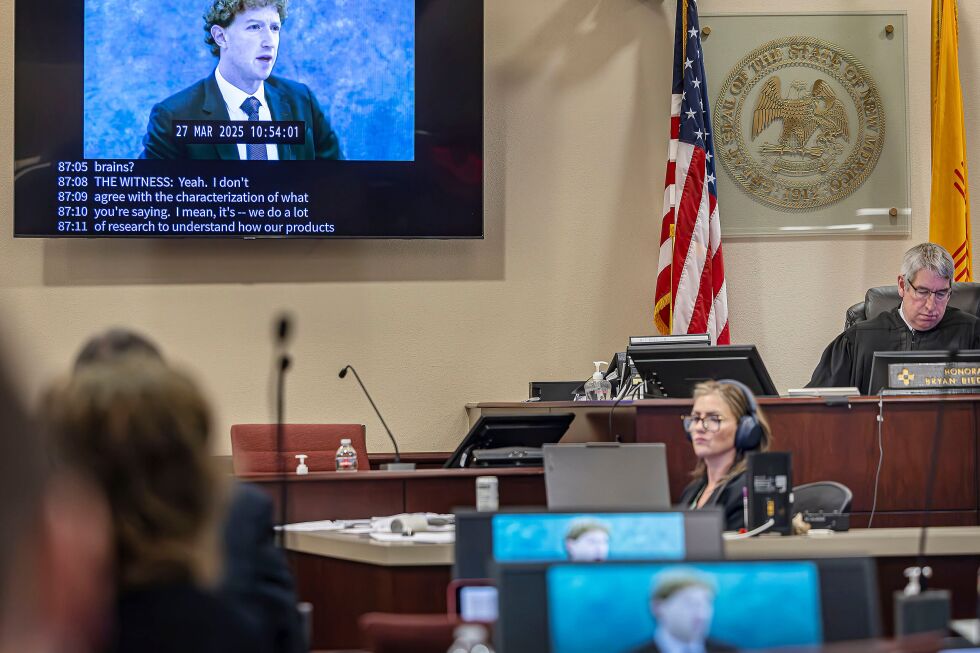
Meta’s defense has centered on highlighting the company’s built-in protections for teenagers and its systems for filtering harmful content. Instagram head Adam Mosseri testified about the company’s approach to risk disclosure, stating, “We believe it’s important to disclose the risks, but to do so in a consistent and rigorous way.” CEO Mark Zuckerberg, in a video deposition, emphasized that “safety is extremely important for the service and having it be something that people trust and want to use over time.”
The jury must determine whether Meta knowingly misrepresented platform risks through omission or active concealment. One count of the consumer protection violations alleges that Meta engaged in “unconscionable” trade practices by targeting children for social media engagement as a source of long-term profit while knowing the sexual exploitation risks they faced.
If jurors find these violations were “willful,” civil penalties could reach up to $5,000 per violation. The prosecution suggests these penalties could accumulate significantly given New Mexico’s user base, while Meta has requested limiting sanctions to one penalty per misleading statement rather than multiplying by the number of users affected.
This trial occurs amid growing national concern about social media’s impact on youth. School districts across the country are implementing smartphone restrictions in classrooms, and similar lawsuits are progressing through courts elsewhere. In California, a jury is currently deliberating a separate case about social media companies’ liability for harms caused to children, one of three bellwether cases that could influence thousands of similar lawsuits nationwide.
Should the jury find Meta violated consumer protection laws, the case will advance to a second phase, potentially in May. In this non-jury phase, State District Judge Bryan Biedscheid will determine whether Meta created a public nuisance with its platforms and should finance public programs to address the resulting harm.
Attorney General Torrez has indicated he will seek court-ordered relief requiring Meta to change its business practices and remedy harm to children, stating, “We’re going to have meaningful investments in targeted strategic programming around how you use the internet and how you use social media in ways that are responsible and healthy.”
This landmark trial represents one of the first in a wave of legal challenges facing major social media platforms as society grapples with their profound impact on younger generations.
Fact Checker
Verify the accuracy of this article using The Disinformation Commission analysis and real-time sources.

21 Comments
This case highlights the complex balance between innovation, free speech, and consumer protection. I’m curious to see if the prosecutors’ novel legal strategy around consumer laws will be successful.
That’s an interesting point. Bypassing Section 230 protections could open up new avenues for holding tech companies accountable. It will be a pivotal decision.
The testimony from whistleblowers and experts will be crucial in determining whether Meta truly failed to disclose the risks to children. I hope the jury can cut through the complexity and reach a well-reasoned decision.
This trial shines a spotlight on the urgent need for greater regulation and oversight of social media platforms, especially when it comes to protecting vulnerable young users. I’m keen to see the final outcome.
Yes, the resolution of this case could pave the way for significant changes in how these platforms operate. It’s a high-stakes moment for both the tech industry and consumer protection.
The potential for billions in penalties against Meta underscores the gravity of the situation. I hope the jury is able to reach a fair verdict based on the comprehensive evidence presented.
It’s critical that the jurors carefully weigh all the evidence presented, from the internal documents to the expert testimony. This decision will impact many young lives.
Agreed. The stakes are incredibly high, both for Meta and for the children and families affected by the platform’s alleged failures. A thorough, impartial review of the facts is essential.
The sheer volume of evidence the jurors have to wade through on this case is daunting. I admire their dedication in reviewing all the technical details and expert testimony.
Agreed, this must be an incredibly complex and challenging case to preside over. The jury has their work cut out for them in rendering a fair and well-informed verdict.
This trial highlights the delicate balance between innovation, free speech, and consumer protection. I’m curious to see how the jury navigates these complex legal and ethical issues.
Agreed, it’s a challenging case with far-reaching implications. The jury’s decision will set an important precedent for how tech companies are held accountable for the impact of their platforms.
This trial could set an important precedent for how social media platforms are held accountable for the real-world harms caused to vulnerable users. I’ll be closely following the closing arguments.
Absolutely. The outcome of this case could have far-reaching implications for the entire tech industry and how it approaches child safety moving forward.
This is a high-stakes trial that could have major implications for social media companies and how they handle child safety. It will be interesting to see how the jury navigates the complex technical and legal issues presented.
I agree, the internal documents and expert testimony will be crucial in determining whether Meta violated consumer protection laws. This case could set an important precedent.
The risks to children’s mental health and wellbeing from social media platforms are troubling. I’m glad to see this issue being taken seriously in the courts. Transparency and accountability are essential.
Absolutely. If the allegations are proven true, Meta must be held accountable. The safety of young users should be the top priority for these platforms.
While the allegations against Meta are concerning, I hope the company is given a fair hearing. The safety of children is paramount, but the legal issues involved are nuanced.
It’s concerning to hear about the potential for sexual exploitation and addiction issues related to social media use by children. I hope the jury carefully weighs all the evidence presented.
Yes, these are serious harms that need to be addressed. The outcome of this case could force major changes in how social media companies operate to protect vulnerable users.