


Listen to the article
Japan’s Traditional Kimono Finds New Life Through Sustainable Fashion Movement
In the bustling streets of Tokyo, an ancient Japanese garment is experiencing a renaissance. The kimono, with its elaborate design and cultural significance dating back to the 17th century Edo period, is finding new relevance in today’s fashion world – not just for its aesthetic appeal but for its inherent sustainability.
A genuine silk kimono can last more than a century, traditionally passed down through generations like precious heirlooms. While its basic design has remained largely unchanged since the time of samurai depicted in Akira Kurosawa’s iconic films, creative entrepreneurs are now reimagining these garments for contemporary use.
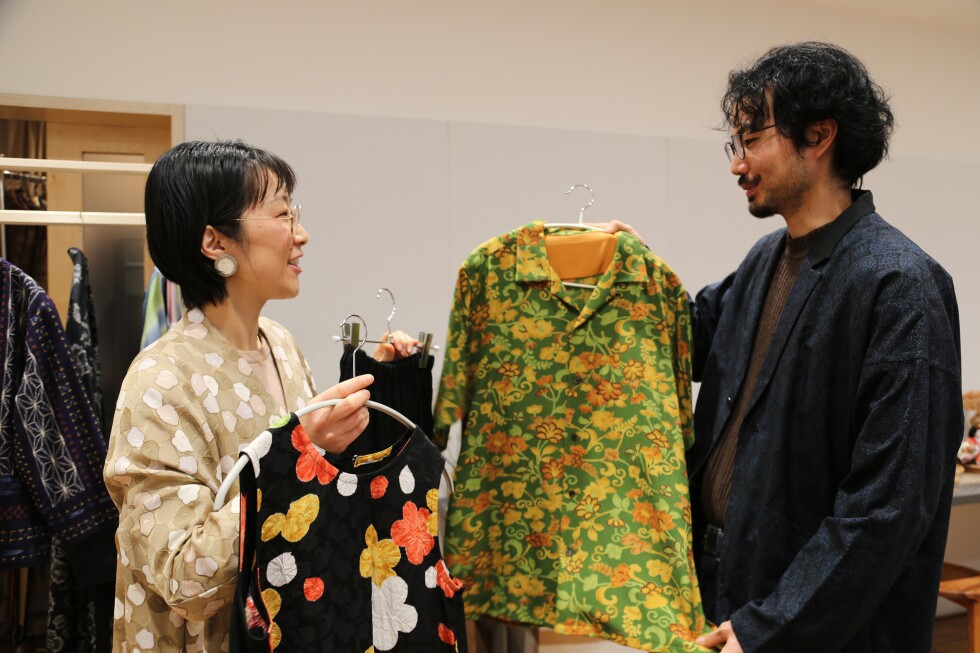
“I noticed that a lot of beautiful kimono is just sleeping in people’s closets. That’s such a waste,” explains Mari Kubo, founder of K’Forward, a business specializing in kimono transformation. Kubo’s company is part of a growing movement that repurposes traditional kimono into modern clothing and accessories.
Among K’Forward’s most sought-after creations are adaptations of “tomesode,” formal black kimonos featuring vibrant embroidered designs of flowers, birds, or foliage at the hem. Kubo transforms these into stylish jackets that preserve the flowing sleeves and showcase the intricate patterns on the back. These jackets are often paired with matching skirts or pants created from complementary kimonos, sometimes incorporating the decorative “obi” sash as a colorful collar accent.
These reimagined pieces appeal particularly to younger Japanese consumers seeking to connect with tradition without the complexity of wearing a full kimono. Prices reflect the craftsmanship involved, with transformed “furisode” (colorful kimonos with long sleeves traditionally worn by unmarried women) costing up to 160,000 yen ($1,000), while repurposed tomesode sell for approximately 25,000 yen ($160).
The movement addresses a significant ecological challenge in Japan. Recycling centers receive thousands of discarded kimonos daily as people discover them tucked away in relatives’ closets. In modern Japan, traditional kimonos are generally reserved for special occasions like weddings, with many brides opting for Western-style dresses or wearing both.
Designer Tomoko Ohkata finds purpose in this sustainable approach. “I feel the answer was right there, being handed down from our ancestors,” she says. Ohkata’s boutique in downtown Tokyo specializes in creating exquisitely detailed kimono-clad dolls, including pairs of emperor and empress figures traditionally displayed during Japan’s Girls’ Day festival. These meticulously crafted collector’s items sell for 245,000 yen ($1,600) per pair.
While the repurposing movement grows, there’s also renewed interest in the traditional kimono itself. Nao Shimizu, who runs a school in Kyoto teaching proper kimono-wearing techniques, highlights the garment’s versatility as another sustainable feature. “Unlike the dress, you can arrange it,” she explains, demonstrating various ways to tie the obi to express different moods.
Shimizu notes that younger Japanese are adopting more relaxed approaches to kimono wearing, sometimes pairing them with boots rather than traditional “zori” sandals. Although properly donning a kimono requires skill, it can be learned through classes or with professional assistance available at beauty parlors, hotels, and specialized shops.
The kimono’s cultural significance extends beyond fashion into performance arts. Sumie Kaneko, a New York-based musician who plays traditional Japanese instruments, often performs in striking dresses created from recycled kimonos. She sees profound meaning in this practice, calling it “the recycling of life.”
“The performer breathes new life into them,” Kaneko explains. “In the same way, a past moment — and those patterns and colors that were once loved — can come back to life.”
This revival of kimono culture represents a meaningful intersection of Japanese tradition, contemporary fashion, and environmental consciousness. By reimagining these centuries-old garments, designers are preserving cultural heritage while addressing modern sustainability concerns – proving that sometimes the most forward-thinking fashion solutions have roots in ancient practices.
Fact Checker
Verify the accuracy of this article using The Disinformation Commission analysis and real-time sources.

27 Comments
Exploration results look promising, but permitting will be the key risk.
Good point. Watching costs and grades closely.
Production mix shifting toward Business might help margins if metals stay firm.
Good point. Watching costs and grades closely.
Good point. Watching costs and grades closely.
Production mix shifting toward Business might help margins if metals stay firm.
Good point. Watching costs and grades closely.
Good point. Watching costs and grades closely.
Nice to see insider buying—usually a good signal in this space.
Good point. Watching costs and grades closely.
Uranium names keep pushing higher—supply still tight into 2026.
Good point. Watching costs and grades closely.
Good point. Watching costs and grades closely.
Nice to see insider buying—usually a good signal in this space.
Good point. Watching costs and grades closely.
Exploration results look promising, but permitting will be the key risk.
If AISC keeps dropping, this becomes investable for me.
Good point. Watching costs and grades closely.
Silver leverage is strong here; beta cuts both ways though.
Exploration results look promising, but permitting will be the key risk.
Good point. Watching costs and grades closely.
Good point. Watching costs and grades closely.
Production mix shifting toward Business might help margins if metals stay firm.
Good point. Watching costs and grades closely.
Good point. Watching costs and grades closely.
Exploration results look promising, but permitting will be the key risk.
Nice to see insider buying—usually a good signal in this space.