


Listen to the article
Japan’s Prime Minister Secures Historic Supermajority in Parliamentary Election
Prime Minister Sanae Takaichi’s Liberal Democratic Party (LDP) has achieved a landmark victory in Japan’s parliamentary election, securing a two-thirds supermajority in the lower house. According to Japanese media reports citing preliminary results, the LDP alone captured 316 seats in the 465-member chamber by early Monday.
This electoral triumph marks a historic milestone for the LDP, representing its largest seat count since the party’s founding in 1955. The victory surpasses the previous record of 300 seats won under Prime Minister Yasuhiro Nakasone in 1986. With an additional 36 seats claimed by its new ally, the Japan Innovation Party (JIP), Takaichi’s ruling coalition has secured a commanding 352 seats in the lower house.
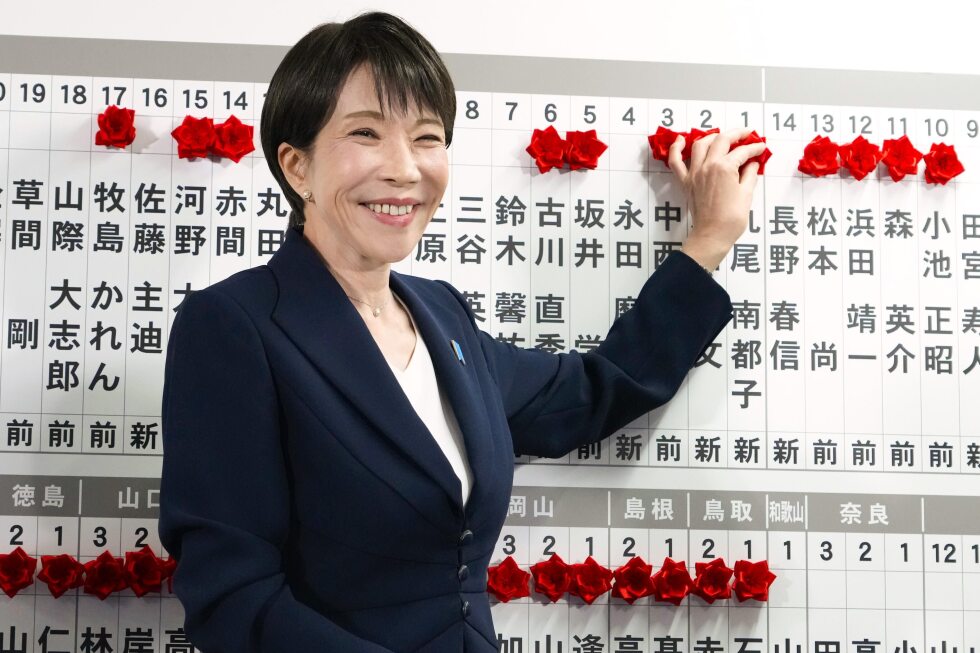
“I am now ready to pursue policies to make Japan strong and prosperous,” Takaichi declared in a televised interview with public broadcaster NHK following her victory. At LDP headquarters, the prime minister was seen smiling as she placed red ribbons above each winner’s name on a signboard, accompanied by applauding party executives.
Despite lacking a majority in the upper house, the significant advantage gained in the more powerful lower chamber provides Takaichi with substantial leverage to advance her right-wing agenda. This includes initiatives to bolster Japan’s economy and strengthen its military capabilities amid growing tensions with China and efforts to maintain strong ties with the United States.
Takaichi, who became Japan’s first female prime minister in October, called this early election just three months into her term, capitalizing on her high approval ratings to overcome the party’s recent struggles with funding and religious scandals. Her campaign promise to “work, work, work” and her leadership style—described as both playful and tough—has resonated particularly well with younger voters previously disinterested in politics.
“I will be flexible,” Takaichi stated, indicating her willingness to seek support from opposition parties while firmly pursuing her policy goals.
The opposition proved unable to mount an effective challenge, despite the formation of a new centrist alliance. The Buddhist-backed Komeito party—formerly the LDP’s coalition partner—and the liberal-leaning Constitutional Democratic Party of Japan are projected to lose approximately half of their combined pre-election share of 167 seats.
“With Takaichi shifting things more toward the conservative side, I think that brought this positive result,” remarked Akihito Iwatake, a 53-year-old office worker who welcomed the LDP’s decisive victory.
The prime minister’s agenda represents a significant rightward shift in Japan’s approach to security, immigration, and other policy areas. JIP leader Hirofumi Yoshimura has stated his party will serve as an “accelerator” for this conservative push. Meanwhile, far-right populist movements like the anti-globalist, nationalist Sanseito party have also gained ground, according to exit polls.
When the lower house reconvenes in mid-February, Takaichi’s first major task will be to advance a budget bill, delayed by the election, to fund economic measures addressing rising costs and stagnant wages. By December, she has pledged to revise security and defense policies to enhance Japan’s offensive military capabilities, potentially lifting the ban on weapons exports and further moving away from the country’s post-war pacifist principles.
Takaichi’s policy platform includes tougher measures on foreigners, enhanced anti-espionage efforts, and increased defense spending—partly in response to pressure from the United States for Japan to increase its military budget. With no election required until 2028, the prime minister now has a significant timeframe to implement her agenda.
However, critics note that Takaichi has largely avoided discussing specifics on funding the increased military expenditure or addressing diplomatic tensions with China. Professor Masato Kamikubo of Ritsumeikan University observed that Sunday’s election “underscores a problematic trend in Japanese politics in which political survival takes priority over substantive policy outcomes.”
The election coincided with snowfall across Japan, including Tokyo, with record snow in northern regions that has blocked roads and been linked to dozens of deaths nationwide in recent weeks.
Fact Checker
Verify the accuracy of this article using The Disinformation Commission analysis and real-time sources.

16 Comments
The LDP’s landslide win reflects public trust in their leadership, but they must now prove themselves worthy of this mandate by delivering tangible improvements in the economy, healthcare, and other key areas.
A decisive victory for the LDP, but they should not take their power for granted. Transparency and accountability will be essential as they shape Japan’s future.
This is a major victory for the LDP and Prime Minister Takaichi. With a supermajority in the lower house, they’ll have significant influence to push their agenda. Curious to see how they leverage this position to tackle Japan’s economic and geopolitical challenges.
A landslide win for the LDP, reflecting public support for their policies. Will be interesting to see how they use this mandate to address Japan’s key priorities.
The LDP’s supermajority in the lower house gives them a rare opportunity to drive their agenda. However, they should use this political capital judiciously and seek consensus, rather than imposing their will unilaterally.
This is a significant victory for the LDP, but they must now focus on uniting the country and addressing the concerns of all Japanese citizens.
The LDP’s decisive win underscores voter confidence in their leadership and policy platform. However, governing with a supermajority also brings heightened responsibility to deliver tangible results for the Japanese people.
This is a strong political mandate for the LDP, but they’ll need to work collaboratively across the political spectrum to enact meaningful reforms.
The LDP’s landslide victory gives them significant power, but they should be mindful of the need to balance their agenda with the concerns of all Japanese citizens. Inclusive policymaking will be crucial for maintaining social cohesion.
A resounding endorsement of the LDP’s leadership, but they must now prove themselves worthy of the public’s trust by delivering tangible results.
While the LDP’s landslide victory is impressive, it will be crucial for them to maintain transparency and accountability as they wield significant power in the lower house. Careful oversight will be needed to ensure they govern effectively and ethically.
A resounding win for the LDP, but they must now deliver on their campaign promises and address Japan’s pressing economic and social challenges.
While the LDP’s supermajority is impressive, it’s important that they use this position responsibly and engage in meaningful dialogue with opposition parties. Overreach could undermine public confidence in the democratic process.
This is a remarkable win for the LDP, but they must now demonstrate their ability to govern effectively and address the pressing issues facing Japan.
The LDP’s supermajority win is a testament to their political strength, but they should not take this as a blank check to pursue their agenda without regard for opposing views. Compromise and cooperation will be essential for effective governance.
This is a historic victory for the LDP, but they must now use their power responsibly and work to address the diverse needs of the Japanese people.