


Listen to the article
Japanese Prime Minister Secures Historic Parliamentary Supermajority in Snap Election
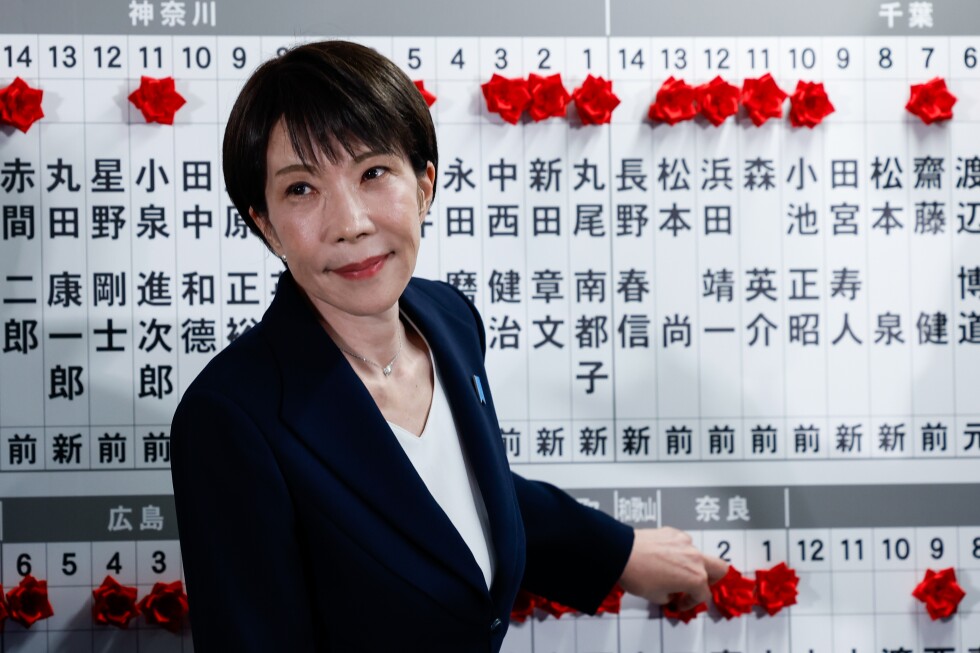
Japanese Prime Minister Sanae Takaichi’s bold decision to call an early election has paid off dramatically, with her Liberal Democratic Party (LDP) securing a historic two-thirds supermajority in Sunday’s parliamentary vote. The victory grants her administration unprecedented power to pursue an ambitious conservative agenda that could reshape Japan’s security, immigration, and economic policies.
According to public broadcaster NHK, the LDP alone secured 316 seats in the 465-member lower house of parliament—comfortably surpassing the 261 seats needed for an absolute majority. When combined with the 36 seats won by Takaichi’s new ally, the Japan Innovation Party, the ruling coalition commands 352 seats, representing the LDP’s strongest parliamentary position since its founding in 1955.
“I will be flexible,” Takaichi told NHK in a post-election interview, indicating she would seek opposition support while steadfastly advancing her policy agenda. The prime minister, who took office just three months ago as Japan’s first female leader, had gambled that her personal popularity could overcome recent LDP scandals involving political funding and religious connections.
That gamble has paid extraordinary dividends. Takaichi’s distinctive leadership style—described by observers as both playful and tough—has resonated particularly with younger Japanese voters previously disinterested in politics. Her campaign pledge to “work, work, work” struck a chord with an electorate seeking decisive leadership.
Meanwhile, opposition parties floundered. A new centrist alliance formed by the LDP’s former coalition partner, the Buddhist-backed Komeito, and the liberal-leaning Constitutional Democratic Party of Japan, is projected to lose about half of their combined pre-election seats. The fragmented opposition proved unable to mount an effective challenge.
The electoral landscape also revealed the growing influence of far-right politics in Japan. The anti-globalist nationalist party Sanseito made significant gains according to exit polls, reflecting a rightward shift in Japanese politics that aligns with Takaichi’s conservative agenda.
Former U.S. President Donald Trump congratulated Takaichi on his Truth Social platform, calling it a “LANDSLIDE Victory” and praising her “bold and wise decision” to call an early election.
With the election behind her, Takaichi faces several immediate priorities when the lower house reconvenes in mid-February. Chief among these is passing a delayed budget bill to fund economic measures addressing Japan’s persistent challenges of rising living costs and stagnant wages.
By December, Takaichi has pledged to revise Japan’s security and defense policies to bolster the country’s military capabilities. Her administration aims to lift restrictions on weapons exports, potentially moving Japan further from its post-war pacifist principles. These proposals come amid growing regional tensions with China and expectations that Japan will increase its defense spending in response to U.S. pressure.
The prime minister has also signaled a tougher stance on immigration, including stricter requirements for foreign property owners and potential caps on foreign residents. Her administration is expected to strengthen anti-espionage measures and implement other policies that appeal to conservative voters, though critics warn these could potentially undermine civil liberties.
“I will try to gain support from the opposition while firmly pushing forward with my policy goals,” Takaichi said, acknowledging the potentially divisive nature of some of her proposals. However, she has largely avoided discussing specific funding mechanisms for increased military spending or strategies for managing diplomatic tensions with China.
Despite her rightward shift domestically, analysts expect Takaichi to maintain constructive relations with South Korea, given shared concerns about threats from North Korea and China. Nevertheless, Professor Leif-Eric Easley of Ewha Womans University in Seoul notes that “Seoul would still worry about a Japanese attempt to revise the country’s pacifist constitution or to further build up its military because of Japan’s wartime past.”
With no election required until 2028, Takaichi now has an extended runway to implement her vision. However, political analyst Masato Kamikubo of Ritsumeikan University cautions that the election “underscores a problematic trend in Japanese politics in which political survival takes priority over substantive policy outcomes.”
As she begins the process of reappointing her Cabinet, Takaichi faces the challenge of translating her overwhelming electoral mandate into tangible policy achievements that strengthen Japan’s position in an increasingly complex regional and global environment.
Fact Checker
Verify the accuracy of this article using The Disinformation Commission analysis and real-time sources.

8 Comments
Interesting to see the conservative shift in Japan under Takaichi’s leadership. While I don’t always agree with her policies, her decisive election win shows she has strong public support. I’m curious to see how she balances her agenda with opposition demands.
This election result is a big win for conservatives in Japan, but I wonder how it will impact the country’s relationship with its regional neighbors and the global community. Takaichi will need to balance her domestic agenda with Japan’s international obligations and commitments.
The supermajority gives Takaichi a lot of legislative power, but she’ll need to use it carefully. Overreaching could backfire, so I hope she finds ways to incorporate opposition voices and build consensus where possible. Japan faces many complex challenges that will require nuanced policymaking.
Takaichi’s election victory represents a significant political shift in Japan, but it remains to be seen whether she can translate her popularity into lasting policy changes. She’ll need to navigate a complex web of domestic and international interests to achieve her goals.
As an investor, I’ll be closely watching how Takaichi’s policies affect Japan’s economy and key industries like mining, energy, and manufacturing. Stability and pro-business reforms could be positive, but overly nationalist or protectionist moves could create uncertainty.
It’s an interesting time for Japan’s political landscape. While Takaichi’s conservative agenda may appeal to some, I hope she can also find ways to engage with diverse perspectives and build consensus. Maintaining stability and balance will be crucial, especially for industries like mining and energy.
A decisive victory for the LDP and their allies. Takaichi seems intent on shaking up the status quo and pursuing a bold conservative platform. It will be important to watch how this impacts Japan’s economy, foreign relations, and social policies in the coming years.
Takaichi’s rise to power represents a significant moment for Japan, both politically and culturally. As the country’s first female prime minister, she has an opportunity to shape a new vision for the nation. I hope she can find ways to bridge political divides and govern effectively.