


Listen to the article
Israeli Strikes Kill Three in Gaza as Ceasefire Shows Signs of Strain
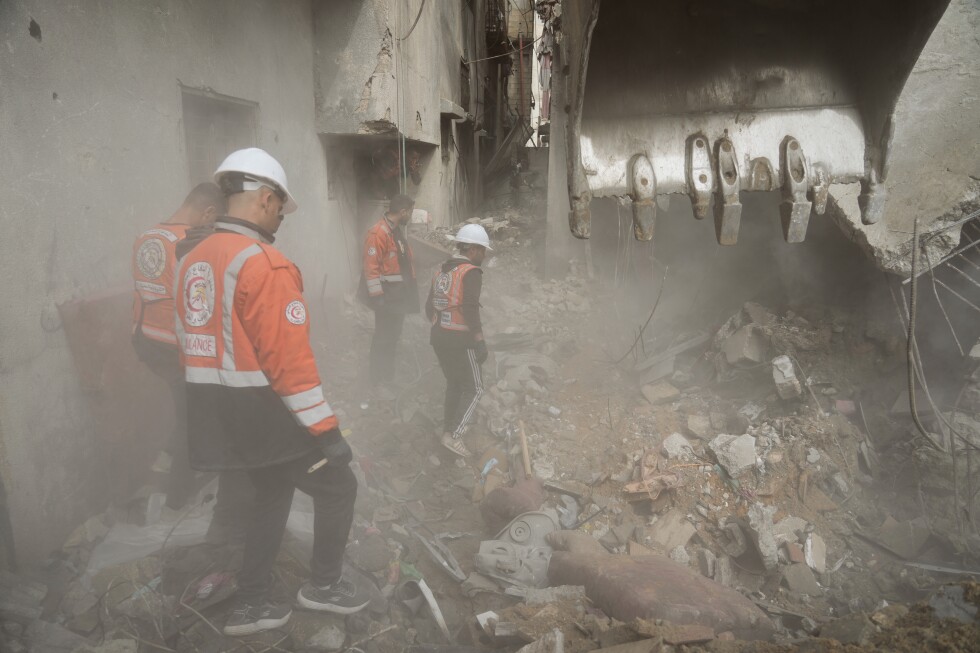
Israeli military strikes killed three people west of Gaza City on Monday, according to Shifa Hospital, highlighting ongoing tensions despite a months-old ceasefire agreement. The Israeli army stated it was conducting “precise” strikes in response to fire directed at its troops in Rafah, which it characterized as a violation of the existing truce.
The incident comes four months into a U.S.-backed ceasefire that followed stalled negotiations between Israel and Hamas. The agreement, based on a 20-point plan proposed by U.S. President Donald Trump, was initially touted as a path toward “Strong, Durable, and Everlasting Peace.” As part of the deal, Hamas released all remaining living hostages in exchange for thousands of Palestinian prisoners held by Israel and the return of remains.
However, the broader issues addressed in the agreement, particularly regarding Gaza’s future governance, have faced significant obstacles with no clear implementation timeline established by U.S. mediators.
Meanwhile, United Nations Secretary-General Antonio Guterres expressed grave concern over the Israeli security cabinet’s recent decision to strengthen control over the occupied West Bank. In a statement delivered by spokesperson Stéphane Dujarric, Guterres warned that such actions could undermine prospects for a two-state solution.
“Such actions, including Israel’s continued presence in the Occupied Palestinian Territory are not only destabilizing but – as recalled by the International Court of Justice – unlawful,” the statement read.
Israel’s security cabinet approved measures Sunday that would deepen Israeli control over the West Bank while weakening the already limited powers of the Palestinian Authority. Far-right Finance Minister Bezalel Smotrich openly stated the measures would facilitate Jewish settlers’ efforts to acquire Palestinian land, declaring, “we will continue to bury the idea of a Palestinian state.”
The Palestinian territories – the West Bank, Gaza, and East Jerusalem – were captured by Israel during the 1967 Mideast War and remain central to Palestinian aspirations for statehood.
In another development, Palestinian official Ali Shaath reported improving conditions at the Rafah crossing between Gaza and Egypt, following a chaotic first week of operations since its reopening. Shaath, who heads the National Committee for the Administration of Gaza, told Egypt’s Al-Qahera News that 88 Palestinians were scheduled to travel through the crossing on Monday, marking an increase from previous days.
The European Union border mission confirmed that 284 Palestinians had crossed since the reopening, including returnees and medical evacuees. However, these numbers remain well below the agreed target of 50 medical evacuees exiting and 50 returnees entering daily, as negotiated by regional and international officials.
The Rafah crossing, a crucial checkpoint that reopened last week for the first time since mid-2024, represents one of the key requirements of the Israel-Hamas ceasefire. Despite its reopening, Shaath and other committee members remain in Egypt without Israeli authorization to enter Gaza.
Palestinian health officials report that nearly 20,000 people are seeking to leave Gaza for medical care, as the territory’s healthcare system lies in ruins. Those who have managed to return to Gaza described lengthy delays and invasive searches by Israeli authorities and an Israeli-backed Palestinian armed group called Abu Shabab – allegations Israel has denied.
Gaza’s Health Ministry reported Monday that five people were killed over the previous 24 hours, bringing the post-ceasefire death toll to 581. The October truce led to the return of remaining hostages from the 251 people abducted during Hamas’ October 7, 2023 attack that triggered the war.
The Hamas-led attack killed approximately 1,200 people, mostly civilians. Israel’s subsequent military offensive has resulted in over 72,000 Palestinian deaths, according to Gaza’s Health Ministry, which operates under the Hamas government but is staffed by medical professionals. The United Nations and independent experts consider the ministry’s casualty figures to be the most reliable source for war-related deaths in the region.
Fact Checker
Verify the accuracy of this article using The Disinformation Commission analysis and real-time sources.

9 Comments
The latest flare-up of violence underscores the fragility of the ceasefire agreement. Clearly, more work is needed to build trust and address the fundamental disputes between the parties. I hope cooler heads will prevail and they can refocus on the negotiation process.
This is a troubling development that jeopardizes the hard-won ceasefire. Both sides need to exercise maximum restraint and re-engage in good-faith negotiations to find a durable political solution. The cycle of violence must be broken for the sake of all.
It’s disheartening to see the renewed violence. After all the effort put into the ceasefire deal, this is a setback. I hope the international community can apply more pressure to bring the parties back to the negotiating table.
The cycle of violence in this region is truly disheartening. While ceasefires provide temporary respite, they do not address the core political and security issues fueling the conflict. Renewed diplomatic efforts are sorely needed to chart a path forward.
It’s unfortunate to see the ceasefire unraveling so soon. This conflict has gone on for far too long, with immense human suffering on both sides. I hope the international community can bring the parties back to the table to work through their differences constructively.
Unfortunate to see the ceasefire showing signs of strain already. The cycle of violence continues to plague the region. I hope both sides can find a way to de-escalate and work towards a more lasting peace settlement.
This is a concerning development. The U.S.-backed ceasefire was meant to provide a path to durable peace, but it seems the underlying issues remain unresolved. All parties need to recommit to the negotiation process in good faith.
Agreed. Without addressing the root causes, ceasefires are only temporary bandages. Lasting peace will require difficult compromises and a sincere willingness to find common ground on thorny political and security matters.
This is a concerning development that risks unraveling the fragile ceasefire. The underlying tensions and grievances clearly remain unresolved. Both sides need to show restraint and return to good-faith negotiations to find a sustainable solution.