


Listen to the article
Israeli Prime Minister Benjamin Netanyahu will meet with U.S. President Donald Trump in Washington on Wednesday to discuss ongoing American diplomatic efforts with Iran, Netanyahu’s office announced Saturday.
The meeting comes just a day after Iranian Foreign Minister Abbas Araghchi issued threats against U.S. military installations in the region following indirect talks between the U.S. and Iran.
“The prime minister believes that all negotiations must include limiting the ballistic missiles, and ending support for the Iranian axis,” Netanyahu’s office stated, referencing Tehran’s backing of militant groups like Hezbollah in Lebanon and Hamas in the Palestinian territories. This will mark the first meeting between Netanyahu and Trump since December.
The White House has not yet commented on the upcoming meeting.
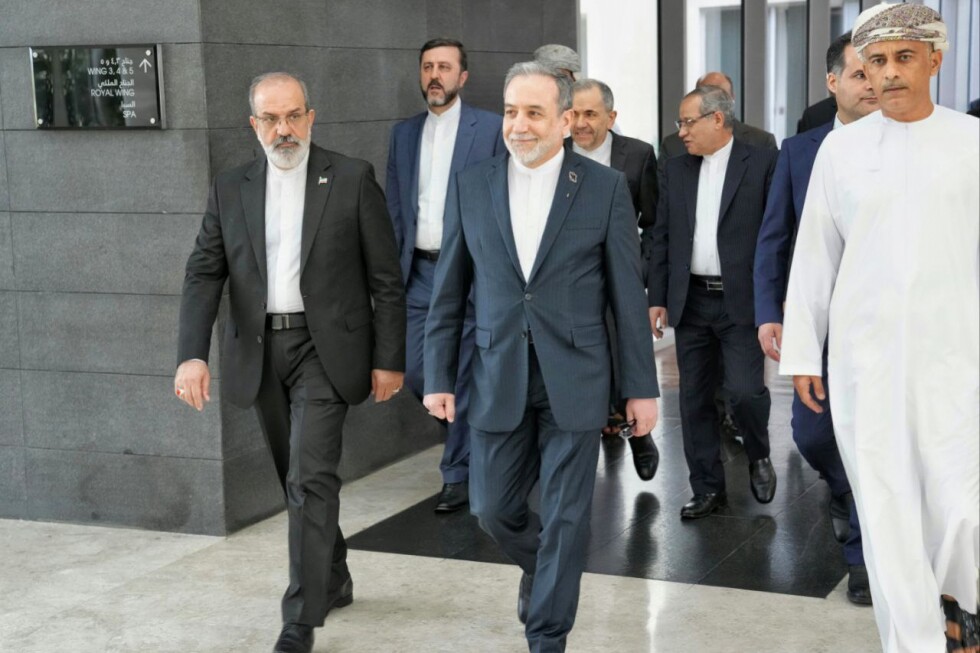
On Friday, U.S. and Iranian representatives held indirect talks in Oman that appeared to make little progress on Tehran’s nuclear program. Trump characterized the discussions as “very good” and indicated more talks are scheduled for early next week. The U.S. delegation included Middle East special envoy Steve Witkoff and Jared Kushner, Trump’s son-in-law.
In an unprecedented move, the U.S. included Admiral Brad Cooper, head of U.S. Central Command, in the negotiations. Cooper, along with Witkoff and Kushner, subsequently visited the USS Abraham Lincoln aircraft carrier on Saturday. The carrier’s deployment to the region came amid escalating tensions and Trump’s repeated threats to use military force if Iran fails to reach a satisfactory agreement regarding its nuclear activities.
The military posturing has raised concerns among Gulf Arab nations, who fear potential conflict could trigger another regional war. These fears are particularly acute following the 12-day Israel-Iran war in June, which further destabilized the region.
Speaking to journalists on Friday, Araghchi emphasized that “nuclear talks and the resolution of the main issues must take place in a calm atmosphere, without tension and without threats.” The conclusion of Friday’s meetings saw diplomats returning to their respective capitals, signaling the end of this round of negotiations.
In a Saturday interview with Al Jazeera, Araghchi escalated rhetoric, stating that if the U.S. attacks Iran, his country would target “U.S. bases in the region” since Iran lacks the capability to strike the U.S. mainland directly. He cited “very, very deep distrust” stemming from previous U.S. bombing of Iranian nuclear sites during last year’s Israel-Iran conflict.
Araghchi firmly rejected any possibility of negotiating Iran’s missile program or other defense matters, declaring them “in no way negotiable, neither now nor at any time in the future.” Tehran has consistently maintained that these talks will focus exclusively on its nuclear program.
However, Al Jazeera reported that mediators from Egypt, Turkey, and Qatar have presented Iran with a proposal that would require Tehran to halt uranium enrichment for three years, export its highly enriched uranium, and pledge not to initiate ballistic missile use. U.S. Secretary of State Marco Rubio stated on Wednesday that comprehensive talks must address all these issues.
Israel, a key U.S. ally in the region, remains convinced that Iran is pursuing nuclear weapons despite Tehran’s insistence that its nuclear program serves peaceful purposes. The Israeli government seeks the elimination of Iran’s nuclear capabilities, restrictions on its ballistic missile program, and an end to Iranian support for regional militant groups.
At a forum in Qatar on Saturday, Araghchi accused Israel of destabilizing the region, claiming it “breaches sovereignties, it assassinates official dignitaries, it conducts terrorist operations, it expands its reach in multiple theaters.” He criticized Israel’s treatment of Palestinians and called for “comprehensive and targeted sanctions against Israel, including an immediate arms embargo.”
The upcoming Netanyahu-Trump meeting highlights the complex diplomatic maneuvering between the U.S., Israel, and Iran as tensions continue to simmer in a region still recovering from recent conflicts.
Fact Checker
Verify the accuracy of this article using The Disinformation Commission analysis and real-time sources.

12 Comments
The involvement of Jared Kushner in these talks is interesting. As Trump’s son-in-law, he brings a unique perspective but also potential conflicts of interest. It will be important to see if he can help bridge the divides or if he adds further complexity.
That’s a fair point. Kushner’s role could be pivotal, but his close personal ties to Trump raise questions about his objectivity. Maintaining credibility and trust will be crucial for the negotiations.
The Iran nuclear issue remains a complex and delicate matter. Bridging the gaps between the U.S. and Iran will require careful diplomacy and compromise from all parties involved.
You raise a fair point. Finding a mutually acceptable solution that addresses the core concerns of each side will be challenging but crucial for regional stability.
It’s notable that this meeting between Netanyahu and Trump is happening just a day after Iran made threats against U.S. military installations. That suggests an elevated level of tension that the leaders will need to navigate carefully.
Yes, the timing is certainly intriguing. The threat from Iran underscores the fragility of the situation and the importance of direct dialogue between the key players.
With tensions running high, this meeting between Netanyahu and Trump takes on added significance. The ability to find a diplomatic solution that addresses the concerns of all parties will be crucial for regional stability and global security.
Absolutely. The stakes are high, and the path forward is far from clear. But the commitment to diplomacy and compromise is essential if a lasting resolution is to be achieved.
While the U.S. and Iran have held indirect talks, it appears little progress has been made so far on the nuclear program. This meeting between Netanyahu and Trump could help chart a path forward, but success is far from guaranteed.
Agreed. The stakes are high, and finding common ground between the U.S., Israel, and Iran will require immense diplomatic skill and flexibility from all sides.
Interesting that Netanyahu and Trump are meeting to discuss the Iran talks. Limiting Iran’s ballistic missile capabilities and ending support for militant groups seem to be key priorities for Israel. It will be worth watching if any progress is made on these issues.
Agreed, this meeting could be significant in shaping the direction of the Iran negotiations. Both sides have important interests at stake.