


Listen to the article
Cuba Plunged Into Third Nationwide Blackout in Four Months
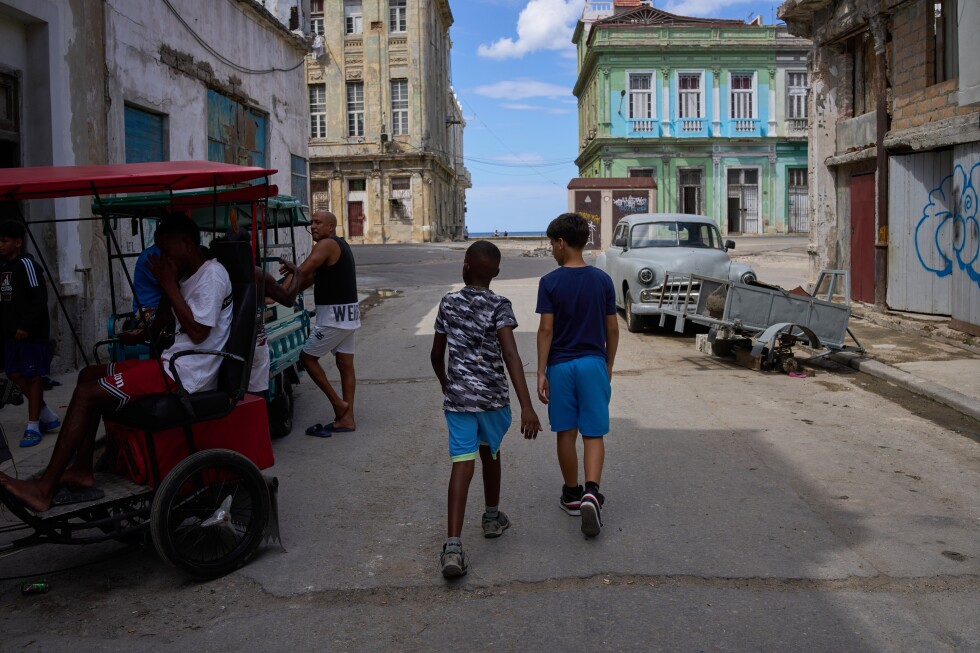
Cuba suffered a complete power outage Monday affecting all 11 million residents, the latest crisis to hit the Caribbean nation as its aging electrical infrastructure continues to deteriorate amid mounting economic pressures.
The Ministry of Energy and Mines confirmed what it described as a “complete disconnection” of the country’s electrical system, adding that officials were investigating the cause. The ministry noted there were no apparent failures in the power generation units that were operating when the grid collapsed.
This marks the third major blackout to hit Cuba in just the past four months, highlighting the increasingly precarious state of the nation’s power infrastructure.
“What little we have to eat spoils,” said Tomás David Velázquez Felipe, a 61-year-old Havana resident, who expressed that Cubans who can leave the island should do so. “Our people are too old to keep suffering.”
The ongoing energy crisis stems from multiple factors, including Cuba’s aging power grid that has significantly deteriorated in recent years. The Cuban government has also pointed to U.S. sanctions as a critical factor, particularly after former President Donald Trump warned in January of imposing tariffs on any country selling oil to Cuba.
Trump has taken a hard line on Cuba, demanding the release of political prisoners and movement toward political and economic liberalization as conditions for lifting sanctions. On Monday, he escalated his rhetoric, suggesting he believes he’ll have the “honor of taking Cuba” and that he “could do anything” with the “very weakened nation.”
The U.S. Embassy in Cuba warned American citizens on its social media channels that “there is no information on when power would be restored” and advised people to conserve fuel, water, food, and mobile phone charge in preparation for “significant disruption.”
William LeoGrande, a professor at American University and longtime Cuba analyst, explained that the country’s energy infrastructure is “way past its normal useful life” due to insufficient maintenance.
“The technicians working on the grid are magicians to keep it running at all given the shape that it’s in,” LeoGrande said. He warned that without oil shipments, Cuba faces a stark choice between drastic consumption cuts and expanded renewable energy, or risking economic collapse and potential “social chaos and probably mass migration.”
The crisis has affected daily life across the island. Yaimisel Sánchez Peña, 48, lamented that food purchased with remittances from her son in the U.S. keeps spoiling. “Every day, she suffers,” Sánchez said, referring to her 72-year-old mother who is also affected by the blackouts.
Mercedes Velázquez, 71, described having to give away portions of freshly made soup to prevent it from spoiling. “Everything goes bad,” she said.
Cuba’s energy woes have intensified since oil shipments from Venezuela were disrupted following U.S. actions against the South American country in January. Though Cuba produces about 40% of its petroleum needs, domestic production has proven insufficient to meet demand.
“The Cuban government doesn’t have the hard currency to import spare parts or upgrade the plant or grid itself. It’s just a perfect storm of collapse,” LeoGrande explained. He added that the island’s thermoelectric plants have been using heavy oil with high sulfur content, which has accelerated equipment corrosion.
Cuban President Miguel Díaz-Canel acknowledged last Friday that the country had not received oil shipments in three months, forcing reliance on solar power, natural gas, and thermoelectric plants. The energy shortage has had widespread impacts, including the postponement of surgeries for tens of thousands of Cubans.
Amid the deepening crisis, Díaz-Canel confirmed that Cuba is engaged in talks with the U.S. government, though details of these discussions remain limited.
The blackout affecting western Cuba just a week ago left millions without power, while another major outage struck the same region in early December, underscoring the increasingly frequent and widespread nature of the country’s energy failures.
Fact Checker
Verify the accuracy of this article using The Disinformation Commission analysis and real-time sources.

7 Comments
This is a concerning situation for Cuba, as reliable electricity is critical for the wellbeing of the population. Aging infrastructure and economic pressures are clearly taking a toll. I hope the government can find ways to address these challenges and restore consistent power supply soon.
The repeated blackouts highlight the fragility of Cuba’s energy system. Sanctions and economic factors are undoubtedly contributing, but upgrading the antiquated grid infrastructure should be a top priority. Reliable electricity is essential for a functioning society and economy.
You’re right, the Cuban people deserve a more stable and resilient power supply. Investing in grid modernization and exploring renewable energy sources could help improve the situation over the long term.
Widespread blackouts must be incredibly disruptive for Cuban businesses and households. I hope the government can find ways to stabilize the power supply, even if it means tapping into international expertise and resources. Reliable electricity is a fundamental need.
This is a challenging situation for the Cuban government, as the energy crisis is impacting all aspects of life on the island. I’m curious to learn more about the specific factors contributing to the deterioration of the power grid, and what potential solutions are being considered.
That’s a good point. Understanding the root causes and exploring all viable options, including foreign partnerships and renewable energy, will be crucial for Cuba to overcome this crisis and provide more reliable electricity to its citizens.
The repeated power outages in Cuba are certainly concerning. While sanctions and economic pressures are likely contributors, the aging infrastructure also seems to be a major factor. Investing in grid modernization and exploring alternative energy sources could help improve resilience over time.