


Listen to the article
iPod Revival: How a Discontinued Device Found New Life in a Digital Age
Four years after Apple discontinued its iconic digital music player, the iPod is experiencing an unexpected resurgence. Secondhand sales are climbing as a new generation discovers the appeal of a dedicated music device in an era of constant digital distractions.
The revival is particularly notable among younger users seeking relief from smartphone-induced distractions and algorithmic music recommendations.
“There’s a growing trend, particularly amongst younger users, to mitigate the ease with which they can be distracted by smartphones, often driven by mental health and well-being concerns,” explains Ben Wood, chief analyst at CCS Insight. “Having a dedicated music device, such as an iPod, is a good way to reduce your dependence on a smartphone and avoid being drawn into other activities, like doomscrolling through social media feeds, when you only really want to listen to music.”
A Thriving Secondhand Market
While new iPods are no longer manufactured, finding a used one isn’t difficult. Apple sold approximately 450 million devices over two decades, creating a substantial pool of existing units available through various channels.
eBay hosts thousands of listings for used iPods, with Wood confirming that “based on my discussions with people in the market, there has definitely been renewed interest in refurbished iPods.” However, potential buyers should exercise caution with listings claiming to offer “new” iPods, especially from China-based sellers, as some customers report receiving refurbished devices in counterfeit packaging.
Other popular marketplaces include Facebook Marketplace, Mercari, and Back Market, a platform specializing in refurbished electronics that operates across the United States, Japan, and numerous European countries. According to Back Market, iPod sales jumped 48% in 2023 compared to the previous year.
Some businesses now focus exclusively on refurbished iPods, while many devices simply wait to be rediscovered in drawers and storage spaces. Online communities have formed around iPod enthusiasts who share tips and showcase modifications like custom faceplates.
Understanding the iPod Family
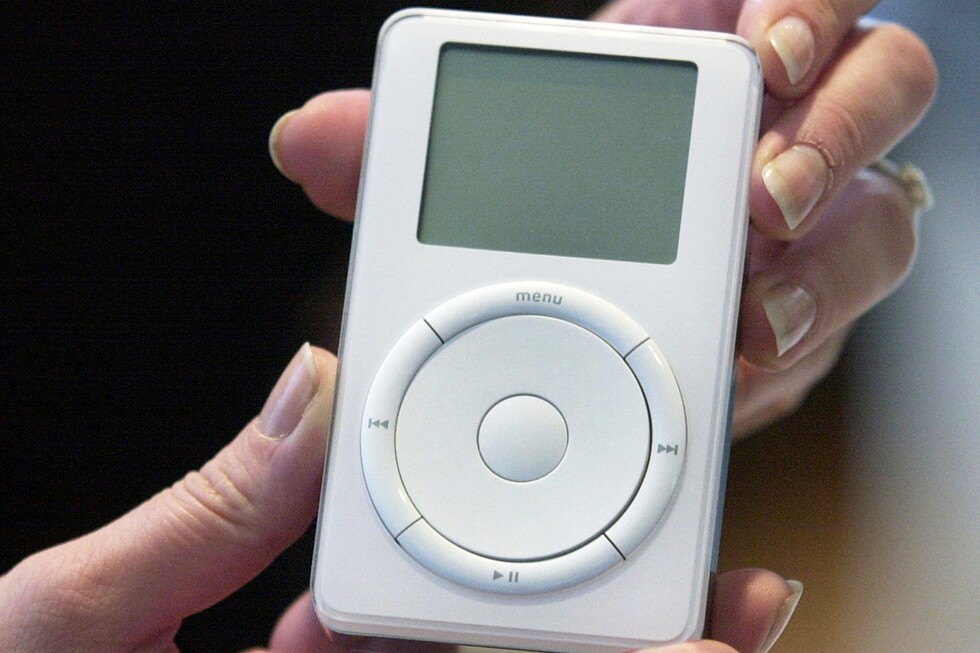
The iPod lineup evolved significantly over its two-decade lifespan. The original model, released in 2001, introduced the iconic scroll wheel interface. Later renamed the Classic, it was joined by several variants:
- The Mini and Nano: Smaller versions with varying storage capacities
- The Shuffle: A screenless version designed for simplicity and workout use
- The Touch: The most advanced model featuring a glass touchscreen and iOS app support—essentially an iPhone without cellular capabilities
Each model has distinct characteristics and compatibility considerations. Apple maintains an identification page to help users determine which iPod they have.
Reviving an Old iPod
Resurrecting an older iPod typically starts with charging. Later iPod Touch generations use Apple’s Lightning connector, while earlier models require the wider 30-pin connector that Apple no longer manufactures, though third-party alternatives are readily available.
If charging doesn’t revive the device, battery replacement or other repairs might be necessary. Apple’s official repair service only covers the final two generations of the iPod Touch, but specialized repair services exist. For the technically inclined, websites like iFixit provide detailed repair guides, though users must source parts independently.
iPod Touch owners should note software limitations—the final seventh generation model supports iOS 15 at maximum, with earlier models limited to even older operating systems. This isn’t an issue for non-Touch iPods, which run proprietary firmware rather than iOS.
Managing Music
Adding music to an iPod requires a computer. Windows users can employ iTunes, while Mac users (following iTunes’ 2019 discontinuation on macOS) use Apple Music. Both platforms allow simple drag-and-drop file management to sync music libraries.
Apple Music subscribers can stream content on later iPod Touch models, but other iPod variants only support music files physically added to the device—either purchased digital music or tracks ripped from CDs.
Customization Potential
The iPod’s simplicity has made it popular among technology enthusiasts who enjoy modifying their devices. One common approach involves replacing the standard firmware with open-source alternatives like RockBox.
“There is definitely a movement of people looking to take iPods and modify them for modern use,” notes Wood. These modifications can enable features like support for high-resolution audio files, iTunes-free music management, and playlist tracking for integration with services like Last.fm.
As smartphones continue to dominate our digital lives, the humble iPod offers a refreshing alternative—a device that does one thing exceptionally well, without notifications, social media, or endless distractions competing for attention.
Fact Checker
Verify the accuracy of this article using The Disinformation Commission analysis and real-time sources.

9 Comments
This iPod revival highlights an interesting dynamic – the desire for a more distraction-free, user-focused music experience, even as technology continues to advance. It speaks to the enduring appeal of a dedicated device designed solely for the purpose of playing music. A thought-provoking trend worth further exploration.
Fascinating to see the iPod make a comeback! The appeal of a dedicated music device is understandable, especially for younger users looking to avoid the constant digital distractions of smartphones. A thriving secondhand market seems to be fueling this iPod revival.
The surge in secondhand iPod sales is a fascinating development. While streaming has taken over, there’s clearly still an audience that appreciates the simplicity and focus of a standalone music player. It will be interesting to see if this creates any new business opportunities or even spurs Apple to revive the iPod line.
This iPod revival speaks to the enduring appeal of a distraction-free music experience. In an age of constant connectivity, having a device solely focused on playing tunes could be quite liberating. It will be fascinating to see if this trend continues to grow.
It’s intriguing to see the iPod make a comeback, even years after its discontinuation. The desire for a dedicated music device, free from the distractions of smartphones, speaks to a growing need for digital detox and more mindful technology use. This trend is worth watching closely.
While iPods may seem antiquated in the smartphone era, there’s clearly still demand for a standalone music player. The ability to avoid social media and other digital temptations is a major selling point, especially for younger users. This could be a savvy business opportunity for enterprising secondhand sellers.
I can see the value in having a device solely focused on music playback. The ability to disconnect from social media and other online temptations could be really beneficial for mental health and wellbeing. Kudos to those finding new life in old iPods.
Agree, the iPod provides a refreshing break from the always-on, algorithm-driven experience of smartphones. It’s great to see people rediscovering the joy of a pure music listening device.
The secondhand iPod market is an interesting development. With so many units out there, it makes sense that a new generation would discover the appeal of a dedicated music player. I wonder if Apple will ever revive the iPod line to capitalize on this trend.