


Listen to the article
Iranians have been enduring the longest and most comprehensive internet shutdown in the Islamic Republic’s history for nearly two weeks, creating a digital isolation that has severed connections to the outside world and decimated online businesses.
The government cut internet access on January 8 amid nationwide protests that have resulted in a violent crackdown. Human rights activists report more than 4,000 people killed, with fears the death toll could be higher. Since then, connectivity has been restored only for select domestic websites, with Google search functioning in a limited capacity that leaves most results inaccessible.
Iranian officials have provided no clear timeline for full restoration, leaving businesses across the country in a precarious position. The economic impact is immediate and severe for the countless enterprises that rely on social media platforms for marketing and sales.
“Before the shutdown, I mainly worked on Instagram and Telegram, which I don’t have access to anymore,” explained one Tehran pet shop owner who requested anonymity for fear of reprisals. “The government has proposed two domestic alternatives, but our customers aren’t there—they don’t use it.” He reports his business has plummeted by 90% since the protests began.
This digital blackout compounds the already significant economic challenges facing everyday Iranians. The protests initially erupted on December 28 after Iran’s currency, the rial, plunged to more than 1.4 million to the U.S. dollar—a staggering devaluation from just a decade ago when it traded at 32,000 to $1. Before the 1979 Islamic Revolution, the exchange rate stood at a mere 70 to $1.
The currency’s collapse has fueled rampant inflation, driving up prices for food and essential goods. December’s controversial changes to gasoline prices further inflamed public sentiment, creating a perfect storm of economic grievances.
Iran’s state-run news agency IRNA cited communications ministry official Ehsan Chitsaz as estimating the internet disruption costs the country between $2.8 and $4.3 million daily. However, internet monitoring organization NetBlocks suggests the true economic impact is much higher—over $37 million per day.
The long-term economic consequences are potentially devastating. A government estimate from 2021 indicated Iranian businesses generated approximately $833 million annually in sales from social media platforms, according to research published by University of Melbourne lecturer Dara Conduit. A separate assessment suggested that internet disruptions during the 2022 Mahsa Amini protests cost Iran’s economy $1.6 billion.
Those earlier protests, sparked by the death of 22-year-old Mahsa Amini in morality police custody, resulted in over 500 reported deaths and more than 22,000 detentions. The current crackdown appears similarly severe, with reports of 26,000 arrests thus far.
The government’s response has extended beyond internet restrictions to directly target businesses perceived as supporting the protests. Tehran prosecutors have initiated proceedings to seize assets from 60 cafes allegedly involved in protest activities, according to the judiciary’s Mizan news agency. The agency also announced plans to confiscate assets from athletes, cinema figures, and others. Reports indicate authorities have already closed several cafes in Tehran and Shiraz.
The financial damage has become so severe that even on government-affiliated platforms, Iranians are voicing their concerns. In the comments section of a story about the internet blackout published by the semi-official Fars news agency, which is believed to have ties to the Revolutionary Guard, one reader pleaded: “For heaven’s sake, please do not let this internet cut become a regular thing. We need the net. Our business life is vanishing. Our business is being destroyed.”
Another commenter questioned why restrictions remain in place despite no recent reports of street protests.
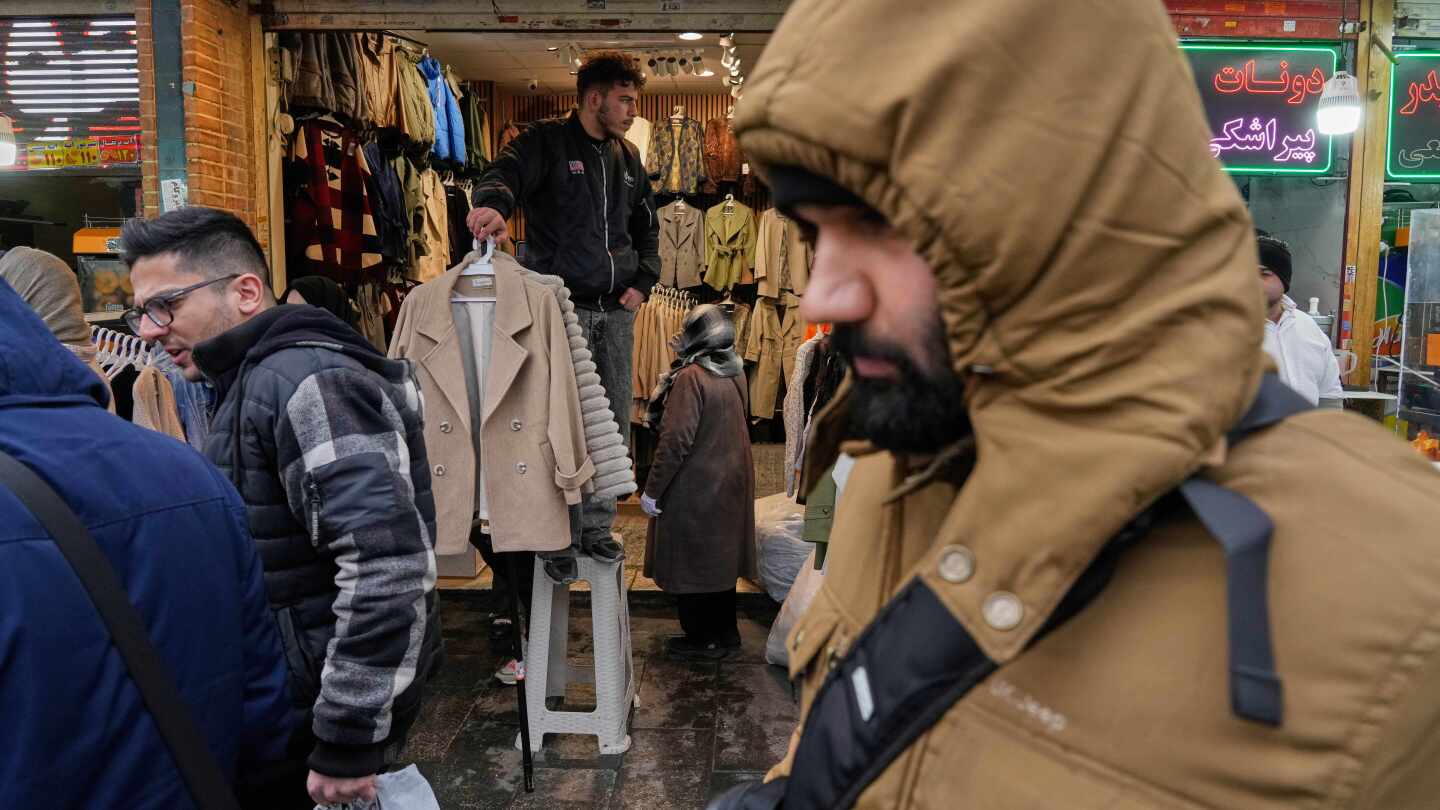
The combined effects of internet blackouts, violent crackdowns, and mass arrests have created a chilling effect on consumer behavior. While shops and restaurants in Tehran remain open, many are largely empty as residents focus solely on purchasing groceries and other essentials.
“Those who pass by our shops don’t show any appetite for shopping,” said an upscale tailor shop owner in Tehran. “We are just paying our regular expenses, electricity and staff…but in return, we don’t have anything.”
As the digital isolation continues with no end in sight, the economic fallout threatens to compound the very grievances that sparked the protests in the first place.
Fact Checker
Verify the accuracy of this article using The Disinformation Commission analysis and real-time sources.

6 Comments
This situation highlights the vulnerability of Iranian businesses that have become heavily dependent on social media and online channels for marketing and sales. It’s a stark reminder of how critical reliable internet access is for the modern economy. I’m curious to see if the government-proposed domestic alternatives gain any traction with consumers.
The internet shutdown is undoubtedly a major setback for Iranian businesses that have embraced the digital economy. It’s worrying to hear about the immediate and severe impact on enterprises like the pet shop owner, who has lost access to their primary sales channels. I’m curious to see if the proposed domestic alternatives can provide a viable substitute, but I imagine consumer adoption will be a challenge.
The internet shutdown in Iran is clearly causing immense damage to businesses that rely on digital platforms. It’s troubling to hear about the severe impact on entrepreneurs and small businesses, who are already struggling with the economic crisis. I hope the government can restore full connectivity soon to alleviate the hardship.
While I understand the government’s motivations for the internet shutdown amid the protests, the devastating consequences for businesses are deeply concerning. The lack of a clear timeline for restoration is particularly worrying. Small businesses are the lifeblood of the Iranian economy, and they need access to global digital tools to survive.
This is a troubling situation for Iranian businesses, especially smaller enterprises that rely heavily on digital platforms. The lack of connectivity not only cuts them off from customers but also severs important supply chain and logistical links. I hope a resolution can be found soon to restore full internet access and prevent further economic devastation.
The internet shutdown is clearly exacerbating the already dire economic conditions in Iran. Businesses that have built their models around social media and online sales must be in a very precarious position. I wonder if the government has considered any targeted support measures to help the hardest-hit sectors weather this crisis.