


Listen to the article
Iran-Israel Conflict Poses “Major Threat” to Global Economy, IEA Warns
The escalating conflict between Israel and Iran poses a “major, major threat” to the global economy, the head of the International Energy Agency (IEA) warned on Monday, as tensions in the Middle East continue to rise.
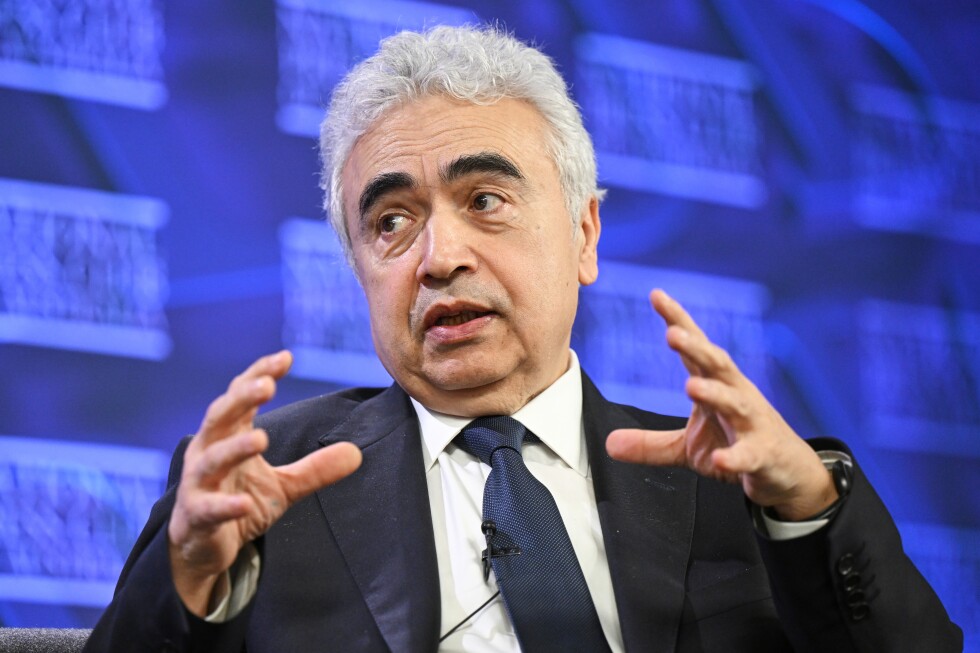
Speaking at Australia’s National Press Club in Canberra, IEA Executive Director Fatih Birol emphasized the far-reaching implications of the crisis, stating, “No country will be immune to the effects of this crisis if it continues to go in this direction.”
Birol noted that the current Middle East crisis has already had a more severe combined impact than the two oil shocks of the 1970s and the disruption to gas markets caused by the Russia-Ukraine war. His assessment comes at a time when energy markets are already under significant strain.
The warning coincided with Israel launching a new wave of attacks against Tehran early Monday. Meanwhile, a top American commander advised Iranians to remain in shelters for the foreseeable future, underscoring the gravity of the situation.
According to Birol, approximately 40 energy assets across nine countries in the region have been “severely or very severely damaged” in the ongoing conflict. The destruction of this critical infrastructure threatens energy supply chains that are vital to the global economy.
As tensions escalate, Iran has renewed strikes on neighboring Gulf states and threatened to target their power plants. This development has raised concerns about broader regional instability and potential disruptions to oil production and transportation.
The situation has been further complicated by Iran’s control over the Strait of Hormuz, a critical maritime chokepoint through which approximately 20% of the world’s oil supply passes. U.S. President Donald Trump has issued an ultimatum, giving Tehran 48 hours to open the strategic waterway to all ships. In a social media post early Sunday (Middle East time), Trump threatened to “obliterate” Iran’s power plants if the demand is not met.
The Strait of Hormuz, which connects the Persian Gulf to the Gulf of Oman and the Arabian Sea, is considered one of the world’s most important oil transit chokepoints. Any disruption to shipping through this narrow waterway could have immediate and significant impacts on global energy prices and supply chains.
In response to the crisis, Birol revealed that the IEA is consulting with governments in Europe and Asia about potentially releasing additional oil from strategic reserves to stabilize markets.
“We will see, we will look at the markets,” Birol said. “If it is necessary of course we will do it, but we will look at the conditions, we will analyze, assess the market and discuss with our member countries.”
The IEA, which coordinates energy policies among 31 member countries, has previously organized coordinated releases from strategic petroleum reserves during major supply disruptions, including during the Libya crisis in 2011 and following Russia’s invasion of Ukraine in 2022.
Energy analysts suggest that prolonged conflict could drive oil prices significantly higher, potentially threatening economic recovery in many regions already grappling with inflation concerns. The uncertainty has already contributed to market volatility, with benchmark crude prices fluctuating widely in recent trading sessions.
The situation remains fluid as diplomatic efforts to de-escalate tensions continue in parallel with military actions. International organizations and world leaders have called for restraint, emphasizing the potential global economic fallout from a protracted conflict in one of the world’s most important energy-producing regions.
As events unfold, markets remain on edge, with investors closely monitoring developments that could impact global energy supplies and economic stability in the coming days and weeks.
Fact Checker
Verify the accuracy of this article using The Disinformation Commission analysis and real-time sources.

7 Comments
It’s unsettling to hear the IEA head say ‘no country will be immune’ to the effects of this crisis. The global interconnectedness of energy and trade means that even nations not directly involved could face significant economic challenges. This underscores the need for diplomatic solutions to de-escalate the situation.
The IEA’s assessment that this crisis has had a more severe combined impact than the 1970s oil shocks and the Russia-Ukraine gas disruption is deeply concerning. Geopolitical tensions in the Middle East have always posed a major threat to global energy security and economic stability. This situation requires immediate attention from policymakers worldwide.
The IEA’s assessment that this crisis could have a more severe impact than the 1970s oil shocks or the Russia-Ukraine gas disruption is quite sobering. As a major energy consumer, the global economy is extremely vulnerable to supply chain upheavals in the Middle East.
You’re right, the threat is multi-faceted. Not only are energy markets at risk, but the broader economic repercussions could be severe if the conflict escalates further. Policymakers will need to tread carefully to mitigate the fallout.
The warning that approximately 40 energy assets have already been severely damaged is a stark reminder of the real-world impact this conflict is having. With energy markets already strained, further disruptions could trigger widespread economic pain. Hopefully, cooler heads will prevail to find a peaceful resolution.
This is a concerning development. The IEA head’s warning about the ‘major, major threat’ the Iran-Israel conflict poses to the global economy is quite alarming. Tensions in the Middle East always have far-reaching implications for energy markets and the broader economic landscape.
I agree, the situation seems very grave. With so many energy assets in the region already impacted, the potential for further disruption is worrying. Geopolitical conflicts can have such destabilizing effects on global trade and the flow of critical resources.