


Listen to the article
On July 8, 1989, a 22-year-old Kurt Cobain greeted a small crowd at Chicago’s Dreamerz club with a simple introduction: “Hello, we’re Nirvana. We’re from Seattle.” As the band launched into their opening song “School,” music enthusiast Aadam Jacobs stood in the audience with a Sony cassette recorder hidden in his pocket, capturing what would become a historic moment in rock music.
This recording of Nirvana, made more than two years before their breakthrough album “Nevermind,” represents just one highlight from Jacobs’ remarkable collection of over 10,000 concert recordings spanning four decades. Today, a dedicated team of volunteers across the United States and Europe is working to preserve this musical treasure trove, methodically cataloging, digitizing, and uploading the recordings to the Internet Archive.
The Aadam Jacobs Collection has become an invaluable resource for music historians and fans, particularly those interested in the evolution of indie and punk rock from the 1980s through the early 2000s. The archive features early performances by alternative music pioneers like R.E.M., The Cure, The Pixies, The Replacements, Depeche Mode, Stereolab, Sonic Youth, and Björk.
The collection’s diversity extends beyond rock, including a 1988 concert by hip-hop pioneers Boogie Down Productions and a previously uncirculated 1990 Phish show that delighted the jam band’s devoted followers. Hundreds of recordings from lesser-known artists are also being preserved, documenting the rich underground music scene that flourished during this period.
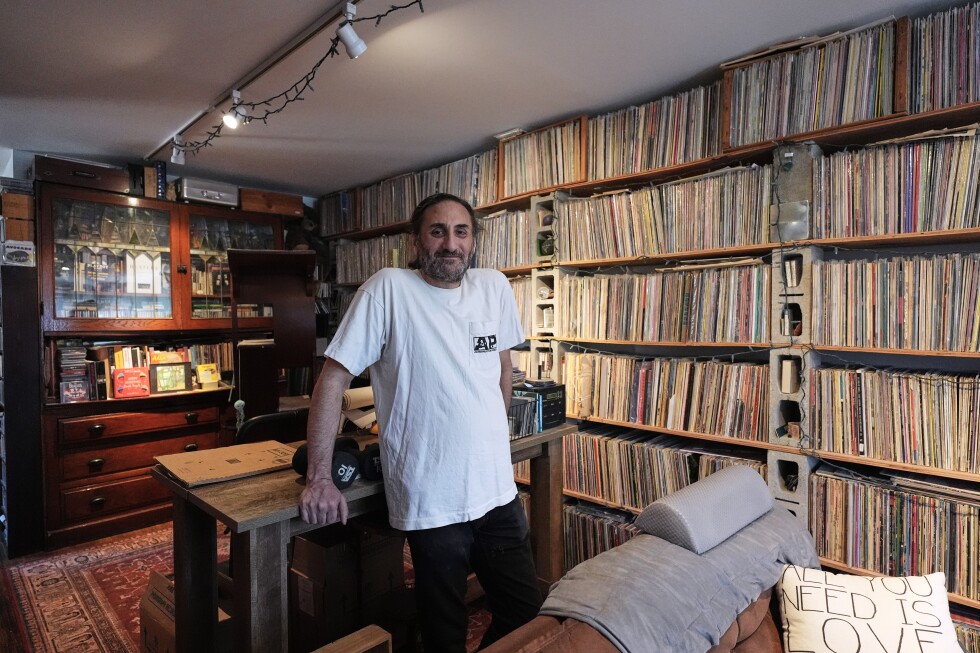
Jacobs, now 59, began his recording journey in 1984, initially taping songs off the radio before a friend suggested bringing a recorder to concerts. “I thought, ‘Wow, that’s cool.’ So I got started,” Jacobs recalled. His first recordings were made with a borrowed Dictaphone-type device from his grandmother, later upgrading to a Sony Walkman-style recorder.
“I was using, at times, pretty lackluster equipment, simply because I had no money to buy anything better,” he explained. As technology evolved, so did his methods, progressing from cassettes to digital audio tape (DAT) and eventually solid-state digital recorders.
Though some club owners initially resisted his recording efforts, Jacobs gradually became a fixture in Chicago’s music scene, with many venues ultimately allowing the “taper guy” in for free. Author Bob Mehr, who profiled Jacobs for the Chicago Reader in 2004, describes him as “one of the city’s cultural institutions.”
“He’s a character. I think you have to be, to do what he does,” Mehr said. “But I think he proved over time that his intentions were really pure.”
The preservation project gained momentum after filmmaker Katlin Schneider released a documentary about Jacobs in 2023, prompting a volunteer from the Internet Archive to reach out. Facing the reality that his aging tapes were deteriorating, Jacobs agreed to have his collection digitized.
The digitization process is painstaking work. Brian Emerick, a key volunteer, makes monthly trips to Jacobs’ Chicago home to collect boxes of tapes – each containing 50 to 100 recordings. Emerick has dedicated an entire room to his operation, featuring multiple vintage cassette and DAT decks that he’s personally repaired.
“So many of the machines I find are broken. They’re trashed. And so I learned how to fix those, get them running again,” said Emerick. “Currently, I have 10 working cassette decks, and I run those all simultaneously.” He estimates he’s digitized at least 5,500 tapes since late 2024, with several more years needed to complete the project.
Once digitized, the recordings are distributed to volunteer audio engineers across the globe who clean up the sound and provide detailed metadata. Brooklyn-based volunteer Neil deMause marvels at the quality Jacobs achieved with limited equipment: “Especially after the first couple years, he’s got it so dialed in that some of these recordings, on, like, crappy little cassette tapes from the early 90s, sound incredible.”
The project has even benefited established artists. The Replacements were so impressed with Jacobs’ recording of their 1986 show that they incorporated parts of it into a live album released as part of a 2023 box set.
Regarding copyright concerns, Jacobs maintains a respectful approach, willing to remove recordings if artists object. However, he notes that only a handful of musicians have requested takedowns. Copyright attorney David Nimmer observes that while anti-bootlegging laws technically give artists ownership of live recordings, the non-profit nature of the archive makes legal challenges unlikely.
Though health issues have prevented Jacobs from attending and recording concerts in recent years, his legacy lives on through this digital archive, preserving a crucial period in music history for future generations. As he reflects on today’s concert documentation landscape, Jacobs simply observes, “Since everybody’s got a cellphone, anybody can record a concert.”
Fact Checker
Verify the accuracy of this article using The Disinformation Commission analysis and real-time sources.

7 Comments
Wow, 10,000 rare concert recordings spanning four decades – that’s an incredible feat of preservation. The Aadam Jacobs Collection must be a treasure trove for anyone interested in the evolution of alternative music. I’d love to know more about the rarest or most significant recordings in the archive, and how the team plans to make them more widely accessible.
What an incredible treasure trove of musical history! The Aadam Jacobs Collection sounds like an invaluable resource for fans and historians to explore the evolution of indie and punk rock. I’d love to learn more about how the team is preserving and cataloging these 10,000 rare concert recordings.
Yes, it’s amazing that these recordings have been so carefully preserved. I imagine the digitization process alone must be a massive undertaking. I wonder if they plan to make the full collection publicly accessible in the future.
This is a really impressive collection that captures a pivotal era in music history. I’m glad to hear the team is working hard to preserve and catalog these 10,000 concert recordings. It will be exciting to see what other rare gems from the indie and punk rock scene emerge as the archive is made more accessible.
Absolutely, the Aadam Jacobs Collection sounds like an invaluable resource for music lovers and scholars alike. I’m curious to learn more about the process of digitizing and cataloging such a vast trove of recordings – it must be a monumental task.
Nirvana’s early performance at Dreamerz club in 1989 must have been an incredible find. Getting an intimate recording of the band before they hit it big is a true gem. I’m curious to learn more about some of the other rare gems in the Aadam Jacobs Collection, like early recordings of The Cure, Depeche Mode, and Björk.
Definitely, those early recordings of influential artists like that must provide such fascinating insights into their musical development. It would be great if the collection could be made more widely accessible to researchers and fans alike.